Lot No. LOT-3430 · offered September 26, 2026
Commodity MarketsLot sheet
China Soybean Purchases and Heat Risk Shape Grain Price Outlook
Traders weigh China's soybean purchase pace against building heat in U.S. growing areas. Either factor could set the next direction for corn and bean prices.
Market notes
- China's soybean buying pace is one of two factors analysts say could set the next direction for grain prices.
- Hot weather over U.S. growing regions is the second key variable traders are watching.
- Condition reports reflect crop status, not harvested results, so weather-driven price moves depend on which growth stage the heat hits.
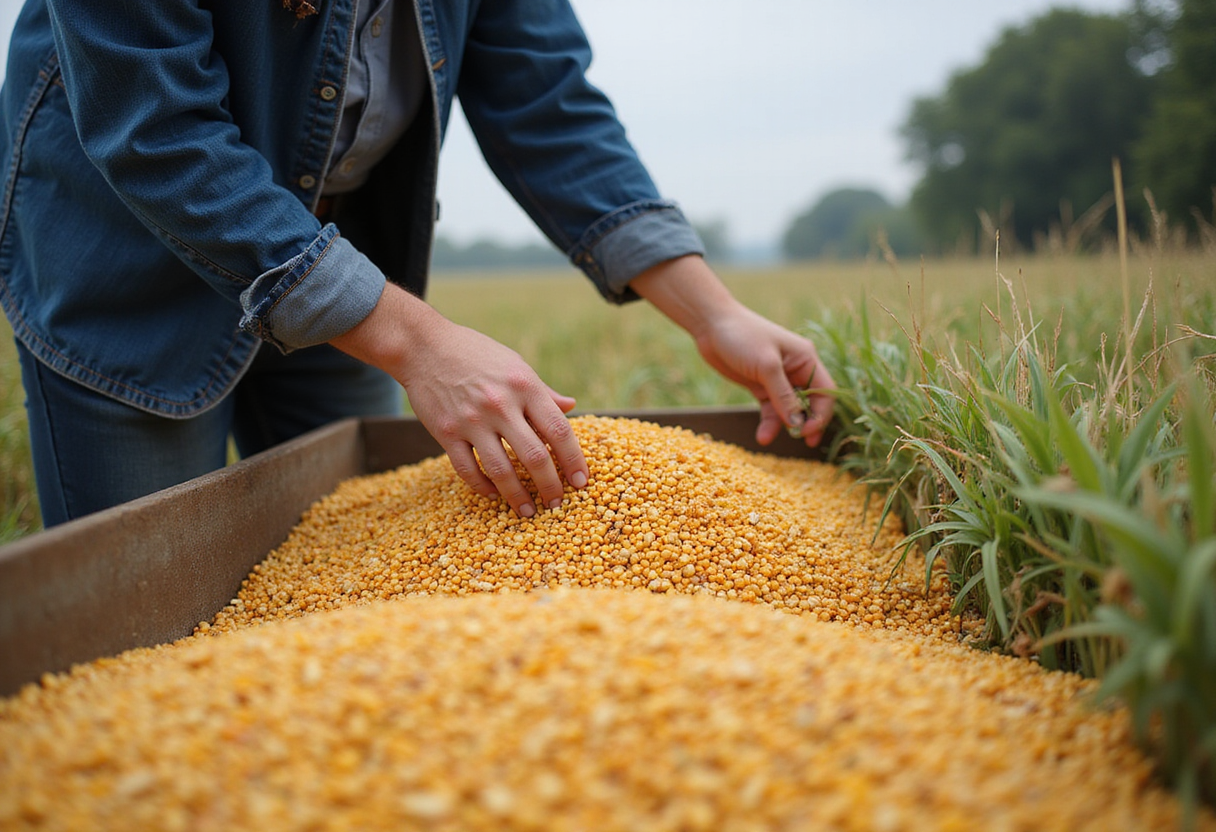
Two forces now sit at the center of the grain market: China's pace of soybean purchases and a hot weather pattern building over key U.S. growing regions. Analysts speaking with RFD-TV say either one could set the next direction for corn and soybean prices.
The stakes are straightforward for growers. Soybean basis at Midwest elevators moves with export demand, and China remains the single largest buyer of U.S. beans. When Beijing's state crushers step into the market, Gulf basis firms and interior basis follows. When Chinese buying pauses, exporters lose their bid and farmer-held inventories sit longer — a carrying-cost drag on margins at a time when input bills for seed, fertilizer and crop protection are already locked in for the season.
The weather side of the equation works on a different clock. Hot temperatures during pod fill and pollination can trim yield potential faster than any weekly export report can lift it. Condition scores released by USDA reflect crop status at a point in time; they are not harvested results. Traders treat them accordingly — as a running indication rather than a final yield number — and the market's reaction to any heat event will depend on which growth stage the crop has reached when the thermometer climbs.
That distinction matters for how farmers read the headlines. A forecast of above-normal temperatures is not yet a production loss. It becomes one only if heat coincides with the crop's most vulnerable weeks, and the September and October reports — not the July and August weather maps — will record what the combines actually harvested.
On the demand side, the reporting has its own limits. USDA export sales data cover a weekly window, and announced Chinese purchases can reflect both genuine demand and positioning around trade policy, U.S.–China negotiating cycles, and Brazilian supply availability. Analysts caution against reading any single week of large sales as a trend, or any quiet week as a cancellation of demand. South American harvest size sets the competitive backdrop; when Brazilian beans are cheap and plentiful, Chinese buyers have leverage to shop between origins, and U.S. basis reflects that competition.
For the 2024 marketing year's remaining position, the practical question for producers is sequencing. If China buys aggressively while heat stress builds in the Corn Belt, the two factors reinforce each other and prices rally. If Chinese buying stalls and rains arrive, the same market can drift lower under the weight of carryout stocks. Most price scenarios analysts describe fall between those poles, which is why merchandisers keep recommending incremental old-crop sales rather than a single exit.
The policy layer adds another variable. Chinese agricultural procurement has long doubled as a lever in broader trade talks, and announcements of U.S. bean purchases have historically clustered around diplomatic milestones. Growers planning cash-flow timing should watch the calendar of trade discussions alongside the export sales reports, since a headline purchase can move basis within hours of its release.
What happens next depends on data still to come: the next round of USDA export sales figures, updated condition ratings, and the temperature forecasts for the weeks when the crop is most exposed. Each release will test whether China's buying and the weather risk are strong enough to lift prices — or whether large supplies keep a lid on the market through harvest.
via Google News: Grain prices (Source)
More from Rebecca Stone
Show full bio
Market editor covering industry trends and analytics at Agribusiness Wire.
135 articles
Also in the yard
- China Steps Up U.S. Soybean Purchases as Ag Trade Rebuilds
- Soybeans Slide to Four-Month Lows as Trade Deal Excludes Crop
- China and Mexico Demand Fuels Optimism for Grain Markets
- Soybean Export Inspections Surge; Corn Runs Ahead of 2024 Pace
- Soybeans Drop Nearly 37 Cents as U.S. Grain Markets Open the Week Lower