Lot No. LOT-6836 · offered September 28, 2026
Commodity MarketsLot sheet
Soybeans Slide to Four-Month Lows as Trade Deal Excludes Crop
Soybean futures hit four-month lows after the U.S.-China trade deal excluded the crop from tariff relief, sending traders searching for any sign of renewed Chinese buying.
Market notes
- Soybean prices dropped to four-month lows after the U.S.-China trade deal excluded the crop from tariff relief.
- Traders are seeking signs of Chinese buying as the key demand indicator following Beijing's tariff cuts.
- Soybeans are the largest U.S. agricultural export to China and were left outside the relief framework.
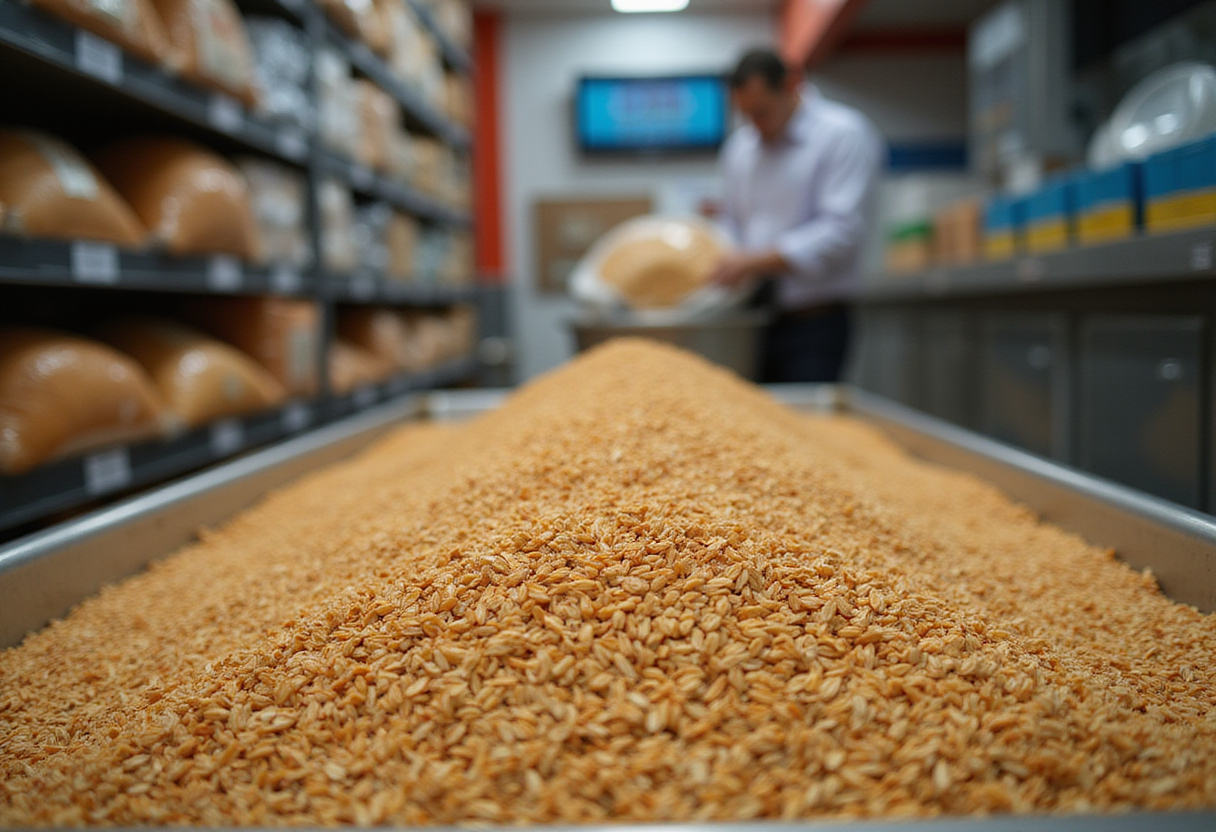
Soybean futures have fallen to four-month lows after the latest U.S.-China trade agreement excluded the oilseed from tariff relief, leaving growers without the demand catalyst that traders had priced into the market.
The decline puts additional pressure on farm margins at a time when input costs for seed, fertilizer and crop protection remain elevated. For producers holding old-crop inventory, the drop narrows the window to sell at profitable levels and deepens the discount likely to weigh on new-crop basis at country elevators across the Midwest.
Traders are now watching for any sign of Chinese purchasing activity as the clearest indicator of whether demand will materialize. Beijing's tariff cuts, announced as part of the broader deal, covered other goods but left soybeans — the single largest U.S. agricultural export to China — outside the relief framework. That omission effectively removes the export-demand leg that supported prices during previous rounds of trade optimism.
The price weakness stands in contrast to the condition of the market rather than the crop: this is a demand-driven selloff, not a reflection of harvest results. Any recovery now hinges on procurement decisions from Chinese importers, which historically buy in large, politically timed batches rather than steady flows. Absent confirmed sales, the market lacks a concrete data point to anchor a rebound.
For the farm economy, the calculus is straightforward. Lower futures prices flow directly into lower cash bids at elevators in states such as Illinois, Iowa and Minnesota. Growers who locked in input purchases earlier in the season at higher price points now face a squeeze between fixed costs and falling revenue per bushel. Those with on-farm storage may hold inventory and pay carrying costs while waiting for a Chinese buying signal that may not arrive on a predictable schedule.
The situation also tests the durability of trade-deal optimism as a price driver. Previous rounds of U.S.-China negotiation produced rallies that faded when actual export sales failed to follow announcements. Traders burned by that pattern are demanding confirmed transactions this time, not statements of intent.
Going forward, market participants will track weekly export sales reports and any customs data out of China for the first evidence of buying. Until those numbers appear, soybeans remain exposed to further downside, and growers face difficult marketing decisions with a four-month low as their reference price.
via Farm Progress (Source)
More from Olivia Hart
Show full bio
News editor covering media and advertising at Agribusiness Wire.
136 articles
Also in the yard
- Soybeans Dive as China Keeps 10% Import Tariff in Place
- Soybeans Rebound on Fund Buying as Corn Drifts Lower
- China Tariff Cuts Leave U.S. Crop Demand in Question
- China Pledges Bigger Domestic Grain Push, Leaves US Soybeans Out of Tariff Relief
- Soybeans Lead Grain Losses as China Tariff Deal Excludes Beans