Lot No. LOT-7718 · offered September 28, 2026
Commodity MarketsLot sheet
Soybeans Drop Nearly 37 Cents as U.S. Grain Markets Open the Week Lower
U.S. grain markets opened the week under pressure, with soybeans falling nearly 37 cents, AgroLatam reports, squeezing producer margins ahead of key pricing decisions.
Market notes
- U.S. soybeans fell nearly 37 cents at the start of the trading week.
- Major grain contracts opened the week under broad pressure alongside soybeans.
- The source report did not specify contract months or the specific catalyst behind the selling.
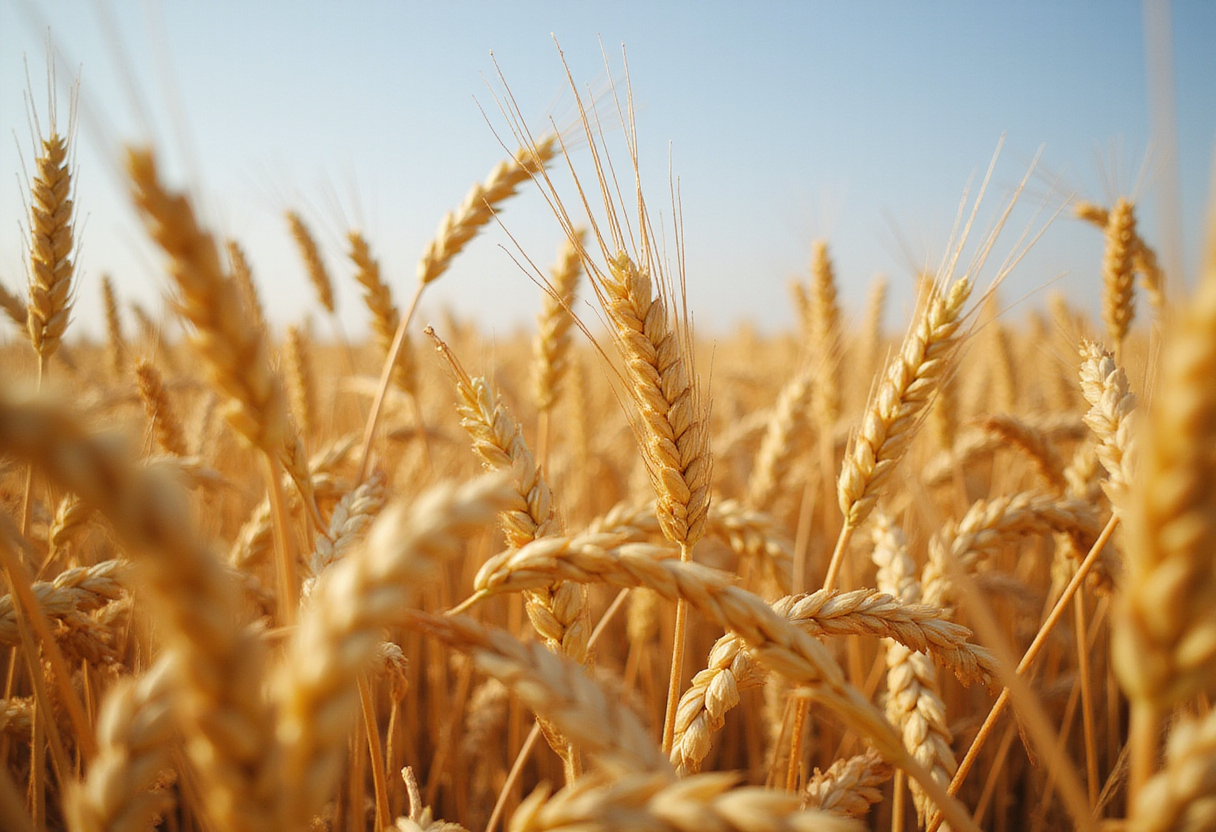
U.S. grain markets opened the week on the defensive, with soybeans tumbling nearly 37 cents, according to a report from AgroLatam. The slide in the soy complex set the tone for the broader grain board, which started trading under sustained pressure across major contracts.
A decline of that size in soybeans is significant for producer economics. For growers holding unpriced bushels, a 37-cent drop translates into roughly $18.50 per 1,000 bushels of lost value at the elevator — a margin squeeze that arrives on top of already elevated costs for fertilizer, crop protection, fuel and financing. For those still marketing old-crop inventory or pricing new-crop commitments, the opening weakness narrows the window for locking in profitable levels and can push hedging decisions into a holding pattern until the market finds support.
The report did not specify the contract months involved or the exact drivers behind the selling. Weekly opening moves of this magnitude typically reflect a combination of factors that traders weigh over the weekend — export demand shifts, weather model changes during the U.S. growing season, macroeconomic pressure from currency and energy markets, and positioning ahead of scheduled government reports. Without confirmation of the specific catalyst, market participants will be watching the remainder of the session for follow-through or a recovery bounce.
For end users — livestock feeders, crushers and ethanol processors — lower grain prices cut input costs and can improve crush and feeding margins, at least on the raw-material side of the ledger. That dynamic often limits how far markets fall before commercial buying steps in. The balance between producer selling reluctance at lower levels and end-user bargain hunting frequently determines whether an early-week slide extends or stabilizes.
The weaker open also arrives at a point in the marketing calendar where positioning matters. Speculative funds have been active participants in grain markets in recent cycles, and their direction — whether adding to short positions or trimming long exposure — tends to amplify opening-week moves. Cash basis levels at country elevators and export terminals will show in the coming sessions how the physical market absorbs the board decline. A strengthening basis alongside falling futures would signal that end users still need bushels; a weakening basis would suggest the selling pressure runs deeper than speculative flows.
Export watchers will also be scanning for fresh sales announcements and shipment data in the days ahead. Soybean demand is structurally tied to global crusher demand for meal and oil, and any shift in overseas buying interest — or in the competitive pricing offered by South American suppliers — feeds directly into U.S. futures. The AgroLatam report, focused on Latin American agribusiness, underscores that the region's producers and exporters remain key reference points for U.S. price discovery.
At the farm level, the practical question is how the early-week weakness behaves through the rest of the trading week. A single-session drop, even one approaching 37 cents, can reverse quickly on a weather forecast or an export headline. A sustained slide, by contrast, forces decisions on storage, basis contracts and forward pricing that shape full-season revenue.
Traders and analysts will look to upcoming sessions, and to any scheduled USDA supply-and-demand and export sales data, to test whether the pressure that marked the week's opening holds or gives way to bargain-driven buying.
via Google News: Grain prices (Source)
More from Grace Kim
Show full bio
Correspondent covering industry trends and analytics at Agribusiness Wire.
159 articles