Lot No. LOT-4929 · offered September 29, 2026
Trade & ExportsLot sheet
China Steps Up U.S. Soybean Purchases as Ag Trade Rebuilds
China has bought more U.S. soybeans as agricultural trade between the two countries picks up, a shift with direct implications for export basis and U.S. farm margins.
Market notes
- China has increased purchases of U.S. soybeans as agricultural trade between the two countries ramps up.
- The reported buying is part of a broader pickup in agricultural trade, not an isolated commodity move.
- Traders will verify the scale of purchases against upcoming USDA export sales and inspections reports.
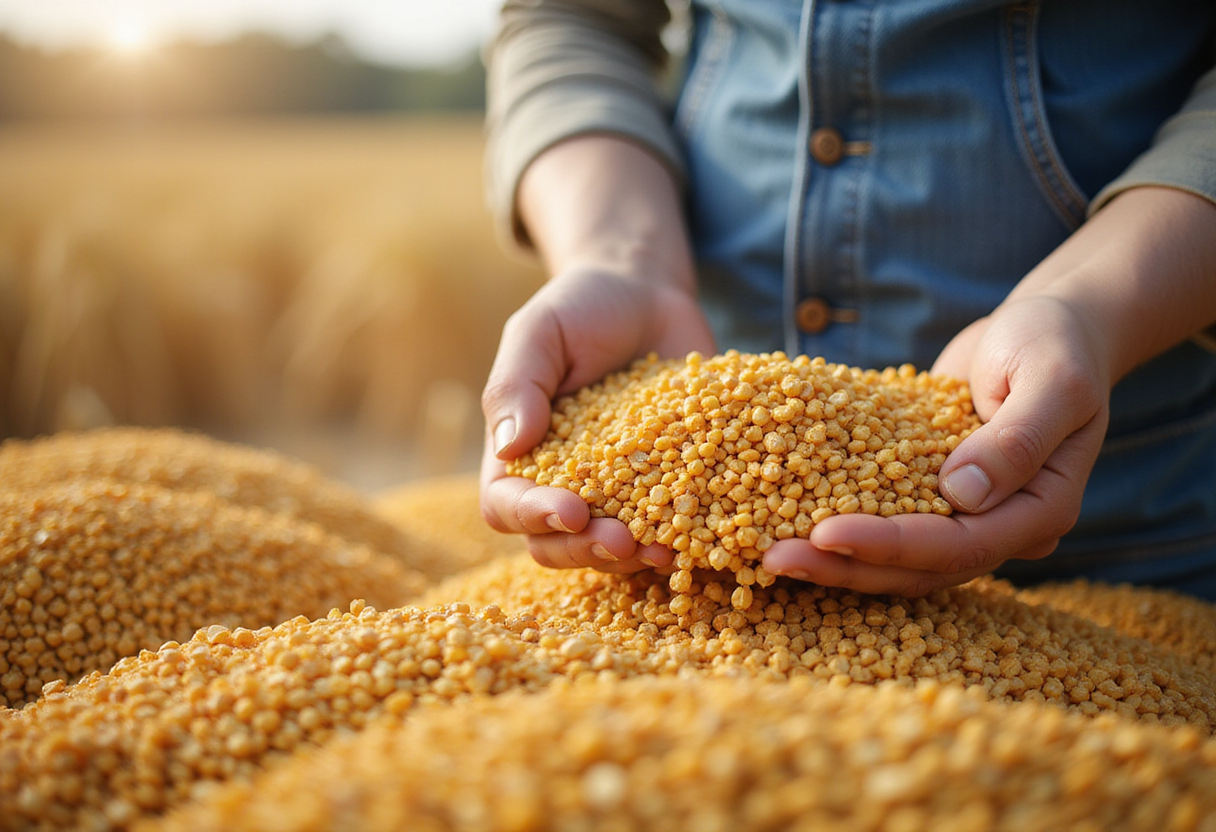
China has increased purchases of U.S. soybeans, according to a report from Transport Topics, signaling that agricultural trade between the two countries is ramping up after an extended stretch in which Chinese importers had largely stepped back from the American market.
The reported resumption of Chinese buying matters directly for U.S. farm margins. Soybeans are the single largest U.S. row crop by value, and export demand — with China historically the top destination — is a key driver of basis levels at Gulf and Pacific Northwest terminals. When Chinese crushers return to the U.S. order book, country elevator basis typically firms, improving the cash price growers receive against futures.
The timing of the purchases will draw close attention from traders and analysts. U.S. soybean export sales are reported weekly by USDA's Foreign Agricultural Service, and any large flash sales to Chinese state and private crushers must be confirmed through that reporting system before the market can separate confirmed transactions from reported intent. Analysts will watch the next several export sales and inspections reports to verify whether the pickup in buying holds across consecutive weeks or reflects a one-time round of procurement.
The report describes the purchases as part of a broader ramp-up in agricultural trade, rather than an isolated commodity move. That framing suggests the activity may extend beyond soybeans into other farm goods traded between the two countries, though the report does not specify additional commodities, volumes, or the buyers involved.
For U.S. growers, the return of Chinese demand comes at a consequential point in the marketing cycle. Prices for soybeans have been pressured in recent seasons by large South American supplies, particularly from Brazil, which has captured a growing share of China's import business. Any sustained shift in Chinese procurement back toward U.S. origin would tighten the competitive equation for U.S. exporters in the months ahead and could lend support to new-crop pricing as growers weigh acreage and marketing decisions.
Input costs remain a central variable in how much of any basis improvement flows through to net farm income. Fertilizer, seed, and crop-protection expenses have stayed elevated, and stronger export demand only translates into margin relief if cash price gains outpace the cost of production. Merchandisers and cooperative grain desks will be watching whether the improved export pace holds long enough to move harvest-time basis, where much of the grower price impact is realized.
Shipping capacity adds another layer. Transport Topics reports on freight and logistics, and the pace of soybean movement to China depends on vessel availability at export elevators, port throughput, and the alignment of purchase timing with the U.S. harvest and export program. Logistical bottlenecks at the Gulf or the Pacific Northwest can delay cargo and mute the price effect of announced sales.
Market participants will look to upcoming USDA export sales data, weekly inspections figures, and any announced daily large-sale notifications to confirm the scale of Chinese buying. If the trend persists through the next reporting windows, it would mark a meaningful shift in the U.S.–China agricultural trade relationship and a potential source of demand strength for the U.S. soybean balance sheet heading into the next marketing year.
via Google News: Agricultural trade (Source)
More from Nathan Brooks
Show full bio
Staff writer covering marketplaces and e-commerce at Agribusiness Wire.
173 articles