Lot No. LOT-8118 · offered September 28, 2026
Trade & ExportsLot sheet
Soybean Export Inspections Surge; Corn Runs Ahead of 2024 Pace
USDA data for the week ending September 24 show soybean export inspections well above a year ago on Chinese demand, with corn shipments to Mexico and South Korea running just ahead of last year's pace.
Market notes
- Corn and soybean export inspections for the week ending September 24 ran ahead of the same week last marketing year.
- Soybean inspections posted a big week, driven primarily by shipments to China.
- Corn inspections came in just above year-ago levels, shipped mainly to Mexico and South Korea.
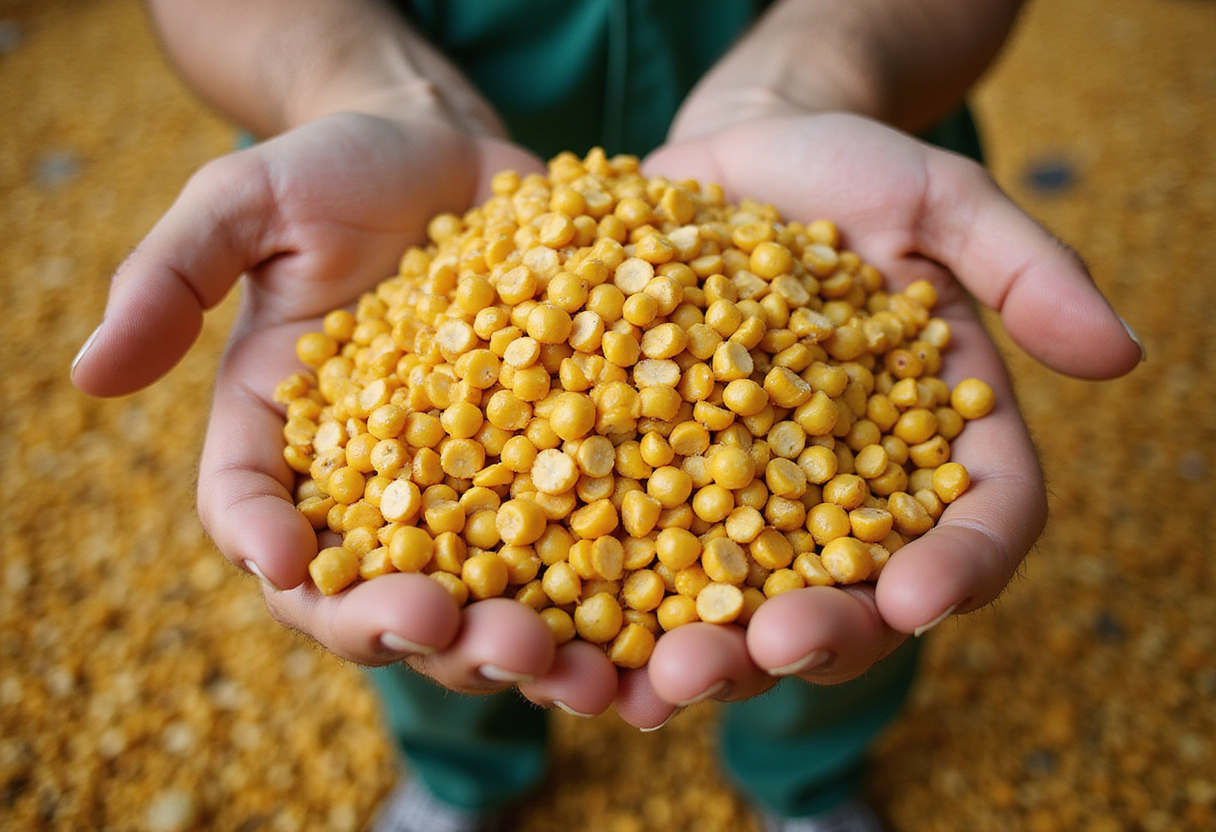
Corn and soybean export inspections continue to run ahead of last marketing year, USDA data for the week ending September 24 show, reflecting solid new-crop demand from key overseas customers in recent months.
The week was especially strong for soybeans. USDA reported inspections well above year-ago levels, with China the dominant destination for U.S. beans as new-crop supplies move through Gulf and Pacific Northwest terminals. For corn, inspections came in just above a year ago, shipped primarily to Mexico and South Korea — two buyers that have anchored U.S. corn demand throughout the marketing year.
The numbers matter for basis. Export inspections are a hard tally of grain actually loaded and inspected for shipment, not a forecast, so they represent confirmed movement rather than booked sales. When inspections run ahead of the prior year's pace, country elevator basis at river and rail positions typically firms as exporters compete for nearby bushels to fill vessel lineups. For growers still harvesting, that competition can widen local basis and support cash bids even as futures prices respond to broader supply pressure.
The pace also reflects the demand side of USDA's balance sheet math. China's return to the U.S. soybean market at scale this season has been the single largest factor pushing bean export commitments above year-ago levels. Mexico and South Korea, meanwhile, have remained consistent corn buyers, and their continued purchases underpin the export line in USDA's corn supply and demand estimates.
One caveat applies to reading any single week. Inspection data are reported weekly by USDA's Federal Grain Inspection Service and can swing with vessel lineups, weather delays at ports and the timing of harvest movement. A big week reflects loading schedules as much as underlying demand. The marketing-year cumulative totals, rather than one week's figure, are the better gauge of whether the export pace can hold — and those cumulative totals for both corn and soybeans remain ahead of last year at this point.
For farmers, the practical question is what the demand pace means for marketing decisions. Strong inspections generally signal that end users and exporters need bushels now, which supports near-term basis. But inspections measure movement against sales already on the books; they do not by themselves guarantee that future purchases will keep pace once South American soybean supplies become available after their harvest early next year.
The next rounds of weekly inspection data, along with USDA's monthly export sales and World Agricultural Supply and Demand Estimates reports, will show whether the early-season pace holds as harvest pressure builds and more bushels reach commercial channels in October.
via Brownfield Ag News (Source)
More from Olivia Hart
Show full bio
News editor covering media and advertising at Agribusiness Wire.
137 articles