Lot No. LOT-4960 · offered November 19, 2026
Commodity MarketsLot sheet
Brazil Coffee Harvest Hits Record 72.5 Million Bags as Stocks Tighten
Brazil's 2026/27 coffee harvest hit a record 72.5 million 60-kg bags, up 15.1%, but USDA FAS cut ending stocks 22.7% to 3.42 million bags as El Niño threatens the 2027/28 crop.
Market notes
- Brazil's 2026/27 coffee harvest estimated at a record 72.5 million 60-kg bags, up 15.1% year over year.
- FAS cut 2026/27 ending-stocks forecast 22.7% to 3.42 million bags despite the bumper crop.
- October exports hit 5.33 million bags, Cecafé's highest monthly volume since records began in 1990.
- NOAA gives a greater-than-79% chance of strong El Niño conditions through January–March 2027.
- Arabica and robusta prices averaged about 29% below year-earlier levels in September.
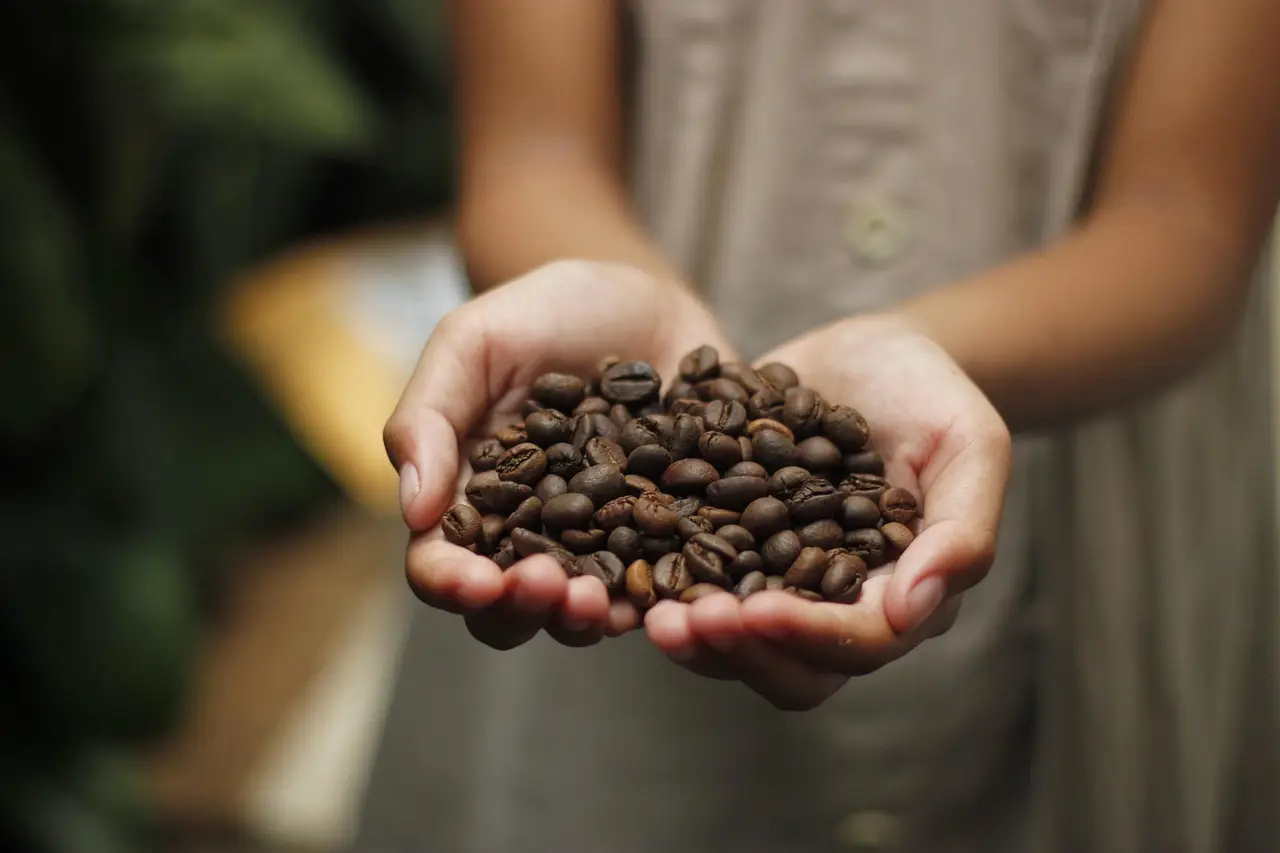
Brazil's completed 2026/27 coffee harvest reached a record 72.5 million 60-kilogram bags, up 15.1% year over year, yet USDA's Foreign Agricultural Service cut its ending-stocks forecast by 22.7% and warned that heavy rains damaged arabica quality in the country's core growing regions.
The semi-annual report from the FAS office in Brasilia raised the crop estimate above the 71.9 million bags projected in June. It held total 2026/27 exports at a record 49.07 million bags, up 25.8%.
How big is the crop, and what hurt it?
Arabica drives the record. FAS lifted arabica output by 1.7 million bags to 49.2 million, a 29.5% jump from 2025/26, citing favorable weather, expanding area and the high-yield year in arabica's biennial cycle.
Late-season rains did damage. Harvesting and drying slowed, cherries fell to the ground, and quality declined in major arabica regions including Minas Gerais, the authors wrote.
Robusta moved the other way. FAS cut the robusta estimate by 1.1 million bags to 23.3 million, down 6.8%, as yields fell in Espírito Santo and Bahia after a strong 2025/26 harvest.
What happened to exports?
The 49.07-million-bag export forecast breaks down into 45 million bags of green coffee, 4 million bags of soluble and roughly 70,000 bags of roasted. FAS also raised estimated 2025/26 exports from 37.87 million to 39.02 million bags, trimming the projected growth rate.
The Brazilian Coffee Exporters Council (Cecafé) reported 5.33 million bags shipped in October — its highest monthly volume since records began in 1990 and a 28.4% increase over October 2025.
U.S. tariffs disrupted the trade in 2025, hurting U.S. roasters and pushing more coffee to China. Exemptions returned in stages, with unflavored instant coffee finally exempted in July 2026. The United States remains Brazil's largest single export market.
Other producing countries bought more Brazilian coffee from January through October 2026: Cecafé data show shipments to Colombia up 83.4% and to Mexico up 47.9%.
Why are stocks tightening?
FAS now projects 2026/27 ending stocks at 3.42 million bags, down from the 4.425 million forecast in June. Producers plan to release coffee gradually, "selling when prices rise and holding back when prices fall," according to the authors.
Prices are not helping. Brazilian arabica and robusta both averaged about 29% below year-earlier levels in September, per University of São Paulo data cited by FAS. High interest rates, fertilizer costs and freight constraints keep squeezing margins.
Domestic consumption should stay nearly flat at 22.39 million bags. Brazil remains the world's second-largest coffee consumer after the U.S.
What threatens the 2027/28 crop?
Good rainfall has supported early flowering for 2027/28, an expected low-yield year in arabica's cycle. Risk sits with the weather ahead. NOAA's Nov. 12 outlook puts the chance of strong-to-very-strong El Niño conditions through January–March 2027 above 79%.
"Flowering intensity and fruit set at this stage will largely determine the production potential of Brazil's MY 2027/28 coffee crop, but water stress combined with high temperatures in the coming months could compromise bean filling, accelerate maturation, and once again reduce both output and quality," the authors wrote.
The report also flags a proposed overhaul of Brazil's official coffee classification rules. The change would introduce new quality categories, including specialty coffee, and replace traditional defect counts with a system measuring the weight of defective beans. The proposal has not been adopted.
Brazilian growers enter 2027 with record volume sold but tighter carryout, falling prices and an El Niño forecast hanging over the next flowering cycle.
via dailycoffeenews.com (Source)
More from Grace Kim
Show full bio
Correspondent covering people, launches and day-to-day practice in Agribusiness coverage for industry professionals at Agribusiness Wire.
548 articles
Also in the yard
- Review challenges robusta climate-resilience claims
- Soybeans Post Worst Month of 2026: What November's USDA Reports Could Do
- Brazil cuts fertilizer imports 30% as prices bite before soybean planting
- USDA Cuts U.S. Corn Crop 141 Million Bushels, Lifts Soybeans
- USDA trims corn to 15.9 billion bushels, lifts soybeans to record