Lot No. LOT-4915 · offered September 29, 2026
Trade & ExportsLot sheet
World Seed Congress Delegates Address Trade Disruptions and Genetics
World Seed Congress delegates flagged trade disruptions and plant genetics as top concerns, with tariff and regulatory friction threatening seed supply chains and grower input costs.
Market notes
- World Seed Congress delegates focused discussions on trade disruptions and genetics.
- Trade friction threatens the multi-border movement of seed and germplasm, a key input cost for growers.
- Congress positions are expected to feed into upcoming agricultural trade talks.
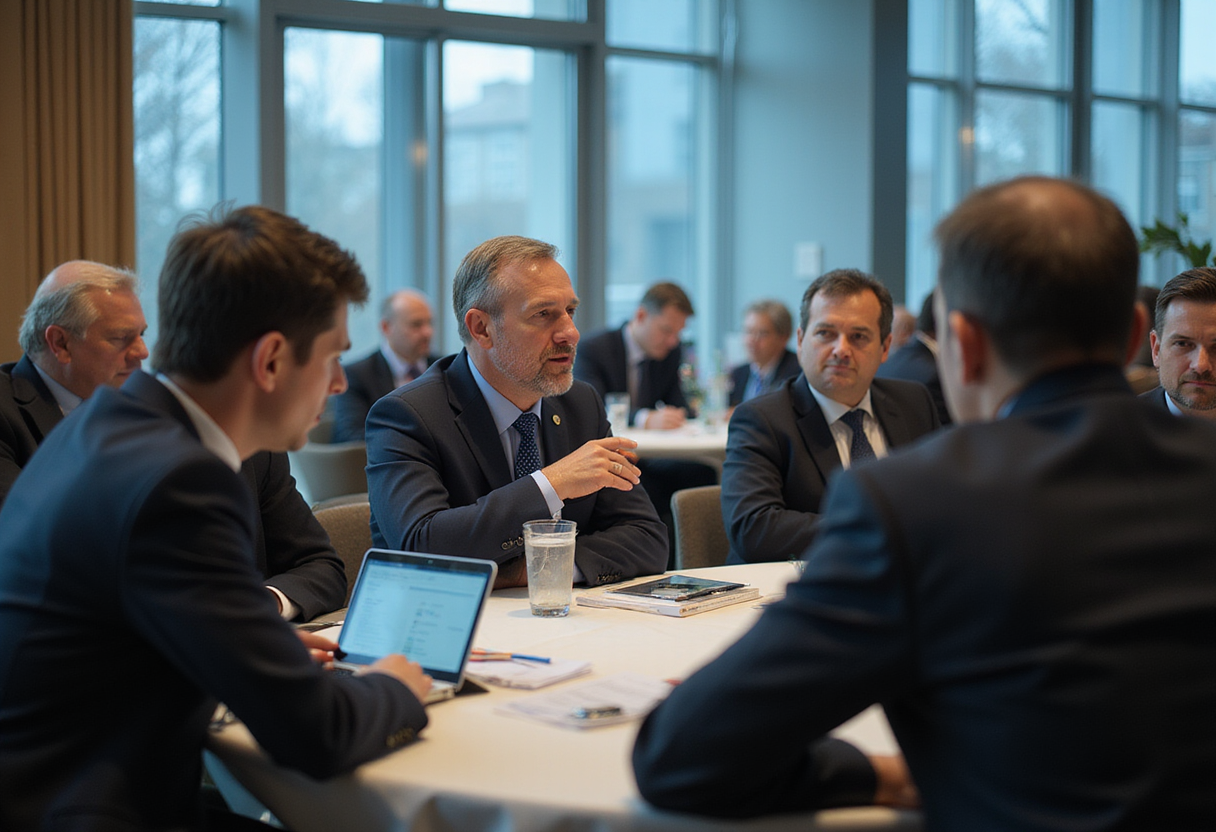
Delegates at the World Seed Congress put trade disruptions and plant genetics at the center of this year's agenda, reflecting pressure on the international movement of seed and germplasm.
The discussions come as the global seed trade — a supply chain built on crossing borders multiple times before a commercial variety reaches growers — faces friction from tariff measures, phytosanitary disputes and diverging regulatory regimes for new breeding techniques.
Trade disruptions carry direct margin implications for farmers. Seed is a leading input cost row-crop producers face each season, and any delay or added cost at the border can push retail seed prices higher, tighten variety availability in specific regions, and limit grower access to genetics tuned to local disease pressure and maturity zones.
Genetics featured as the second major thread. Breeding advances — including traits for yield stability, pest resistance and climate tolerance — depend on predictable international exchange of parental lines and trial material. Delegates' focus on genetics signals concern that restricted germplasm movement could slow the replacement rate of varieties, a key driver behind incremental yield gains recorded across major row-crop and vegetable producing regions.
The Congress setting matters. The event convenes national seed associations, multinational breeders, public research institutions and regional companies in one room, making it a rare venue where regulatory positions and commercial strategies from both exporting and importing countries surface together.
For agribusiness readers, the practical questions coming out of the Congress sessions are concrete: whether tariff and non-tariff barriers will raise seed production costs for the next planting cycle, how regional basis for seed supply may shift if companies relocate multiplication to domestic or third-country locations, and whether regulatory divergence on breeding methods will fragment variety approval across key markets.
Neither condition reports nor forecasts released at the meeting should be read as harvested results. Commercial-scale outcomes for growers — in stand establishment, yield performance and input-cost recovery — will only register once affected seed lots move through a full production season.
Organizers and delegates are expected to carry the Congress positions into upcoming bilateral and multilateral trade talks, where the seed sector will push for smoother movement of genetics alongside the broader agricultural trade agenda.
via Google News: Seed industry (Source)
More from Nathan Brooks
Show full bio
Staff writer covering marketplaces and e-commerce at Agribusiness Wire.
173 articles
Also in the yard
- Global Markets Now Drive Seed Sector Strategy, SeedWorld Reports
- World Seed Congress Draws Seed Sector's Technology Leaders
- Seed Sector Urges India to Bolster Agrobiodiversity as Global Supply Shocks Bite
- Vegetable Seed Firms Face Pressure To Accelerate Product Cycles
- Seed Industry Presses U.S. to Drop Tariffs on Research Seed