Lot No. LOT-3748 · offered September 29, 2026
Seeds, Crop Protection & FertilizerLot sheet
Seed Sector Urges India to Bolster Agrobiodiversity as Global Supply Shocks Bite
India's seed industry wants agrobiodiversity treated as a supply-chain tool, arguing wider genetic resources can shield growers from seed shortages and input-cost spikes.
Market notes
- India's seed industry is calling for strengthened agrobiodiversity in response to global supply shocks.
- The industry argues a wider genetic base would protect growers from seed shortages and input-price spikes.
- The appeal links germplasm conservation and breeding capacity directly to India's input-supply and food security.
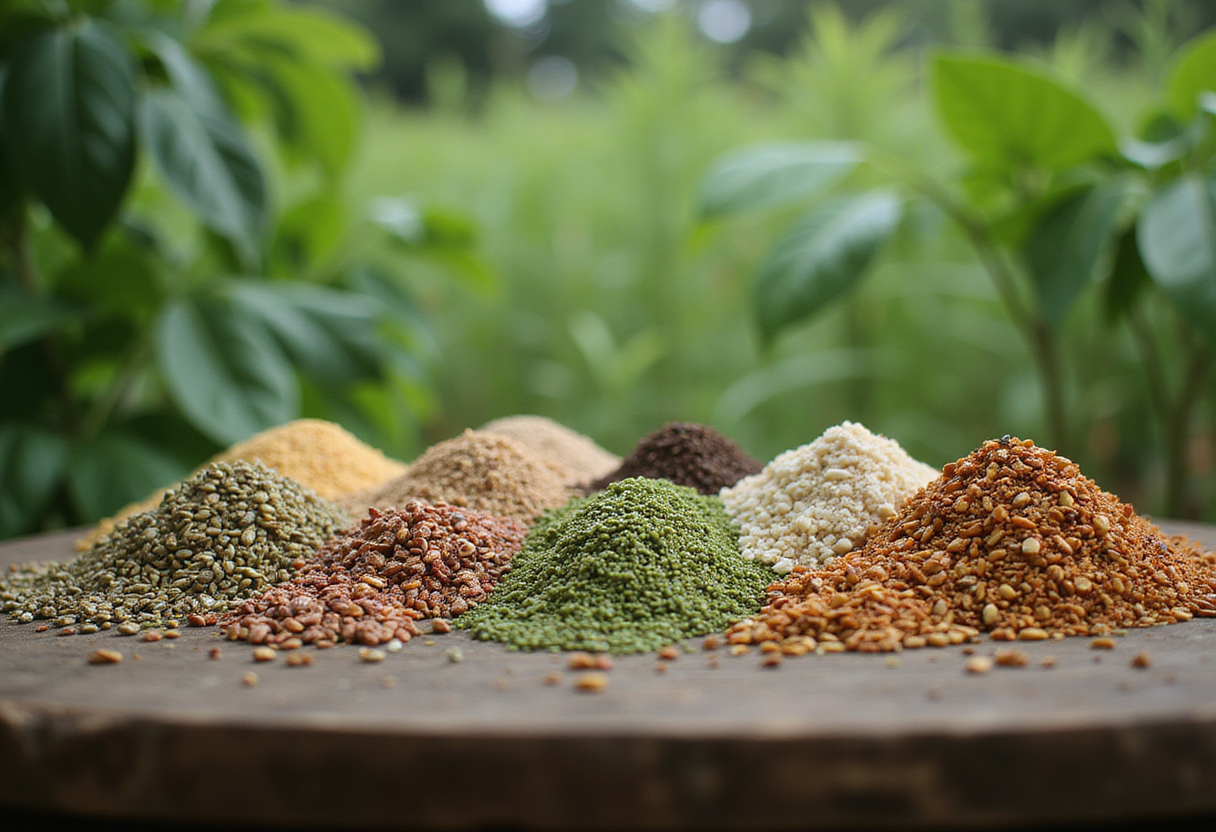
India's seed industry is calling for a deliberate strengthening of the country's agrobiodiversity, arguing that a wider genetic base in major crops is now a supply-chain necessity rather than a scientific nicety. The appeal, reported by ChiniMandi, lands as successive global supply shocks have exposed how concentrated the world's seed and planting-material trade has become.
The core argument from industry voices is straightforward. When breeding lines, hybrid parent material, and commercial seed supplies depend on a narrow set of sources — often a handful of multinational programmes or a few exporting countries — any disruption travels fast. War, export restrictions, logistics bottlenecks, and pest outbreaks in supplier nations can all tighten availability and raise prices for Indian growers before a single acre is planted.
For Indian farmers, the stakes show up directly in input costs. Seed is typically one of the first and largest cash outlays of the season. If scarcity in a given hybrid class pushes seed prices higher, that increase hits margins before yield outcomes are even known. A stronger domestic agrobiodiversity base — more locally adapted varieties, more publicly and privately bred lines, and broader germplasm conservation — would give growers substitute options when a preferred commercial variety runs short or spikes in price.
The industry's framing also carries a policy dimension. India already operates one of the world's largest public genebanks and a formal registry of plant varieties, and the call now is to translate that stored diversity into usable breeding material at commercial speed. That means closer linkage between genebank accessions, breeding programmes, and the private seed companies that deliver planting material to the farm gate.
There is a food-security edge to the argument as well. Global supply shocks in recent years — from pandemic-era logistics disruptions to subsequent trade restrictions in key agricultural commodities — have shown how quickly import dependence in critical inputs can become a constraint. Seed and planting material sit at the front of that chain. A country that controls more of its own genetic resources and multiplication capacity is less exposed to external decisions about what gets exported, when, and at what price.
The industry position, as relayed by ChiniMandi, treats agrobiodiversity not as a conservation sidebar but as an input-supply instrument. The practical measures implied by such calls typically include expanded germplasm evaluation, faster varietal release cycles, incentives for regional breeding, and tighter coordination between public research institutions and private seed producers — levers that sit with both the Ministry of Agriculture and the state-level seed corporations.
How the government responds will determine whether this stays an industry appeal or becomes a programme with acreage and budget behind it. The seed sector's message is that the next global disruption is a question of when, not whether — and that India's planting decisions should not wait for it to arrive.
via Google News: Seed industry (Source)
More from Olivia Hart
Show full bio
News editor covering media and advertising at Agribusiness Wire.
137 articles
Also in the yard
- Seed Sector Urges India to Bolster Agrobiodiversity as Supply Shocks Bite
- India's Private Seed Sector Presses for Research Recognition in New Seed Bill
- World Seed Congress Delegates Address Trade Disruptions and Genetics
- Global Markets Now Drive Seed Sector Strategy, SeedWorld Reports
- India's Seed Industry Aims for 10% of Global Trade by 2035