Lot No. LOT-5597 · offered September 29, 2026
Trade & ExportsLot sheet
Canadian Tariffs Strike U.S. Farm Equipment Sector
Canada's new tariffs strike the U.S. farm equipment industry, raising machinery and parts costs for manufacturers, dealers and growers already facing tight margins.
Market notes
- Canada has imposed tariffs affecting the U.S. farm equipment industry
- Tariffs raise costs for U.S. machinery makers, dealers and farm buyers
- Higher equipment prices add pressure to farm margins alongside elevated input costs
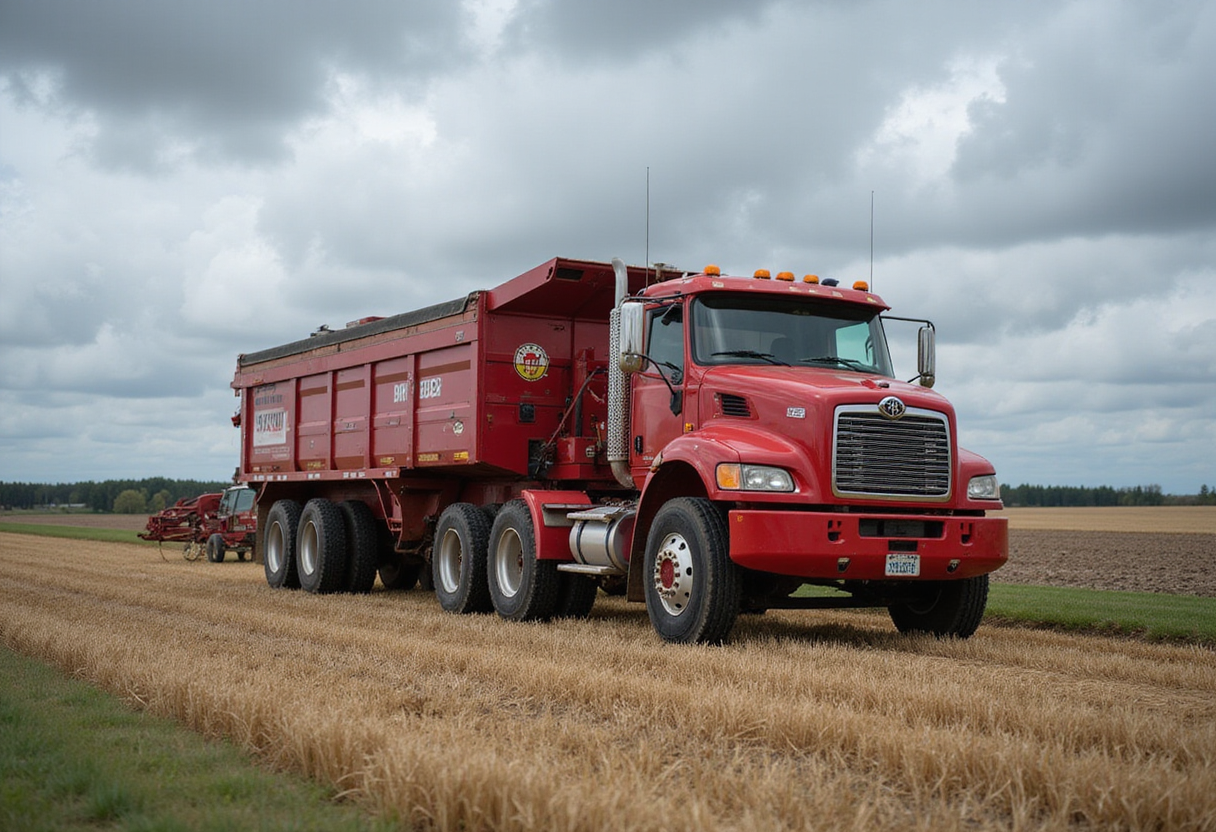
Canada has imposed tariffs that directly affect the U.S. farm equipment industry, escalating the trade dispute between the two countries and adding new cost pressure on machinery manufacturers and the farmers who buy their products.
The measures land on a sector already squeezed by elevated input costs. Tractors, combines, planters and replacement parts cross the U.S.-Canada border constantly — a function of decades of integrated supply chains in North American agricultural manufacturing. Tariffs applied at the border raise the landed cost of affected goods, and equipment makers typically pass a share of those costs to dealers and, ultimately, to farm customers.
For growers, the timing matters. Machinery purchases represent one of the largest capital outlays on any row-crop or livestock operation, and financing decisions for the 2025 season are already underway. Higher equipment prices compress farm margins at a point when producers are also absorbing elevated costs for fertilizer, crop protection chemicals and repairs. Any increase in the price of a new tractor or combine — or in the cost of imported components used in repairs — flows directly into per-acre production costs and complicates the breakeven math for corn, soybean and wheat operations.
The farm equipment industry is a significant component of U.S. manufacturing employment, with major production concentrated in the Midwest. Manufacturers in that corridor depend on Canadian markets for exports and on Canadian suppliers for components. Tariffs work in both directions: they raise the price of U.S.-built machinery sold in Canada, which can erode export volumes, and they raise the cost of Canadian-made inputs used in American assembly plants.
Trade retaliation of this kind has precedent in North American agriculture. When Canada and the United States have clashed on trade before, agricultural goods and equipment have repeatedly appeared on target lists, in part because the sectors are politically visible and economically significant in both countries. Each round of measures has tended to prompt responses from farm groups and equipment associations, who argue that manufacturers and growers bear costs that neither government intended to target.
Industry observers note that the practical effect of the tariffs will depend on their scope, the specific equipment and components covered, and how long the measures remain in place. Short-duration tariffs create pricing noise; sustained ones force companies to rework supply chains, relocate production or absorb margin losses — decisions that carry long-term consequences for manufacturing footprints in rural communities.
For now, machinery dealers and farm buyers face renewed uncertainty on pricing. Producers planning equipment purchases will need to weigh whether to accelerate orders ahead of any further cost increases or defer capital spending until the trade picture clarifies. Equipment manufacturers, for their part, will be watching for any negotiation between Washington and Ottawa that could walk the tariffs back — and adjusting pricing, sourcing and market strategy in the meantime.
via Google News: Farm equipment (Source)
More from Nathan Brooks
Show full bio
Staff writer covering marketplaces and e-commerce at Agribusiness Wire.
173 articles
Also in the yard
- Global Surge in Used Farm Equipment Reshapes U.S. Grower Buying
- US-Canada Trade Relief Could Lift Farm Machinery Demand
- Tariff Cuts Bring Only Limited Relief to Farm Equipment Sector
- China and US Move Toward Farm Tariff Cuts in Major Win for Agricultural Trade
- U.S. Farm Exports Climb 7% in 2026 Despite Trade Friction