Lot No. LOT-1969 · offered October 9, 2026
Seeds, Crop Protection & FertilizerLot sheet
Seed companies absorb tariff pressure as input costs climb
A Brownfield Ag News headline flags tariff pressure on the seed industry, though underlying company figures and tariff specifics have not yet been disclosed, leaving growers to watch quarterly trait-fee data and retail price announcements.
Market notes
- Brownfield Ag News published the headline 'Seed industry feeling pressure from tariffs'
- The published report does not disclose specific tariff actions, companies or magnitude figures
- Hybrid corn seed production relies on winter nurseries in Chile, Argentina and Mexico before reaching U.S. growers
- Seed typically represents a meaningful share of variable corn production costs in extension budgets
- USDA Foreign Agricultural Service tracks parent-seed import data on a monthly reporting cycle
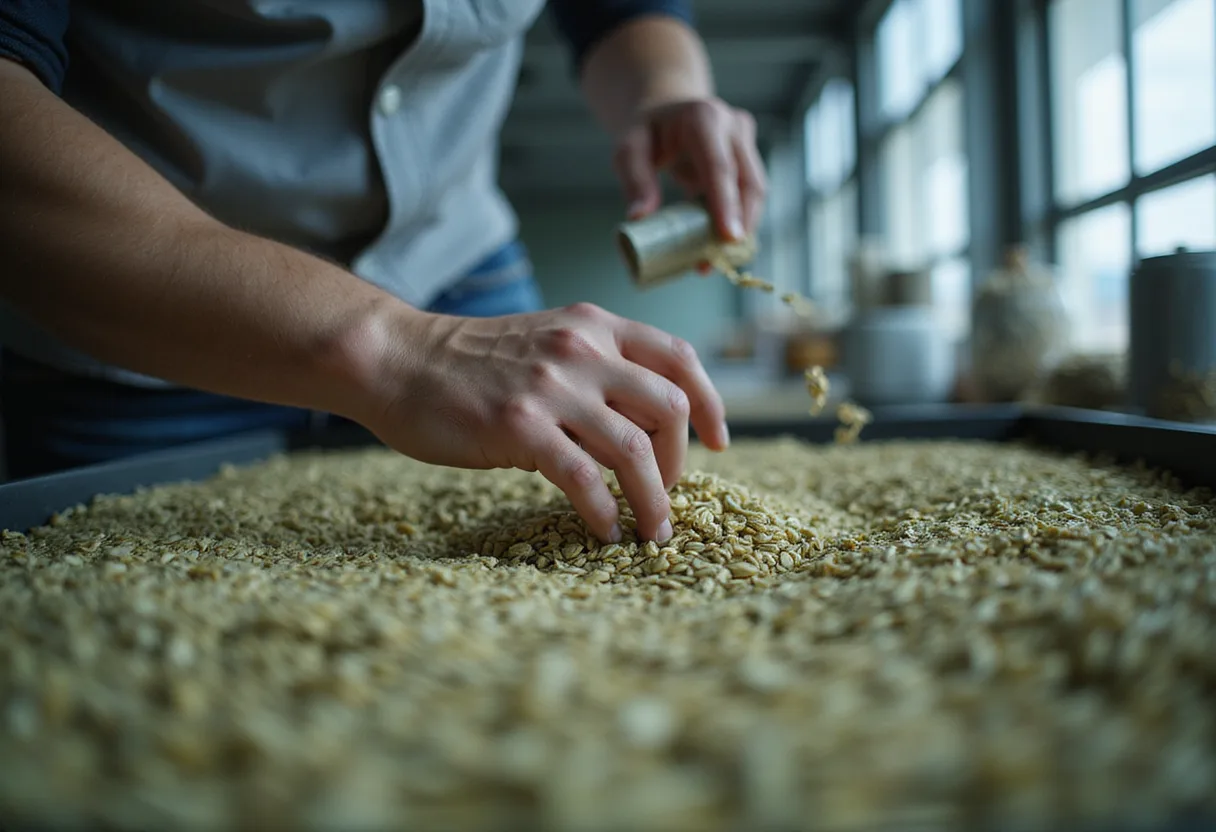
A Brownfield Ag News headline — "Seed industry feeling pressure from tariffs" — captures a tightening squeeze on seed suppliers and the growers who depend on them, though the full underlying figures have not yet been disclosed in the published report.
The seed sector sits at an unusual intersection of global trade. Hybrid corn seed production, for example, runs through winter nurseries in Chile, Argentina and Mexico before reaching U.S. planters. Soybean seed moves across the Americas under trait-licensing arrangements that route royalties through multinational breeders. Any tariff action — whether retaliatory duties on U.S. agricultural exports or new levies on imported inputs — enters the genetics pipeline well before it shows up at a retail counter.
Why seed is tariff-exposed
Three channels carry the exposure:
- Production geography. Parent seed frequently grows outside U.S. borders, so duties on cross-border seed trade shift landed costs before retail pricing is set.
- Trait licensing. Royalty structures tied to germplasm developed abroad translate trade friction into per-unit fees paid by farmers.
- Input-stack linkages. Seed sits alongside fertilizer, chemistry and equipment in the cost-of-production ledger, so a tariff-driven move in any of those categories reshapes seed-market bargaining.
What the headline does not yet show
Brownfield's report does not name which tariff actions are at issue, which companies are reporting pressure, or what the magnitude looks like. Without those details, growers evaluating seed purchases for the next planting season cannot directly quantify the impact on per-bag pricing or trait-fee schedules.
That gap matters. Seed typically runs a meaningful share of variable corn production costs in extension budgets, and even a single-digit percentage shift in delivered seed pricing changes per-acre margin calculations, especially against current corn and soybean futures. Cooperatives and regional dealers will be the first to translate any upstream pressure into grower-facing terms.
What to watch next
Three near-term markers will tell farmers whether the Brownfield-reported pressure is a short-lived headline or a structural shift:
- Trait-fee disclosures in seed company quarterly filings, particularly from the major genetics providers that anchor the U.S. corn and soybean market.
- Parent-seed import data from USDA's Foreign Agricultural Service, which tracks cross-border seed flows on a regular reporting cycle.
- Retail seed price announcements from regional cooperatives and dealers as planting decisions lock in over the winter contracting window.
Until those data points firm up, the headline functions as an early warning rather than a confirmed cost shock. Growers who priced seed early this fall may have already locked in baseline costs; those still negotiating should expect seed representatives to flag trade-policy terms in contract language that did not appear in prior seasons.
The deeper question is whether tariff pressure becomes a one-quarter margin event for seed companies — passed through to growers via list-price increases — or whether it embeds itself in trait-licensing structures for multiple seasons. Brownfield's reporting will need to surface the underlying figures before that question can be answered with anything firmer than a forecast, and growers will need that detail before final seed commitments close.
via Google News: Seed industry (Source)
More from Grace Kim
Show full bio
Correspondent covering people, launches and day-to-day practice in Agribusiness coverage for industry professionals at Agribusiness Wire.
453 articles
Also in the yard
- Seed Industry Presses U.S. to Drop Tariffs on Research Seed
- Global Seed Decisions Reach U.S. Farm Gates, SeedWorld Editorial Argues
- World Seed Congress Delegates Address Trade Disruptions and Genetics
- Seed Industry Pins Outlook on Farm Bill and Trade Policy
- Seed Industry Consolidation Continues, DTN Progressive Farmer Reports