Lot No. LOT-7098 · offered September 29, 2026
Trade & ExportsLot sheet
Seed Industry Presses U.S. to Drop Tariffs on Research Seed
U.S. seed companies are asking the administration to drop tariffs on research seed, arguing duties on experimental breeding lots tax R&D pipelines rather than protect domestic sales.
Market notes
- The U.S. seed industry is pressing the government to lift tariffs on research seed, SeedWorld reports.
- The industry argues duties on small experimental seed lots raise breeding costs rather than protect domestic commercial seed sales.
- No agency names, tariff lines, or import values were specified in the report.
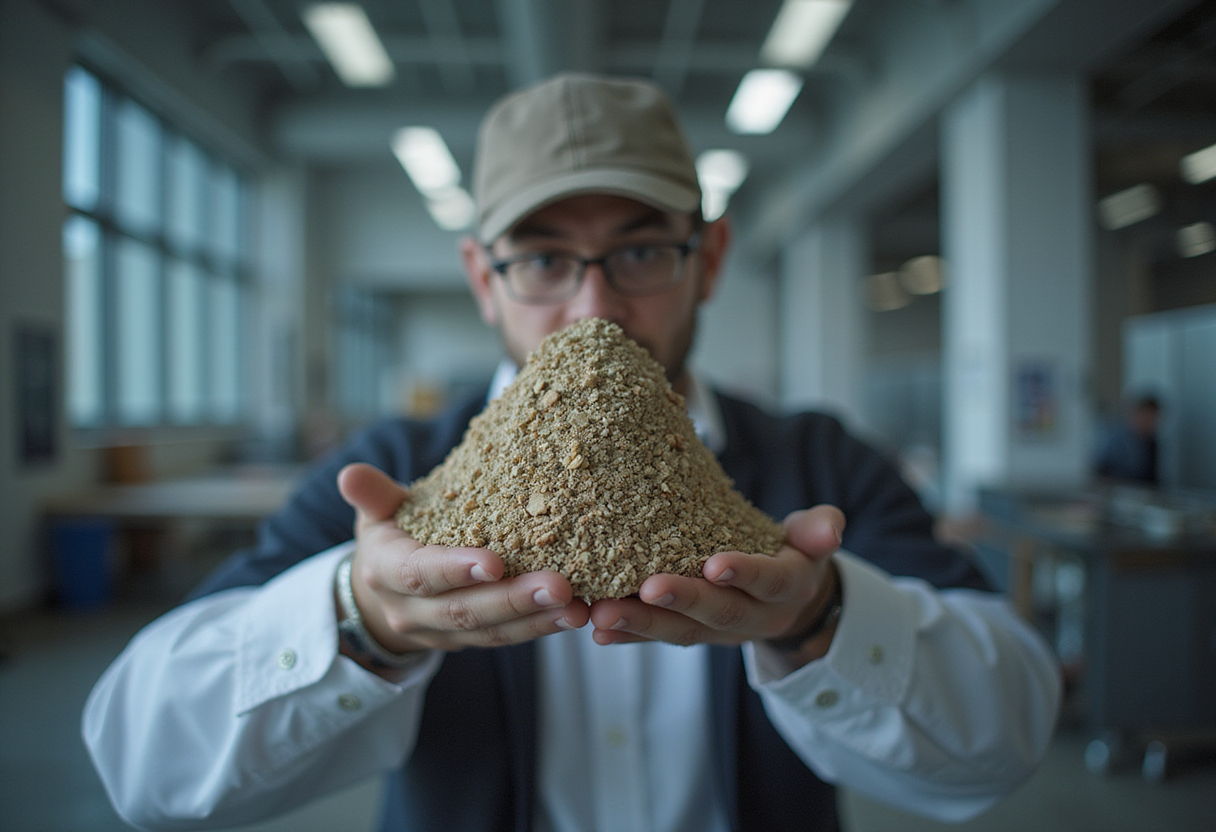
U.S. seed companies are pressing the federal government to remove tariffs on research seed, SeedWorld reports, arguing that duties on breeding material raise costs across a supply chain that depends on moving small experimental lots across borders.
The push targets a narrow but consequential slice of seed trade. Research seed — the small-volume shipments breeders use to trial genetics in multiple environments — moves constantly between the United States and partner countries. Tariffs applied to those shipments function as a tax on variety development rather than on commercial grain or planted-seed sales.
For plant breeders, the cost mechanics are direct. A tariff levied on an experimental seed lot raises the price of every field trial that uses it. Because breeding programs evaluate thousands of lines per cycle across dozens of locations, even modest per-unit duty costs compound quickly. Companies then face a choice: absorb the cost and narrow trial footprints, or pass it downstream.
The sector's argument, as reported by SeedWorld, is that research seed is not competing with domestic commercial product. It is an input into R&D pipelines whose output — finished varieties — reaches farmers years later. Taxing the input, the industry contends, slows the pipeline without protecting any identifiable domestic sale.
The timing matters for growers. Varieties in trials today reach farm fields on a multi-year lag. A tariff regime that shrinks the number of lines a company can afford to test in U.S. conditions narrows the genetic base from which future yield gains, disease resistance traits, and input-efficiency improvements are drawn.
SeedWorld's report frames the industry appeal as a request for carve-out or exemption language rather than a broad reversal of trade policy. That distinction is significant: agribusiness groups have generally accepted tariffs on finished goods and commodity flows while contesting duties that land on research inputs, germplasm exchanges, and breeding material.
For the cooperatives and independent seed businesses that license genetics from larger developers, the tariff question also touches basis and pricing. Development costs built into future variety royalties eventually surface in seed invoices. If duties raise R&D overhead, licensees and their farmer customers shoulder part of the bill at planting time.
The reporting does not specify which agencies the industry has approached, the tariff lines at issue, or the dollar value of affected research seed imports. Those gaps matter. Assessing the actual margin impact requires customs data on the tariff categories covering experimental seed and the volumes moving through them in a given reporting window — figures SeedWorld's account does not supply.
What the report does establish is the direction of the ask: the U.S. seed industry wants research seed exempted from tariffs, and it is making that case to the administration as trade measures continue to reshape agricultural input flows.
Watch for follow-up on whether any exemption request advances through formal tariff-modification channels, and whether breeding companies adjust trial programs — in scale or geography — while the duties remain in place.
via Google News: Seed industry (Source)
More from Marcus Bennett
Show full bio
Senior reporter covering marketplaces and e-commerce at Agribusiness Wire.
127 articles
Also in the yard
- U.S. Seed Costs Run Well Above Industry Claims, Analysis Finds
- Seed Industry Innovation Target: Farmers Offer Their Verdict
- India's Private Seed Sector Presses for Research Recognition in New Seed Bill
- Global Markets Now Drive Seed Sector Strategy, SeedWorld Reports
- World Seed Congress Draws Seed Sector's Technology Leaders