Lot No. LOT-2453 · offered September 26, 2026
Commodity MarketsLot sheet
War, Oil and El Niño Are Driving Grain Prices Higher
War, oil and El Niño are jointly lifting grain prices, hitting supply routes, input costs and crop weather. Markets price the risk before harvest data confirm it.
Market notes
- Grain prices are rising under the combined pressure of war, oil prices, and the El Niño climate pattern.
- Higher oil raises farm fuel and freight costs while diverting corn and vegetable oil into biofuel production.
- Current price moves reflect pre-harvest expectations; upcoming harvest results will test how much of the surge is justified.
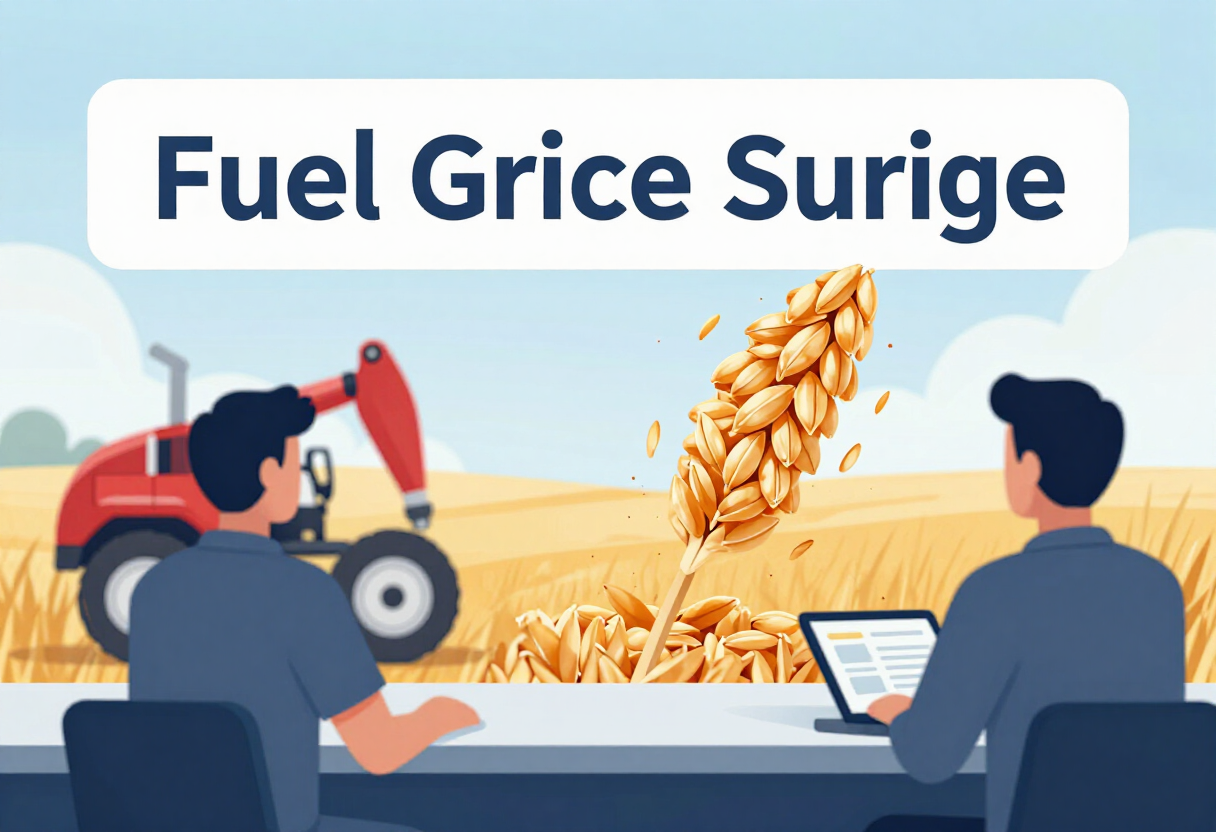
Grain prices are climbing, and three forces are doing the pushing: war, oil, and El Niño. Each one attacks the grain economy from a different angle — supply routes, production costs, and crop weather — and together they are tightening margins for buyers, processors, and livestock feeders around the world.
The military conflict at the center of the story is the familiar one. War disrupts the two things grain trade cannot function without: shipping lanes and planting schedules. When Black Sea corridors come under threat, export flows from major suppliers slow down, and import-dependent countries bid aggressively for whatever cargoes remain available. That bidding war lifts benchmark prices well before a single affected bushel is harvested.
Oil plays its part through two channels. First, higher crude prices raise the cost of everything that moves on a farm — diesel for tractors and combines, fuel for freight and ocean shipping, and energy for drying and processing. Freight and fuel are among the largest non-land cost lines in grain production, so every dollar added to crude compresses farm margins even when output prices rise alongside. Second, expensive oil makes ethanol and biodiesel more attractive as substitutes, pulling corn and vegetable oil into fuel markets and away from food and feed channels. Grain that would have gone to feedlots or flour mills gets diverted to refineries, and the remaining supply commands a premium.
El Niño supplies the weather leg of the tripod. The climate pattern shifts rainfall and temperature across the world's main growing regions in ways agronomists can anticipate but farmers cannot prevent. Drought stress in some exporters, excessive moisture in others, and erratic monsoon behavior in Asia all cut against stable yields. Because grain demand is relatively inflexible — people and livestock must eat regardless of price — even a modest expected shortfall in production translates into a disproportionate move in price.
The sequence matters for how readers should interpret the numbers. What markets are pricing now is expectation, not result. Condition reports and weather forecasts are feeding price discovery before the harvest data exist to confirm or refute them. Traders are effectively paying today for a risk premium against crops that have not yet been gathered, weighed, and graded. If harvest results come in better than the El Niño fears suggest, some of that premium unwinds; if the weather damage confirms the forecasts, prices have further to run.
For grain producers outside the affected zones, the surge is a rare chance to sell into strength — provided their own input costs, especially fuel and fertilizer, do not erase the gain. Fertilizer prices track natural gas and energy markets closely, so the same oil pressure lifting grain receipts is also lifting the bill for nitrogen applied to next season's fields. Producers who locked in input prices earlier are better positioned than those buying at spot.
For importers, feeders, and flour millers, the calculus runs the other way: every week of elevated prices raises procurement costs and squeezes downstream margins, and hedging becomes both more urgent and more expensive as volatility rises.
The reported combination of war, oil, and El Niño suggests the pressure on grain prices will persist at least through the current growing and shipping cycle, with the next round of harvest data the key test of how much of the surge reflects real supply loss rather than fear.
via Google News: Grain prices (Source)
More from Nathan Brooks
Show full bio
Staff writer covering marketplaces and e-commerce at Agribusiness Wire.
173 articles
Also in the yard
- Black Sea Attack Surge Puts Grain Shipping Costs Back in Focus
- Railroads Raise Grain Shipping Rates, and Farmers May Pay
- Global Supply Concerns Build Case for Bullish 2027 Grain Markets
- Black Sea Escalation Pushes Global Grain Prices Higher
- Diesel and Fertilizer Costs Climb, Squeezing Jay Farmers' Margins