Lot No. LOT-9143 · offered September 28, 2026
Commodity MarketsLot sheet
Railroads Raise Grain Shipping Rates, and Farmers May Pay
U.S. railroads are raising grain shipping rates, and the cost is likely to reach farmers through wider basis and weaker cash bids, squeezing already thin margins.
Market notes
- U.S. railroads are charging more to ship grain, with the cost likely passed to farmers
- Higher freight rates typically translate into wider basis and weaker cash bids at country elevators
- Rail-dependent regions with limited carrier competition face the greatest risk of basis widening
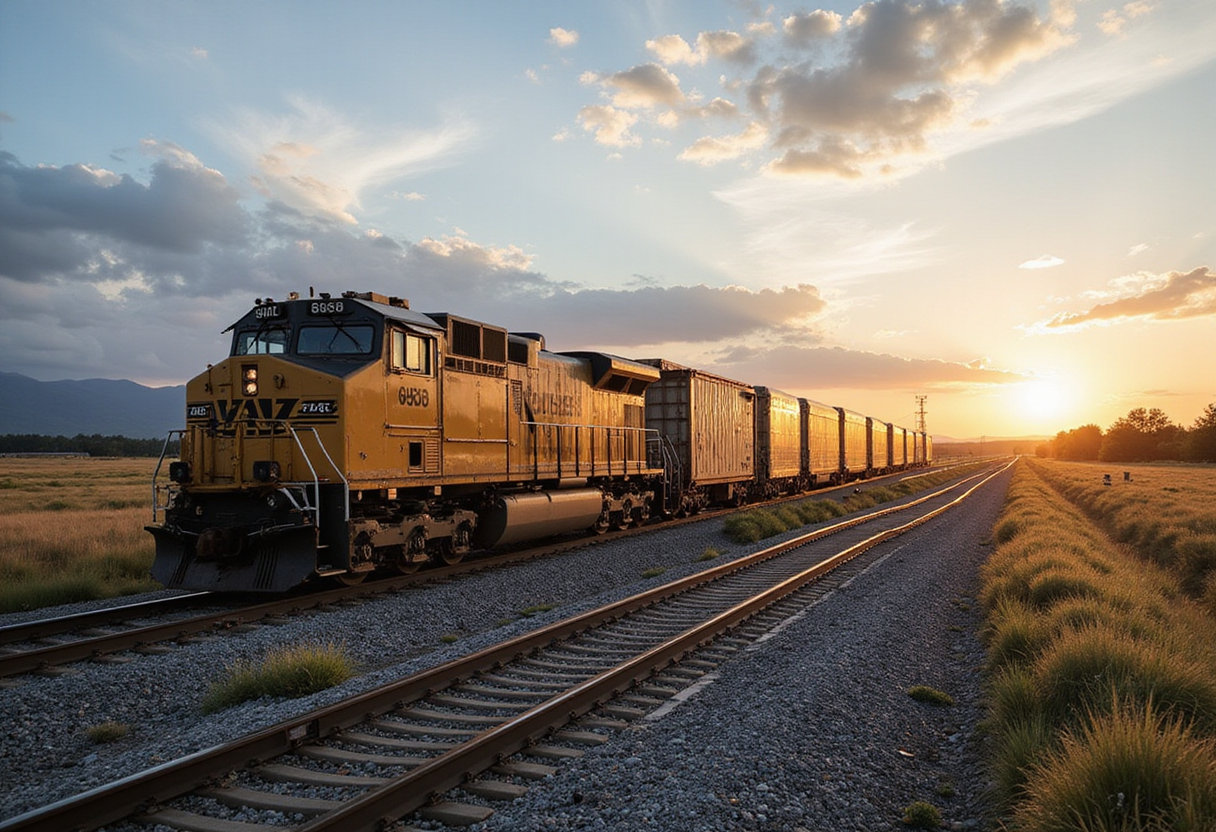
U.S. railroads are charging more to move grain, and the added freight cost may land on farmers' bottom lines at a time when row-crop margins are already thin.
The rate increases affect the Class I carriers that haul grain from the Midwest and Plains to export terminals and domestic processors. For growers, the stakes are straightforward: when shipping costs rise, grain buyers often widen basis — the difference between local cash prices and futures — to recover their own freight expenses. That means a weaker check at the elevator even if futures prices hold steady.
The timing compounds existing pressure. Corn and soybean prices have fallen from their recent peaks while input costs for seed, fertilizer, and machinery remain elevated, leaving producers with little cushion to absorb another hit to basis or cash prices.
Rail is not the only path for grain — barge traffic on the Mississippi River system and trucking compete on many lanes — but rail rates are a benchmark that ripples through the entire logistics chain. Elevators and shippers that rely on rail to reach domestic feeders, ethanol plants, and export positions on the Gulf and West Coasts face the higher charges directly, and analysts expect them to pass a share of the cost back through the country elevator network.
For farmers, the practical question is how much of the freight increase shows up as wider basis at harvest and how much shippers absorb. In competitive markets with ample rail alternatives, shippers may eat part of the cost. In regions served by a single railroad, growers have fewer options and basis can widen quickly.
The increases also matter for U.S. competitiveness abroad. Freight is a component of the full cost of delivering grain to foreign buyers, and higher domestic rail rates can erode the U.S. price advantage against other exporters when global supplies are plentiful.
Watch basis levels at country elevators in rail-dependent regions over the coming weeks. If the higher freight charges work through the system as expected, growers will see the clearest evidence in their local cash bids — and in the farm-gate margins those bids determine.
via Google News: Grain prices (Source)
More from Nathan Brooks
Show full bio
Staff writer covering marketplaces and e-commerce at Agribusiness Wire.
173 articles
Also in the yard
- Higher Rail Rates for Grain Threaten to Squeeze U.S. Farm Margins
- Feed Grain Prices Hold Steady as Fuel Costs Climb on the Prairies
- Prairie Feed Barley Bids Hold Steady as Fuel Costs Squeeze Buyers
- War, Oil and El Niño Are Driving Grain Prices Higher
- Corn, Soybeans and Wheat Surge in Chicago, Lifting Farm Revenue Hopes