Lot No. LOT-9899 · offered September 29, 2026
Commodity MarketsLot sheet
Black Sea Escalation Pushes Global Grain Prices Higher
Global grain prices climbed as Russia-Ukraine fighting escalated in the Black Sea, tightening the corridor that carries a major share of world wheat and corn exports.
Market notes
- Global grain prices are rising as the Russia-Ukraine war escalates in the Black Sea, The Kyiv Independent reports.
- The escalation threatens the shipping corridor for a major share of world wheat, corn and sunoil exports.
- The rally reflects geopolitical risk premium rather than confirmed crop loss, leaving prices exposed to rapid reversal.
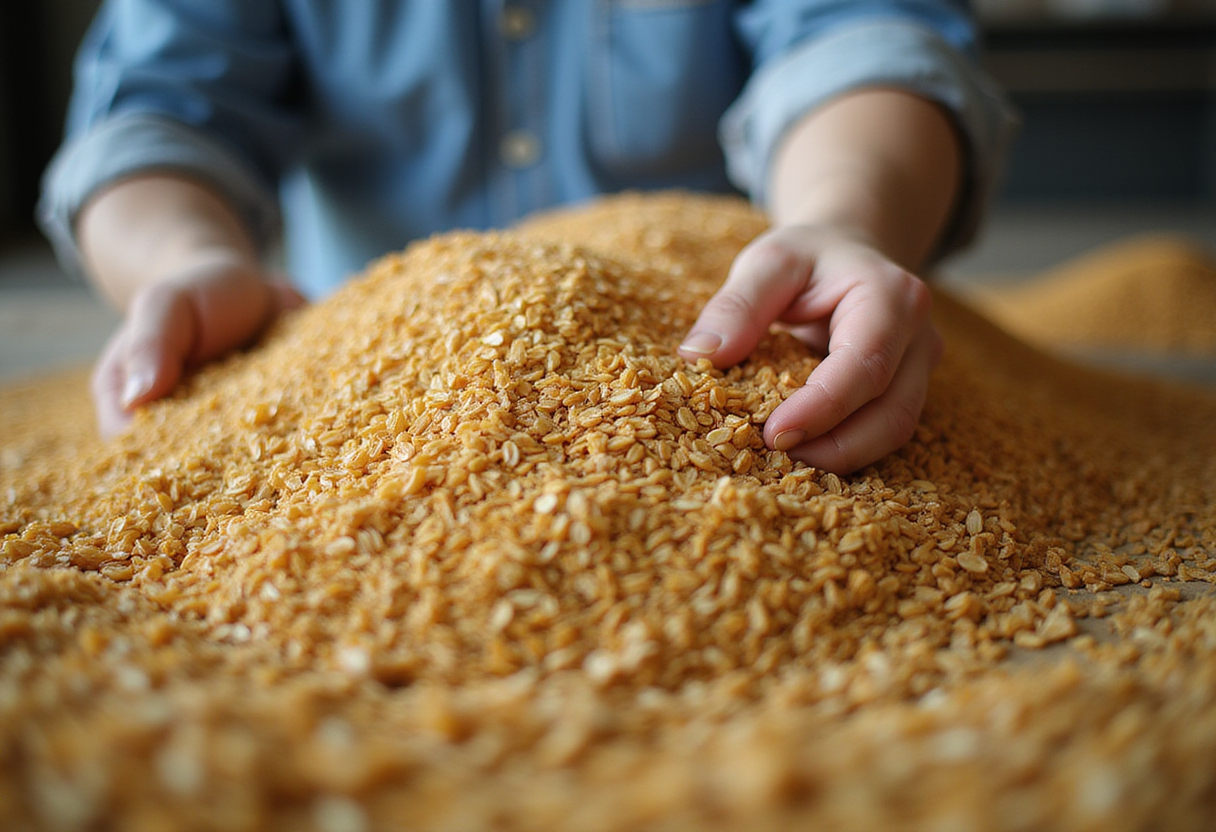
Global grain prices are rising as the war between Russia and Ukraine escalates in the Black Sea, according to a report from The Kyiv Independent. The escalation directly threatens the shipping corridor that carries a substantial share of the world's wheat, corn and sunflower oil exports, and futures markets have responded.
The price move matters first for buyers. Countries that depend on Black Sea supplies face higher import bills, and the longer the escalation persists, the more those costs compound through food inflation and government procurement budgets. For competing exporters, the same disruption is a price-supportive event: suppliers outside the region gain pricing power as traders reroute demand toward their origin.
For producers outside the Black Sea basin, the rally is a rare margin-positive signal in a period when farm gate returns have been squeezed by elevated input costs. Fertilizer, fuel and crop protection spending remain the dominant line items in producer budgets, and any price gain that holds through harvest improves the odds that revenue growth outruns those fixed commitments. The caveat is basis. A global futures rally does not automatically translate into stronger local cash prices if interior logistics, export capacity or processor demand limit how much of the board gain reaches the farm gate. Growers watching this rally should track their local basis, not just the headline futures number, before making sales decisions.
The report frames the escalation as a market-moving geopolitical development rather than an agronomic one. That distinction matters for how readers weigh the news. Condition of crops, planted acreage and harvest results determine physical supply. A war-driven price spike reflects risk premium — fear of lost or delayed shipments — rather than grain that has already disappeared from the world balance sheet. If the security situation in the Black Sea de-escalates, that risk premium can unwind quickly, and prices can fall as fast as they rose. Producers who price grain into the spike are capturing fear, not necessarily scarcity, and that asymmetry cuts both ways.
The Black Sea's role in world grain trade explains the size of the reaction. Russia and Ukraine together rank among the top wheat exporters globally, and Ukrainian corn and sunflower oil flows are structurally significant to importers in North Africa, the Middle East and Asia. Any threat to vessel traffic, port operations or insurance availability in the region tightens effective export capacity for the entire world market, even when the grain itself is already in store at the ports.
Traders will now watch three things: whether commercial shipping continues to move through the corridor, how insurers and shipowners respond to the escalated risk, and whether either government takes steps that restrict or redirect exports. Each of those variables can move prices independently of the physical harvest.
For now, the direction is clear even if the duration is not. Prices are up, the driver is escalation in the Black Sea, and the market is pricing disruption rather than confirmed crop loss. The Kyiv Independent's reporting points to continued volatility ahead as long as the fighting around the corridor continues.
via Google News: Grain prices (Source)
More from Nathan Brooks
Show full bio
Staff writer covering marketplaces and e-commerce at Agribusiness Wire.
173 articles