Lot No. LOT-6732 · offered October 9, 2026
Commodity MarketsLot sheet
USDA Pours $180M Into Seed Genetic Sequencing Push
USDA launches a $180 million, two-year Seed Sovereignty Initiative to sequence 600,000-plus plant accessions held by ARS, pairing AI trait screening with expanded DOJ seed-market oversight.
Market notes
- USDA committed $180 million over two years to the Seed Sovereignty Initiative, announced Oct. 6, 2026.
- The ARS National Plant Germplasm System holds more than 600,000 accessions across over 16,000 species.
- USDA will use AI and advanced sequencing to screen NPGS collections for pest resistance, drought tolerance and yield traits.
- USDA is expanding its existing memorandum of understanding with the Department of Justice to scrutinize seed-market competition.
- Quotes from Rollins, Vaden and Hutchins frame the effort as reducing U.S. dependence on foreign plant genetic resources.
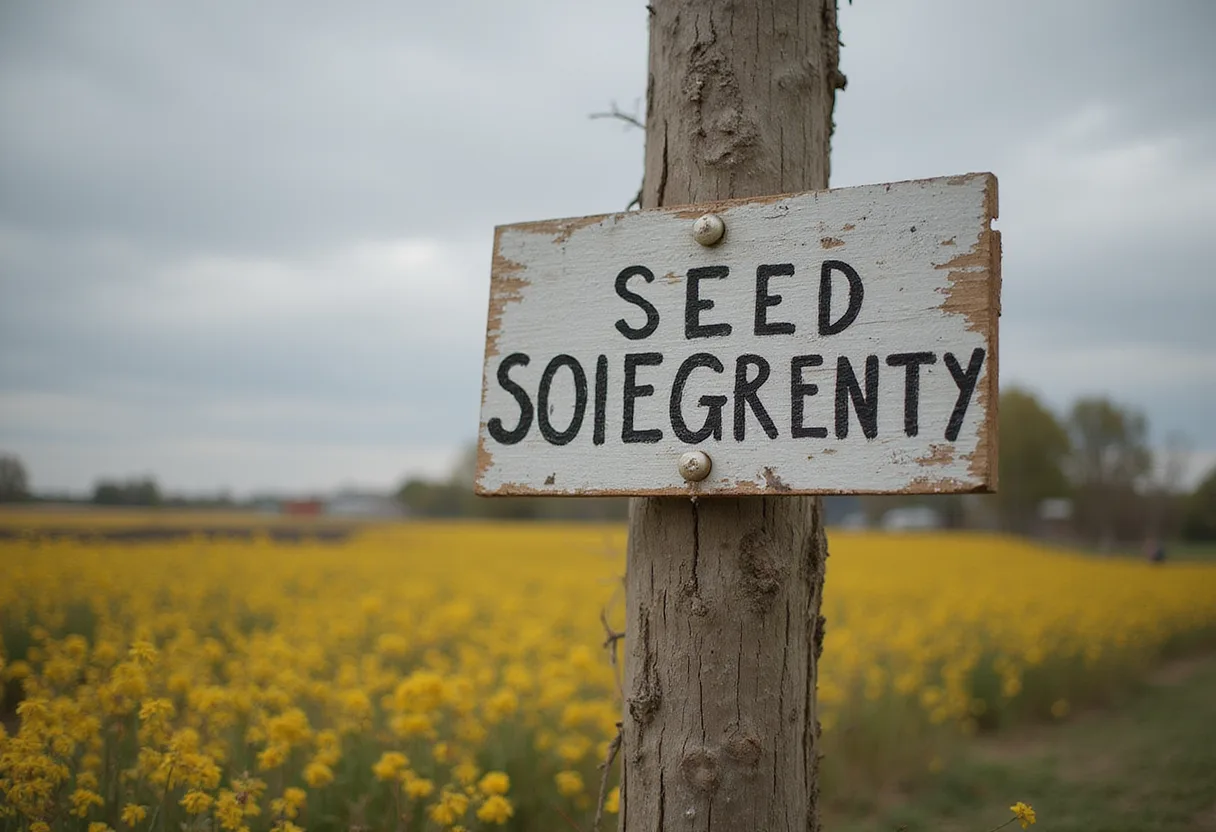
USDA will invest $180 million over two years to sequence and characterize crop genetic resources held in its federal seed bank, Agriculture Secretary Brooke Rollins announced Oct. 6.
The funding launches the Seed Sovereignty Initiative within USDA's Agricultural Research Service (ARS) National Plant Germplasm System (NPGS), which curates more than 600,000 plant accessions spanning over 16,000 species. Officials say the program will move the agency from preserving those collections to actively decoding them, with downstream implications for the breeding pipelines that feed U.S. seed catalogs.
What does the $180M fund?
- Sequencing and phenotyping of major crop collections in the NPGS
- Deployment of artificial intelligence to identify valuable traits
- Gap analysis to flag missing genetic diversity
- Faster response capacity against emerging pests and diseases
Why the urgency on seed genetics?
Foreign competitors have moved faster than the United States to acquire and sequence plant genetic resources from around the world. Many U.S.-held accessions remain unsequenced, leaving public and private breeders working without complete genetic information.
"Since President Trump returned to office, he has made it clear that we are putting American farmers first," Rollins said. "For too long, the future of our crops and our seeds has not been a priority. That changes today, because we cannot afford to depend on foreign adversaries for next year's crop."
Deputy Secretary Stephen Vaden framed the collections as a national-security asset tied to the seed supply chain.
"America's agricultural resources are a strategic national asset," Vaden said. "We need to survey our domestic resources, understand where we are vulnerable and ensure the United States never has to rely on foreign competitors for critical agricultural resources."
How does this tie into seed market competition?
USDA will expand its existing memorandum of understanding with the U.S. Department of Justice to scrutinize agricultural input markets, with seeds as a continuing focus. The expanded partnership targets transparency and competition in the seed marketplace, a recurring complaint among producers facing fewer buying choices and higher seed prices.
What does USDA say it will deliver?
USDA Under Secretary for Research, Education & Economics and Chief Scientist Dr. Scott Hutchins described the NPGS as carrying untapped economic value for U.S. farmers.
"The National Plant Germplasm System contains tremendous untapped potential for American agriculture," Hutchins said. "Modern sequencing will allow us to unlock that potential and put it to work for American farmers, providing them a strong advantage."
The two-year timeline positions USDA to:
- Characterize NPGS collections using advanced sequencing
- Apply AI tools to screen for pest resistance, drought tolerance and yield traits
- Supply public and private breeders with data to develop new commercial varieties
- Reduce U.S. dependence on foreign plant genetic resources
Rollins framed the rollout as the start of a longer push to align federal genetic infrastructure with breeder and farmer demand. The first sequencing outputs, paired with the expanded DOJ seed-market work, will determine whether the Seed Sovereignty Initiative converts federal spending into measurable gains in seed choice, variety performance and input risk on the farm.
via eu-images.contentstack.com (Original)
More from Marcus Bennett
Show full bio
Senior reporter covering regulation, policy and their impact on Agribusiness coverage for industry professionals at Agribusiness Wire.
408 articles