Lot No. LOT-3070 · offered October 9, 2026
Commodity MarketsLot sheet
Vietnam feed costs climb again as global grain prices rise
Vietnamese feed mills raised prices for the second time in a month as global grain markets firmed, according to UkrAgroConsult, which did not publish a percentage change or commodity basket.
Market notes
- Vietnamese feed mills raised prices for the second time in a month, per UkrAgroConsult
- The consultancy cited rising global grain prices as the driver
- The advisory did not publish a percentage change, commodity basket, or specific feed category
- Vietnam ranks among Asia's largest feed buyers for pork, poultry and shrimp production
- Three indicators to watch: CBOT corn/soybean meal futures, FOB Black Sea wheat, dong-dollar exchange rate
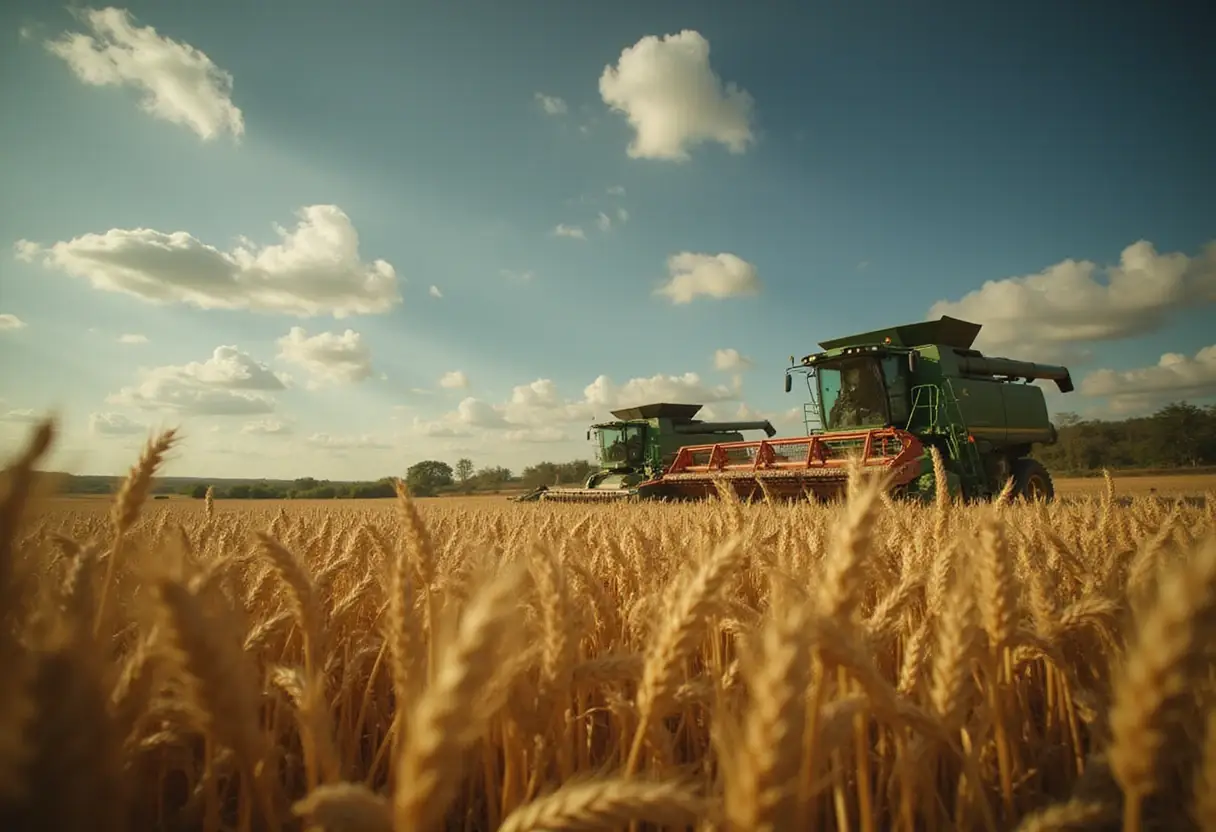
Vietnamese feed mills have raised prices for the second time in a month, according to UkrAgroConsult, the Kyiv-based agricultural consultancy.
What did UkrAgroConsult actually report?
The consultancy posted a headline advisory stating that "rising global grain prices" are pushing Vietnam feed costs higher for the second time in a month. It did not publish a percentage change, a commodity basket, or a specific feed category in the version reviewed here. That omission leaves the magnitude of the move open to interpretation.
Why does a second hike in 30 days matter?
A repeat pass-through within a single calendar month signals that feed manufacturers are forwarding upstream cost pressure to buyers faster than during earlier episodes this year. Vietnamese compound-feed mills typically reset ex-works prices when CBOT corn, soybean meal, or Black Sea wheat benchmarks move against them. Two resets inside one month points to a tightening feed margin on the supply side.
Who absorbs the pass-through downstream?
Vietnam ranks among Asia's largest feed buyers. Pork, poultry and shrimp producers take compound feed in bulk, and feed is the single largest variable cost in commercial livestock and aquaculture production. A second hike compresses margins for farms already operating on thin returns.
How does the cost flow through the chain?
The pass-through feeds into wholesale and retail protein prices, though typically with a lag of one to two production cycles. Poultry cycles run roughly five to seven weeks. Swine cycles run several months. That lag means today's feed hike will hit broiler producers first and pork producers later.
What does UkrAgroConsult normally cover?
The consultancy publishes Black Sea and Eastern European grain market analysis, with weekly and monthly notes on wheat, corn, barley and oilseed flows from Ukraine, Russia and Romania. Its Southeast Asian coverage draws on port arrivals, milling demand surveys and trade data. Vietnam is a regular subject of those import notes.
How should the headline be read?
"Global grain prices" is broad. It can refer to corn, wheat, barley or sorghum, and may include oilseed meal by extension. Without a published basket, readers cannot tell whether the pass-through is driven primarily by Black Sea wheat, U.S. corn, or South American soybean meal. Each origin carries a different shipping and currency profile for Vietnamese buyers.
Why does the exchange rate matter?
The dong's value against the U.S. dollar sets the local-currency cost of every imported ton. A weaker dong amplifies the feed mill's dollar-denominated cost before the pass-through begins, while a stronger dong softens it. Exchange-rate moves can therefore turn a given dollar-denominated grain move into a larger or smaller local-currency feed quote.
Why does the missing percentage figure matter?
UkrAgroConsult coverage typically attaches a percentage change or an absolute price quote to its market notes. The current headline's omission makes it harder for buyers and producers to benchmark their own input costs against the consultancy's reporting. Industry data quality depends on consistent methodology, and a vague headline weakens comparability across reporting periods.
What indicators should buyers watch next?
Three signals will determine whether mills face a third revision before quarter-end:
- the CBOT corn and soybean meal futures path
- the FOB Black Sea wheat quote
- the dong-dollar exchange rate that sets the local-currency cost of imported grain
The first two set the imported basis. The third sets how much of that basis reaches the buyer's invoice.
The missing percentage figure leaves the size of the pass-through open. Producers, traders and protein buyers will look to UkrAgroConsult's next bulletin and to local feed mill announcements for the revised ex-works price, which is the next concrete data point in this developing story.
via Google News: Grain prices (Source)
More from Marcus Bennett
Show full bio
Senior reporter covering regulation, policy and their impact on Agribusiness coverage for industry professionals at Agribusiness Wire.
408 articles