Lot No. LOT-8697 · offered October 9, 2026
Seeds, Crop Protection & FertilizerLot sheet
USDA Launches $180M Seed Initiative as Farm Costs Climb
USDA's $180 million Seed Sovereignty Initiative targets plant genetics, DOJ cooperation as farmers face 270% seed price increases since 1990 and a 5.5% drop in 2026 net farm income forecasts.
Market notes
- USDA on October 6 launched a $180 million Seed Sovereignty Initiative, announced by Secretary Brooke Rollins.
- Average crop seed prices rose 270% between 1990 and 2020, with corn, soybeans and cotton up 463%.
- Bayer and Corteva accounted for 72% of U.S. corn acres and 66% of soybean acres planted in 2018-2020.
- USDA forecasts 2026 net farm income at $158.4 billion, down 5.5% inflation-adjusted from 2025, with farm-sector debt climbing 4.6% to $605.1 billion.
- Corteva agreed to a 10-year FTC settlement and $35 million in state monetary claims over post-patent pesticide loyalty programs in late September.
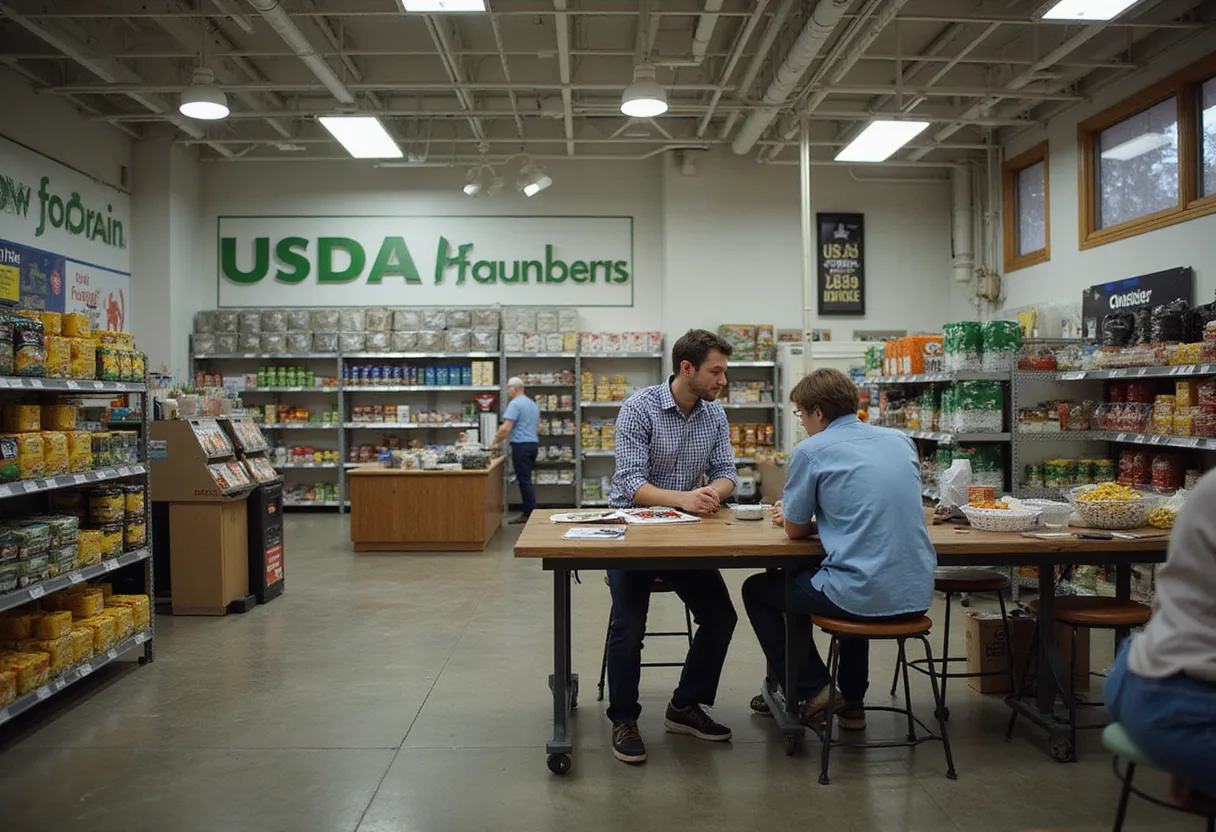
The USDA on October 6 launched a $180 million Seed Sovereignty Initiative to bankroll plant genetics research and widen federal scrutiny of competition in seed markets, Agriculture Secretary Brooke Rollins announced.
The two-year program directs funding toward the USDA Agricultural Research Service National Plant Germplasm System, which holds more than 600,000 accessions spanning over 16,000 species. Researchers will characterize and sequence major crop collections and apply artificial intelligence to identify traits linked to drought tolerance, pests and disease pressure.
What's driving the federal focus on seed costs?
"Seed has become one of the most strategic and expensive farm inputs, directly affecting yields, crop technology and margins," USDA said in announcing the initiative.
Economic Research Service data show average prices farmers paid for crop seed climbed 270% between 1990 and 2020, against a 56% rise in the crop commodity price index. Corn, soybeans and cotton — crops typically planted with genetically modified seed — averaged a 463% jump.
Market structure adds another dimension. Bayer and Corteva accounted for 72% of U.S. corn acres and 66% of soybean acres planted from 2018 through 2020, USDA research found. Concentration alone does not prove anticompetitive behavior, yet USDA economists have documented how stronger intellectual property rights and consolidation can elevate market power.
How do U.S. seed prices compare with Brazil?
A 2026 study commissioned by the National Corn Growers Association and conducted by Kynetec found U.S. corn growers paid an average 68% premium for seed versus Brazilian growers from 2023 through 2025. NCGA argues persistent input-price gaps erode profitability and the global competitiveness of American corn.
Differences in seed traits, regulatory costs, pest pressures and production systems complicate the comparison, the study cautioned. Still, NCGA argues the gap remains large enough to weigh on margins.
What's the financial backdrop for farmers?
USDA's September forecast puts 2026 net farm income at $158.4 billion, down 5.5% from 2025 after adjusting for inflation. Farm-sector debt is projected to climb 4.6% to $605.1 billion, while inflation-adjusted production expenses rise by $7.1 billion.
Against that pressure, competition in agricultural inputs now reaches well beyond seed companies. In late September, the Federal Trade Commission and state attorneys general settled with Corteva over post-patent pesticide loyalty programs, requiring 10-year restrictions on certain practices and $35 million for state monetary claims. That case targets crop-protection products, not seed pricing; litigation against Syngenta continues.
What could the initiative actually deliver?
USDA has expanded its existing memorandum of understanding with the Justice Department, with what the agency describes as continued emphasis on seeds. Two tracks now run in parallel: public investment in genetic resources and federal attention to seed-market competition.
The technical opportunity is real. Combining genomic sequencing with AI may let researchers scan vast collections for drought tolerance, disease resistance and environmental adaptation far faster than conventional screening. Translating those discoveries into commercial hybrids and varieties can take years.
For independent seed companies, plant breeders, cooperatives and farmers, the question is whether publicly funded discoveries will reach commercial breeders and broaden the roster of companies delivering competitive genetics. As USDA officials acknowledged: "A $180 million research program does not automatically mean cheaper seed next season, nor does greater market scrutiny prove that current seed prices result from anticompetitive behavior."
U.S. producers will judge the program on measurable outcomes: more genetic options, useful traits, competitive seed prices and better returns per acre.
via localhost (Original)
More from Rebecca Stone
Show full bio
Market editor covering people, launches and day-to-day practice in Agribusiness coverage for industry professionals at Agribusiness Wire.
430 articles
Also in the yard
- USDA to Expand Seed Research, Partner With DOJ on Industry Probe
- USDA to widen seed inventory research, join industry investigation
- USDA Pours $180M Into Seed Genetic Sequencing Push
- U.S. Seed Costs Run Well Above Industry Claims, Analysis Finds
- USDA to widen seed-store research, partner with DOJ on seed probe