Lot No. LOT-6558 · offered October 9, 2026
Seeds, Crop Protection & FertilizerLot sheet
Seed industry welcomes USDA support for germplasm system
U.S. seed industry groups welcomed USDA support for the national plant germplasm system, the federal network that stores and distributes crop genetic material to public breeders and commercial companies.
Market notes
- USDA maintains a national plant germplasm system of seed banks and genetic repositories used by public and private breeders
- The seed industry welcomed USDA support for the germplasm system, according to Brownfield Ag News
- Material from the network feeds corn, soybean, wheat, cotton, rice and specialty crop breeding programs
- Industry groups have historically pushed Congress to fund ARS germplasm-related line items
- The system's database, GRIN, catalogs accessions available to qualified requesters
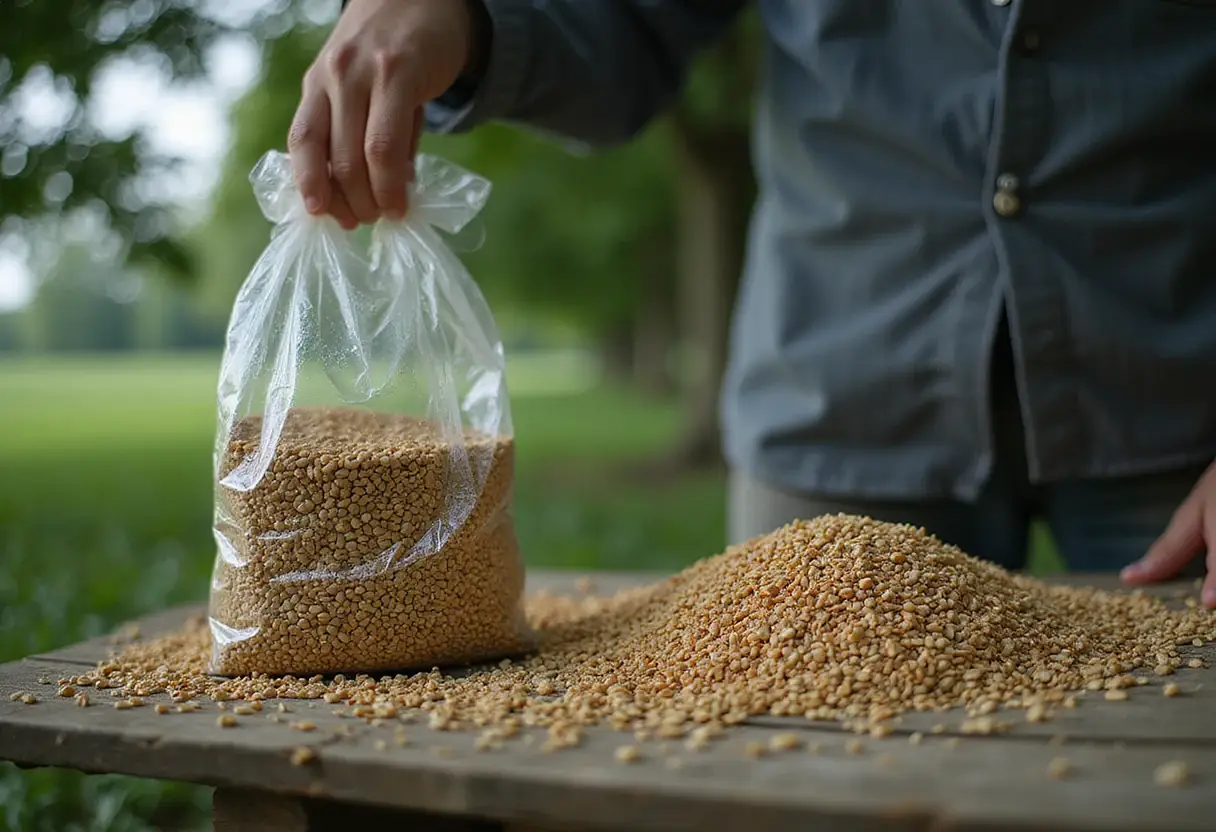
The U.S. seed industry has welcomed USDA support for the national plant germplasm system, the federally coordinated network of seed banks, repositories and genetic databases that supplies breeding material to public researchers and commercial companies.
The endorsement from seed trade groups signals alignment between industry and the Agriculture Department on long-running concerns about funding, infrastructure and access protocols for germplasm collections that underpin nearly every major U.S. crop breeding program.
What does the germplasm system actually cover?
The germplasm system stores, characterizes and distributes genetic material — seeds, cuttings, tissue cultures and associated data — for use by plant breeders, university researchers and qualified private companies. Material flows from working collections maintained at USDA Agricultural Research Service stations and partner sites around the country.
Genetic resources housed in the network feed directly into:
- Corn, soybean, wheat, cotton and rice breeding programs
- Specialty crop and vegetable variety development
- Disease- and pest-resistance trait discovery
- Public cultivar releases distributed to foundation seed programs
For commercial seed companies, free or low-cost access to diverse germplasm shortens breeding cycles and reduces the upfront cost of maintaining proprietary collections. For land-grant universities, it keeps public variety pipelines alive.
Why industry groups are weighing in now
Industry support for the germplasm system tends to intensify whenever federal budget proposals touch ARS facilities, regional plant introduction stations or the GRIN database that catalogs available accessions. Seed trade associations have historically pressed Congress to maintain or expand line items tied to genetic resource conservation, framing the system as shared infrastructure that no single firm could replicate privately.
The Brownfield Ag News headline indicates the industry is treating the USDA backing as a positive signal for continued operation of the network at a time when many ARS stations face deferred maintenance backlogs and rising labor costs.
How growers ultimately benefit
The connection between a federal germplasm bank and a corn grower's seed invoice is indirect but real. Public breeding programs release parental lines, mapping populations and trait donors into the commercial pipeline. Without replenished germplasm stocks, the genetic base of U.S. crops narrows over time, raising long-run risk from emerging pests, pathogens and weather extremes.
Seed companies also rely on the system to verify the provenance and characteristics of accessions before they enter costly multi-year evaluation trials.
What to watch next
The practical test of the USDA support will show up in:
- Annual appropriations for ARS germplasm-related line items
- Capital spending on cold-storage and field-plot infrastructure
- Updates to GRIN ordering, phytosanitary and material-transfer terms
- Public-private cost-share arrangements for new collections
Industry endorsement of the current direction suggests seed trade groups expect funding continuity and continued access to public collections, but growers should track the next appropriations cycle to see whether that expectation holds.
via Google News: Seed industry (Source)
More from Nathan Brooks
Show full bio
Staff writer covering regulation, policy and their impact on Agribusiness coverage for industry professionals at Agribusiness Wire.
464 articles
Also in the yard
- ASTA backs USDA germplasm investment as breeding pipeline base
- USDA Commits $180 Million to National Plant Germplasm System
- USDA Pours $180M Into Seed Genetic Sequencing Push
- USDA to Expand Seed Research, Partner With DOJ on Industry Probe
- USDA to widen seed inventory research, join industry investigation