Lot No. LOT-1252 · offered September 29, 2026
Seeds, Crop Protection & FertilizerLot sheet
Tanzania Commissions Seed Co Plant to Cut Imported Seed Reliance
Tanzania has commissioned a new Seed Co processing plant, aiming to cut reliance on imported seed, trim input costs and localize certified seed supply for growers.
Market notes
- Tanzania has switched on a new Seed Co seed processing plant.
- The investment aims to reduce Tanzania's reliance on imported seed.
- Local processing is expected to affect input costs and delivery timing for Tanzanian growers.
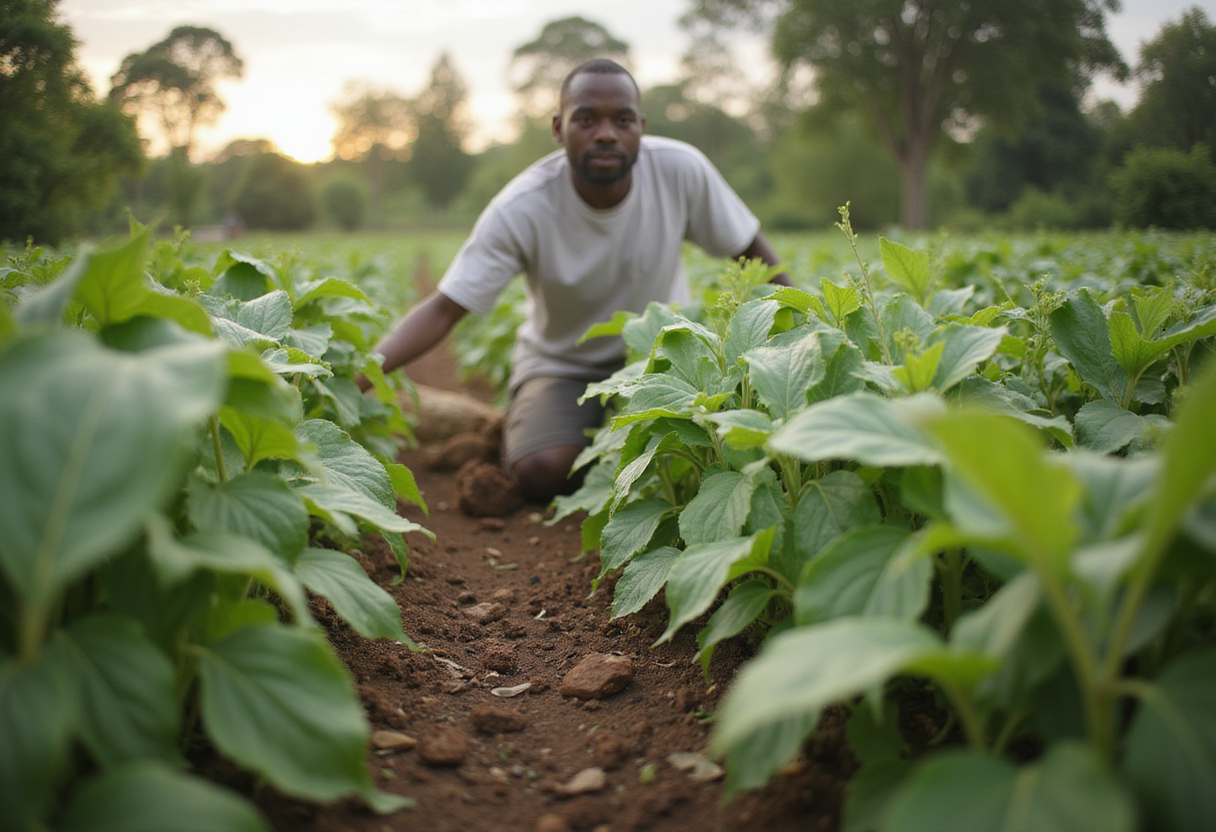
Tanzania has switched on a new Seed Co processing plant, a move the government and the seed company frame as a step toward reducing the country's dependence on imported seed.
The commissioning places Seed Co — one of the region's best-established seed houses, with operations across eastern and southern Africa — at the center of Tanzania's effort to localize seed supply. For a planting sector where imported hybrid and certified seed carries freight costs, foreign-exchange exposure and delivery risk, a domestic processing line shortens the chain between breeder and grower.
The logic behind the investment is straightforward. Certified seed is the first and one of the most consequential input purchases a farmer makes each season. When that seed is processed offshore, Tanzanian growers absorb import logistics in their input bills, and delays in customs or shipping can push delivery past optimal planting windows. Local processing capacity addresses both the cost and the timing sides of that equation.
For Seed Co, the plant deepens its footprint in a market where demand for improved maize and cereal seed continues to grow. The company has built its regional position on breeding programs adapted to African growing conditions, and local processing allows it to move from research and multiplication to conditioning and bagging inside Tanzania itself.
The policy context matters as much as the hardware. African governments, Tanzania included, have pressed for higher certified seed uptake among smallholder farmers, who still save and exchange farm-retained seed in large volumes. Every percentage-point shift from saved seed to certified hybrids translates into yield gains per hectare — and into larger addressable markets for seed companies. A domestic plant positions Seed Co to capture that shift as it happens.
Import substitution also carries a balance-of-trade argument. Seed imports draw on the same foreign exchange that governments need for fuel, fertilizer and machinery. Substituting locally processed seed keeps a portion of that spending inside the country and, in principle, builds a tax base and skilled jobs around the processing operation.
For Tanzanian growers, the practical questions will settle in the numbers: whether locally processed seed reaches agro-dealers at a lower retail price than imported equivalents, whether germination and purity standards hold at scale, and whether supply can meet seasonal demand in the planting window rather than after it. Those outcomes will show up first in basis and input-credit terms at the cooperative level.
The commissioning also signals confidence in Tanzania's seed regulatory environment. Companies commit processing capital where certification systems, variety release procedures and plant breeder's rights function predictably. Seed Co's decision to invest reads as a bet that the institutional side of the seed value chain will keep pace with the physical plant.
Competition should follow. Where one major seed house localizes processing, rivals typically face pressure to match the cost structure or concede price-sensitive market segments. That dynamic tends to compress seed margins over time while expanding certified seed coverage — a trade most policymakers are happy to make.
Tanzania's next measurable indicators will be the plant's throughput in its first full processing cycle, the share of Seed Co's Tanzanian sales shifted from imported to locally conditioned product, and any movement in certified seed adoption rates in the seasons that follow.
via Google News: Seed industry (Source)
More from Marcus Bennett
Show full bio
Senior reporter covering marketplaces and e-commerce at Agribusiness Wire.
127 articles
Also in the yard
- South Sudan Seed Sector Build-Out Opens Local Farm Opportunity
- Seed Industry Presses U.S. to Drop Tariffs on Research Seed
- Global Markets Now Drive Seed Sector Strategy, SeedWorld Reports
- NASC, PIND Sign Two-Year Deal on Certified Seed for Niger Delta
- Seed Sector Urges India to Bolster Agrobiodiversity as Global Supply Shocks Bite