Lot No. LOT-7072 · offered September 29, 2026
Seeds, Crop Protection & FertilizerLot sheet
Bayer Faces Antitrust Suit Over Alleged Corn Seed Monopoly
Bayer faces an antitrust lawsuit alleging it monopolizes the US GMO corn seed market, putting its Monsanto-inherited trait licensing business under scrutiny.
Market notes
- Bayer is being sued for allegedly monopolizing the US market for GMO corn seeds.
- The suit challenges Bayer's position in corn traits inherited through its $63 billion acquisition of Monsanto in 2018.
- The complaint is at an early stage; the allegations have not been proven in court.
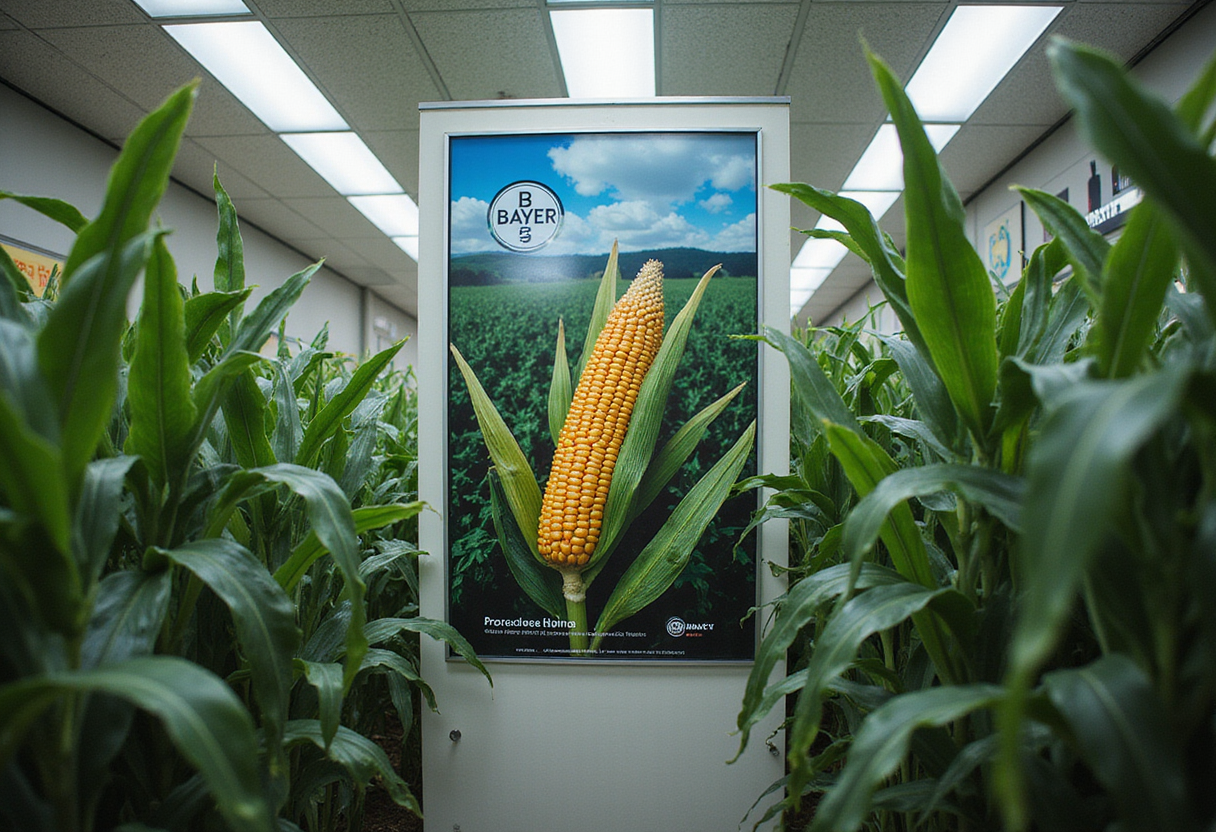
Bayer is facing a lawsuit alleging it monopolizes the US market for genetically modified corn seed, Reuters reports, a claim that strikes at the core of the company's corn trait licensing business and could reshape seed costs for growers across the Corn Belt.
The suit targets Bayer's position in GMO corn seed, a market the company inherited through its $63 billion acquisition of Monsanto in 2018. Plaintiffs argue that Bayer's control over widely licensed trait packages has left farmers with too few independent seed options when they book corn acres each season.
The case matters directly to input budgets. Corn seed typically ranks among the largest single line items in a grower's pre-plant spending, alongside fertilizer and crop chemicals. Any finding that Bayer suppressed competition in trait licensing would put scrutiny on how much of that cost reflects market power rather than breeding and trait development.
Bayer's corn business rests on trait packages that independent seed companies license and stack into their own germplasm. That licensing structure has made Bayer's genetics and traits a near-universal presence in US corn acres, and it is exactly that reach the lawsuit contest.
The complaint follows years of consolidation in the seed and crop chemical sector. The Monsanto acquisition gave Bayer control of the dominant corn and soybean trait platforms just as rivals Dow and DuPont merged their agriculture units into Corteva, leaving three or four major players across most row-crop input categories.
Antitrust scrutiny of agricultural input markets has intensified on several fronts in recent years, with regulators and private plaintiffs testing whether consolidation in seeds, crop chemicals and farm machinery has raised farmer costs. A monopoly claim against Bayer's corn seed platform would be among the most significant of those challenges, given the volume of US corn plantings that carry Bayer-derived traits each year.
For farmers, the stakes center on choice and price at the point of seed purchase. If the suit succeeds, it could open the door to broader independent licensing of corn traits and renewed price competition among seed brands competing for the same acres. Bayer, for its part, has consistently defended its licensing practices as voluntary and pro-competitive.
The lawsuit is at an early stage. A complaint is an allegation, not a finding, and monopoly cases of this kind typically take years to move through discovery, summary judgment motions and, potentially, trial. Farmers and input buyers should not expect near-term changes in trait availability or seed pricing while the case proceeds.
Still, the outcome will shape the structure of the US corn seed market for years to come, and growers, cooperatives and independent seed companies will be watching each procedural ruling for signals about how much of the corn trait market Bayer may ultimately have to share.
via Google News: Seed industry (Source)
More from Rebecca Stone
Show full bio
Market editor covering industry trends and analytics at Agribusiness Wire.
135 articles
Also in the yard
- Bayer Monopoly Suit Stirs Fresh Concerns Over U.S. Farm Input Costs
- Bayer to Suspend 'Unfair Provisions' in Seed Contracts
- Bayer Advances Combined Seed and Crop Protection Pipeline
- DOJ Weighs Unwinding Seed Industry Mergers It Once Approved
- Corteva to Split Into Separate Seed and Crop Protection Companies