Lot No. LOT-3414 · offered September 29, 2026
Seeds, Crop Protection & FertilizerLot sheet
South Sudan Seed Sector Build-Out Opens Local Farm Opportunity
South Sudan's push to build a domestic seed industry is creating local jobs and cutting reliance on imports, the World Bank Group reports.
Market notes
- South Sudan is developing a homegrown seed industry with World Bank Group support.
- Local seed production is creating economic opportunities in multiplication, certification and distribution.
- Domestic seed supply cuts the import cost stack that keeps certified seed out of reach for most smallholders.
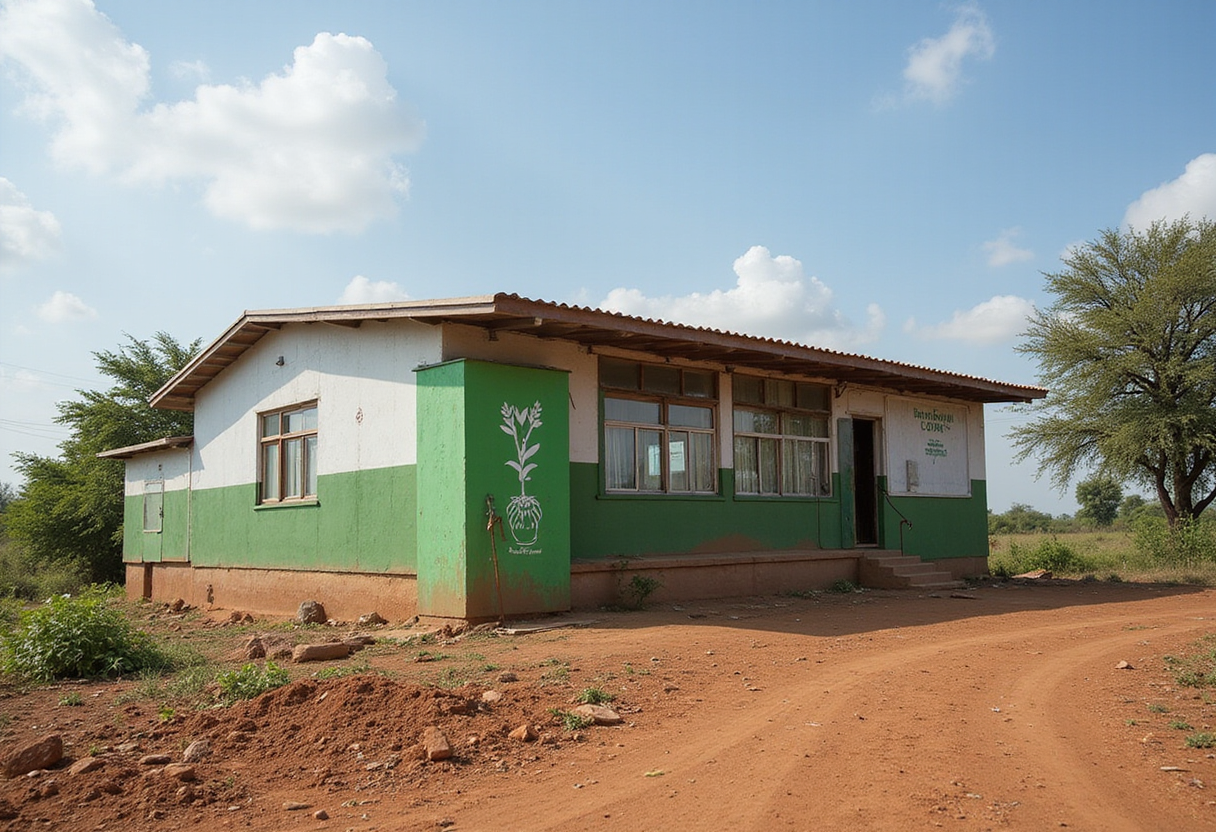
South Sudan is working to build a domestic seed industry, and the effort is already creating local economic opportunities in a country where farmers have long depended on imported planting material, according to a World Bank Group report.
The initiative targets one of the structural weaknesses of South Sudanese agriculture: the near-absence of a functioning commercial seed market. Where certified seed of improved varieties is unavailable locally, growers recycle grain from previous harvests as planting stock, a practice that depresses yields season after season and leaves production exposed to pests, drought and disease.
The World Bank's account frames the homegrown seed industry as both an agricultural productivity measure and a jobs program. Local seed production keeps value inside the country's borders and builds a skills base in multiplication, certification and distribution — functions that import-dependent systems never develop.
For South Sudanese growers, the economics are direct. Imported seed carries freight, handling and foreign-exchange costs that push retail prices beyond the reach of most smallholders. A domestic supply chain shortens that cost stack. If multiplied and sold locally, certified seed can reach farmers at prices that make replanting with improved varieties a rational budget decision rather than a one-off gamble.
The development matters for a country where agriculture dominates the economy and the vast majority of households earn their living from farming. Yield gains from quality seed compound across every other input decision: fertilizer responses improve on better genetics, and harvest volumes determine whether surplus grain reaches markets or families consume everything they grow.
The seed industry build-out also signals to agribusiness that South Sudan can support localized input supply. Cooperatives, aggregators and any processor relying on contracted acreage benefit when growers can access consistent, certified planting material year to year. Without it, contract farming schemes struggle to standardize quality and volume.
The World Bank report positions the local seed opportunity within its broader portfolio of support to South Sudan's recovery and food security. Decades of conflict damaged the institutional plumbing a seed system needs — research stations, inspection services, storage — and rebuilding that infrastructure is part of creating opportunities that stay local rather than cycle back to foreign suppliers.
Readers should treat the framing with the usual caution applied to institutional reporting. The World Bank is a financier of the programs it describes, and its account does not separate projected outcomes from independently verified production results. The report does not specify current certified seed volumes, acreage under multiplication, or the number of enterprises established, so scale claims remain unquantified in the source material.
What is clear is the direction. A country importing its seed imports its yield ceiling. South Sudan's effort to multiply seed domestically moves that ceiling inside the border, and the World Bank indicates the program will continue expanding local production capacity and the opportunities attached to it.
via Google News: Seed industry (Source)
More from Grace Kim
Show full bio
Correspondent covering industry trends and analytics at Agribusiness Wire.
159 articles
Also in the yard
- Tanzania Commissions Seed Co Plant to Cut Imported Seed Reliance
- Seed Sector Urges India to Bolster Agrobiodiversity as Global Supply Shocks Bite
- Global Markets Now Drive Seed Sector Strategy, SeedWorld Reports
- Tajik President Orders Fix for Seed Sector After Sharp Criticism
- NASC, PIND Sign Two-Year Deal on Certified Seed for Niger Delta