Lot No. LOT-5512 · offered November 18, 2026
Seeds, Crop Protection & FertilizerLot sheet
Nebraska 93-County Study Finds No Glyphosate-Lymphoma Link
A 93-county Nebraska study pairing USGS glyphosate data with cancer registry records found no overall link to non-Hodgkin lymphoma (p = 0.613), with weak rural age-group correlations failing sensitivity tests.
Market notes
- Study across all 93 Nebraska counties found no significant overall link between glyphosate application and non-Hodgkin lymphoma (p = 0.613).
- Exposure-outcome analyses covered 1992-2014; descriptive cancer trends ran 1987-2014.
- Weak rural county correlations appeared for ages 50-59 (r = 0.244) and 60-69 (r = 0.256) but failed sensitivity tests across lag periods.
- Researchers combined USGS county-level pesticide estimates with Nebraska State Cancer Registry data.
- Authors stress ecological findings cannot establish causality; individual exposure studies are needed.
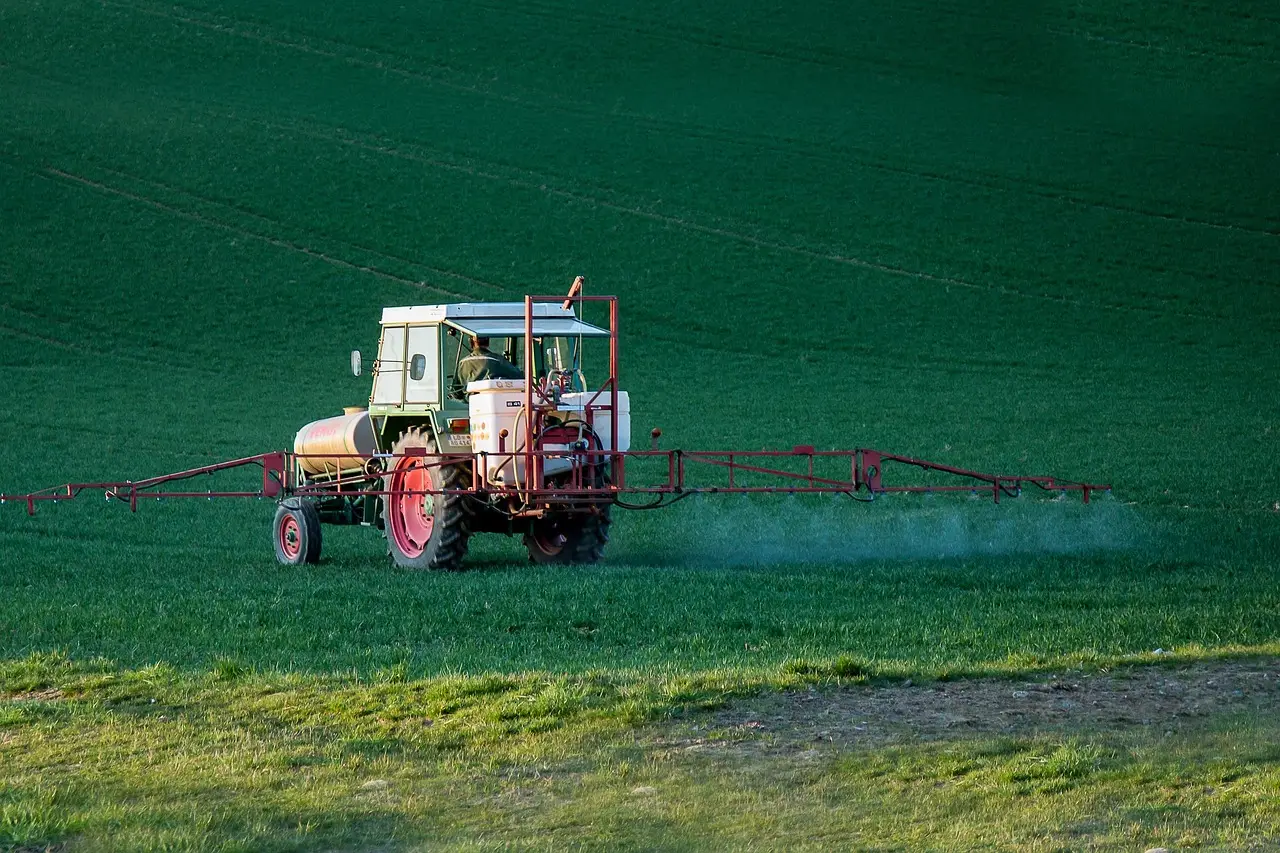
A statewide study across all 93 Nebraska counties found no statistically significant association between average annual glyphosate application and overall age-adjusted incidence of non-Hodgkin lymphoma (p = 0.613). For corn and soybean growers who have watched glyphosate litigation and regulatory scrutiny push input costs and liability discussions, the number lands as the study's central finding.
Researchers at the College of Public Health, University of Nebraska Medical Center in Omaha, published the ecological investigation in Frontiers in Public Health. They paired county-level pesticide application estimates from the United States Geological Survey with diagnostic records from the Nebraska State Cancer Registry, covering a state where glyphosate use rose substantially over recent decades.
How the analysis was built
The researchers kept two time windows distinct. Descriptive cancer trends ran across a historical baseline from 1987 through 2014. Formal exposure-outcome analyses covered a shorter span, 1992 through 2014.
The team mapped geographic distributions across Nebraska's 93 counties using choropleth and descriptive bivariate maps. They then applied Pearson and Spearman correlation coefficients plus county-level regression models to test overall and age-specific associations, including exploratory rural-urban comparisons.
That design separates condition-style observation from formal testing — the same discipline ag marketers apply when distinguishing crop condition ratings from harvested yield results.
What did the rural county data show?
Agricultural glyphosate application increased markedly during the study period, with pronounced geographic variation in both spray volumes and lymphoma incidence. In unadjusted exploratory analyses restricted to rural counties, researchers detected weak positive correlations for two age groups:
- Ages 50 to 59: Pearson's r = 0.244, p = 0.0273
- Ages 60 to 69: Pearson's r = 0.256, p = 0.0203
Those coefficients describe a weak statistical relationship in exploratory runs only. Subsequent sensitivity analyses showed the age-specific correlations did not hold consistently across different exposure lag periods and were sensitive to analytical specifications.
What does this change for growers?
In practical terms, the study adds a peer-reviewed, county-level Nebraska dataset finding no overall link between the herbicide and the cancer — but it does not close the file. The investigators were explicit about the limits of ecological design: their findings are strictly exploratory and cannot establish individual-level exposure-disease relationships or causality.
Definitive evaluation, they wrote, will require individual exposure assessments, detailed occupational histories, accounting for agricultural co-exposures, and appropriate biological latency periods. An ecological study compares county averages, not people; a farmer's actual exposure history sits outside its reach.
Why the county-level gap mattered
Prior epidemiological research had examined potential links between glyphosate exposure and non-Hodgkin lymphoma, but localized spatial distributions and age-specific patterns within Nebraska had not been comprehensively mapped at the county level, according to the study. The new work fills that regional data gap with registry-verified cancer records paired against federal spray estimates.
The finding arrives as debates over the world's most widely used herbicide continue to shape litigation, label politics and retailer decisions. Nebraska's registry-based, 93-county record now stands as one more dataset in that record — an exploratory one, its authors stress, but a clean null result on the core question of overall incidence.
Follow-up work with individual exposure assessment and occupational histories remains the stated path to firmer answers on the two age groups flagged in rural counties.
via geneticliteracyproject.org (Source)
More from Marcus Bennett
Show full bio
Senior reporter covering regulation, policy and their impact on Agribusiness coverage for industry professionals at Agribusiness Wire.
496 articles
Also in the yard
- EPA and HHS to Coordinate on Glyphosate Registration Review
- EPA and HHS Expand Collaboration as Glyphosate Review Proceeds
- EPA, HHS sign MOU on glyphosate review ahead of 2027 deadline
- Herbicide-Tolerant Crops Cut Pesticide Environmental Impact 15.3%, Study Finds
- Nebraska on-farm research plot harvest nears completion