Lot No. LOT-8254 · offered November 18, 2026
Seeds, Crop Protection & FertilizerLot sheet
130.27 bushels per acre: no-till wins in drought-hit South Dakota
Lee Lubbers of Gregory, South Dakota, harvested 130.27 bushels per acre of dryland winter wheat, the top National Wheat Yield Contest entry, in a season when 80% of area wheat acres posted zeroes.
Market notes
- Lee Lubbers of Gregory, South Dakota, won the National Wheat Yield Contest dryland winter wheat category with 130.27 bushels per acre of AgriPro SY Wolverine.
- 80% of wheat acres in south-central South Dakota posted zeroes in the drought-hit season.
- Marvin Schumacher of Pierre, South Dakota, won irrigated spring wheat with 83.40 bushels per acre of Hughes Limagrain Cereal Seeds Hammer AX.
- Lubbers farms 5,000 to 6,000 acres of wheat, planted entirely no-till, and previously won the contest with more than 138 bushels per acre.
- Justin Liebl of Bottineau, North Dakota, topped dryland spring wheat with WestBred WB9641 at 131.29 bushels per acre.
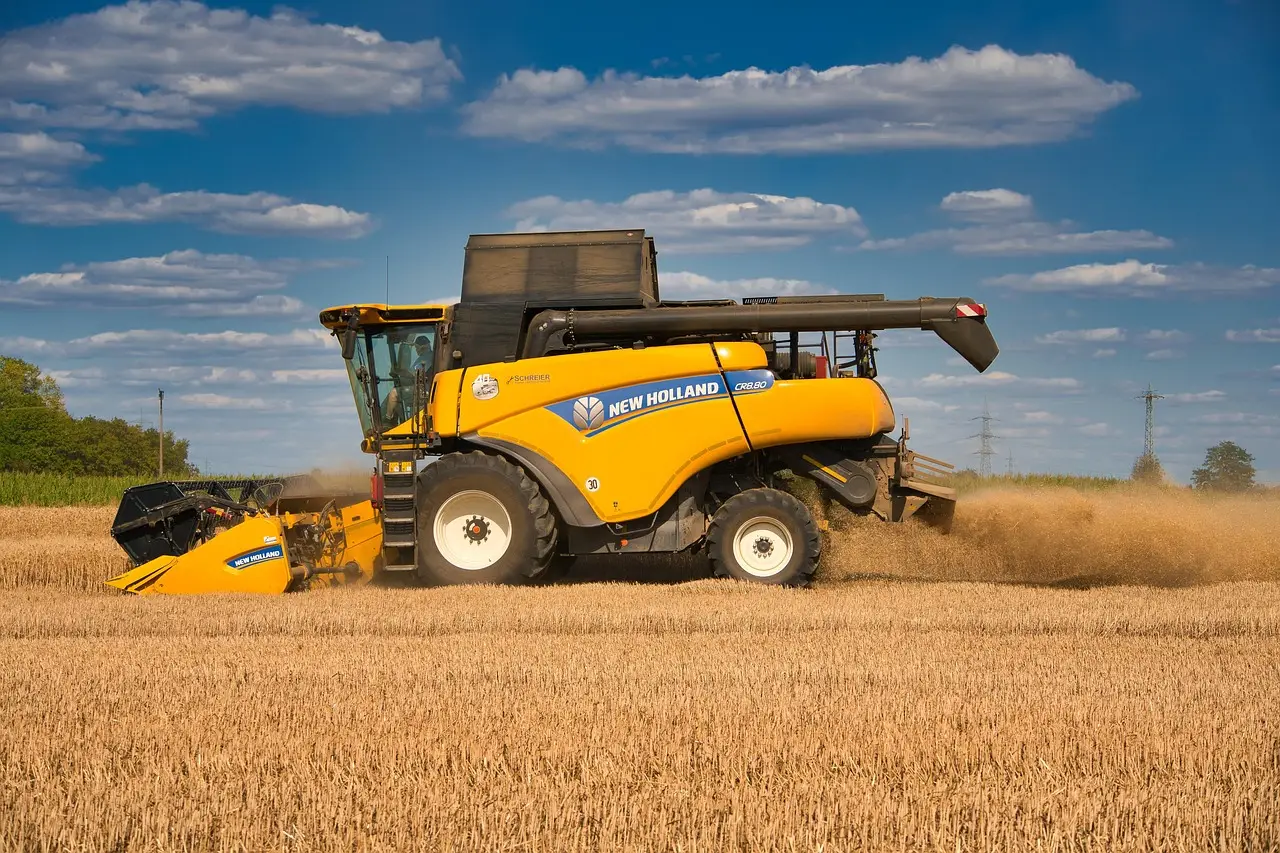
Lee Lubbers of Gregory, South Dakota, harvested 130.27 bushels per acre of dryland winter wheat this season, the winning entry in the National Wheat Yield Contest's dryland winter wheat category, in a year when 80% of wheat acres across south-central South Dakota posted zeroes.
Lubbers, who farms 5,000 to 6,000 acres of wheat, also won this contest in the previous cycle. That earlier mark came with AgriPro SY Wolverine seed, and every entry he filed this year was an AgriPro variety. The National Wheat Foundation runs the contest to push the envelope on wheat yields and grain quality.
What held a zeroes season together?
"We didn't zero anything out," Lubbers said. "We kept looking at our wheat, and we felt it had potential. We're terribly dry and had multiple freezes. We came to a really good crop."
Beyond variety selection, he credits a set of disciplined practices: certified seed every year, planting to population rather than pounds of seed, 100% no-till acres, and attention to soil health and organic matter. Planting into untilled residue, he explains, lets the farm hold onto more moisture, which is the deciding factor in dryland production.
He also treats scouting as a cost-control measure rather than a discretionary task. "We do believe in not just planting our crop and forgetting about it," he said. "Yeah, we stay proactive on disease stuff like that because we know if we lose bushels to disease, we can't get those bushels back."
On the seed itself: "It's been very good for us," he said. "They have a real extensive testing from Texas to Canada, so they get a lot of good testing, so you can get a good feel for the varieties." He has had success with both WestBred and AgriPro brands.
How much room is left on the yield curve?
The 130.27-bushel result sits below his previous contest-winning mark of more than 138 bushels per acre, and he has recorded 150 and 170 bushels per acre on his yield monitor. "So we feel we're headed in the right direction," he said. "We're starting to get consistency. You know, it's not just one field that's good. We're starting to get, you know, large parts of our farm very consistent."
Conditions did not cooperate. Lubbers described severe dryness plus multiple freezes in April and May, and early-summer conditions that reached D3, the extreme category of the U.S. Drought Monitor. He finished harvest around July 25.
What did the autumn rains change?
Rains since October have largely erased drought from South Dakota and rejuvenated soils. The flip side is a slower corn harvest for Lubbers, though his winter wheat crop is looking better than last year's. "Our grass is greener now in November than in May," he said.
Why plant wheat under irrigation?
Marvin Schumacher of Pierre, South Dakota, another no-till farmer, took the irrigated spring wheat title with 83.40 bushels per acre of Hughes Limagrain Cereal Seeds Hammer AX, the first time he planted that seed. He also grows wheat seed for Sioux Nation in Ft. Pierre. Spring dryness and uneven emergence complicated his stands, and corn fields north of him failed to produce a crop at all. "We actually ended up with pretty decent yields for the year, and I think I attribute a lot of that to the success of the no-till," Schumacher said.
Schumacher said 83 bushels is a number he is grateful for but would not normally consider a contest-worthy figure under irrigation, where yields typically run higher and few growers plant wheat at all. He keeps the crop for what it leaves behind: "It adds to the corn yield the following year, and so that's kind of our focus on it." He also enters the contest to support the wheat growers association and the wheat commission, which he credits with doing a lot of work for wheat growers.
Who took the other upper Midwest titles?
- Dryland winter wheat: Lee Lubbers, Gregory, South Dakota — Gregory AgriPro SY Wolverine, 130.27.
- Irrigated spring wheat: Tregg Cronin, Gettysburg, South Dakota — Potter Sioux Nation Slingshot AX, 100.04; Marv Schumacher, Pierre, South Dakota — Hughes Limagrain Cereal Seeds Hammer AX, 83.40.
- Dryland spring wheat: Justin Liebl, Bottineau, North Dakota — Bottineau WestBred WB9641, 131.29 (1st); Brent Philipp, Goodridge, Minnesota — Marshall WestBred WB9590, 104.40 (3rd); Benjamin Heger, Underwood, North Dakota — McLean WestBred WB9590, 103.27; Tim Hendrickson, Bisbee, North Dakota — Towner WestBred WB9590, 103.20; Robert Holzwarth, Hazel, South Dakota — Hamlin Limagrain Cereal Seeds Cannon, 97.33; Bob Wimpfheimer, Angus, Minnesota — Pennington TCG Zelda, 89.35.
- Spring dry digital yield: Tim Hendrickson, Bisbee, North Dakota — Towner WestBred WB9590, 113.95 (1st digital); John Hofer, Milnor, North Dakota — Ransom WestBred WB9590, 86.90 (1st digital % increase); Brent Philipp, Goodridge, Minnesota — Marshall WestBred WB9590, 101.00.
What do these numbers say, and what do they leave out?
The spread between the two headline winners frames the agronomy. Schumacher's irrigated spring wheat at 83.40 bushels looks thin beside Lubbers's 130.27 dryland winter wheat, because irrigation and spring moisture in his corner of the state never gave him the same headroom. Read the other way, the same 83.40 that earns a national title under irrigation would be a failure on a dryland winter wheat field in south-central South Dakota.
The contest reports harvested yield and variety performance only. It carries no price, basis or input-cost data, so growers should read these figures as a management benchmark rather than a revenue benchmark. The practices Lubbers credits — certified seed, population-based seeding, full no-till and residue management, and active disease scouting — cost money up front and pay back only if a field survives both a freeze and a drought, and these entries show what that calculus returned this season across South Dakota, North Dakota and Minnesota.
With drought largely erased from the state and October rains regenerating soils, the question these growers will answer in the next contest cycle is whether Lubbers's consistency holds across more of his acreage, and whether Schumacher's irrigated wheat keeps banking yield for the following corn crop.
via agweek.com (Source)
More from Rebecca Stone
Show full bio
Market editor covering people, launches and day-to-day practice in Agribusiness coverage for industry professionals at Agribusiness Wire.
530 articles
Also in the yard
- South Dakota Winter Wheat Emergence Hits 96%, Well Above Five-Year Average
- Zeroed-Out North Dakota Corn Against Record Southern Minnesota Yields
- Winter Wheat Acres Seen Bouncing Back for 2027 Crop
- SDSU releases dual-purpose SD Sundog for grain and silage
- Drought stalls western Kansas corn harvest, triggers field write-offs