Lot No. LOT-3698 · offered September 26, 2026
Agricultural PolicyLot sheet
EPA and HHS to Coordinate on Glyphosate Registration Review
EPA and HHS have signed an MOU to share scientific data and expand research on glyphosate's human health effects as the herbicide's registration review continues.
Market notes
- EPA and HHS signed a memorandum of understanding to coordinate on glyphosate's registration review.
- Under the MOU, the agencies will exchange scientific information, identify data gaps, and expand research into potential human health effects.
- The agreement does not change glyphosate's legal status or impose new restrictions on growers.
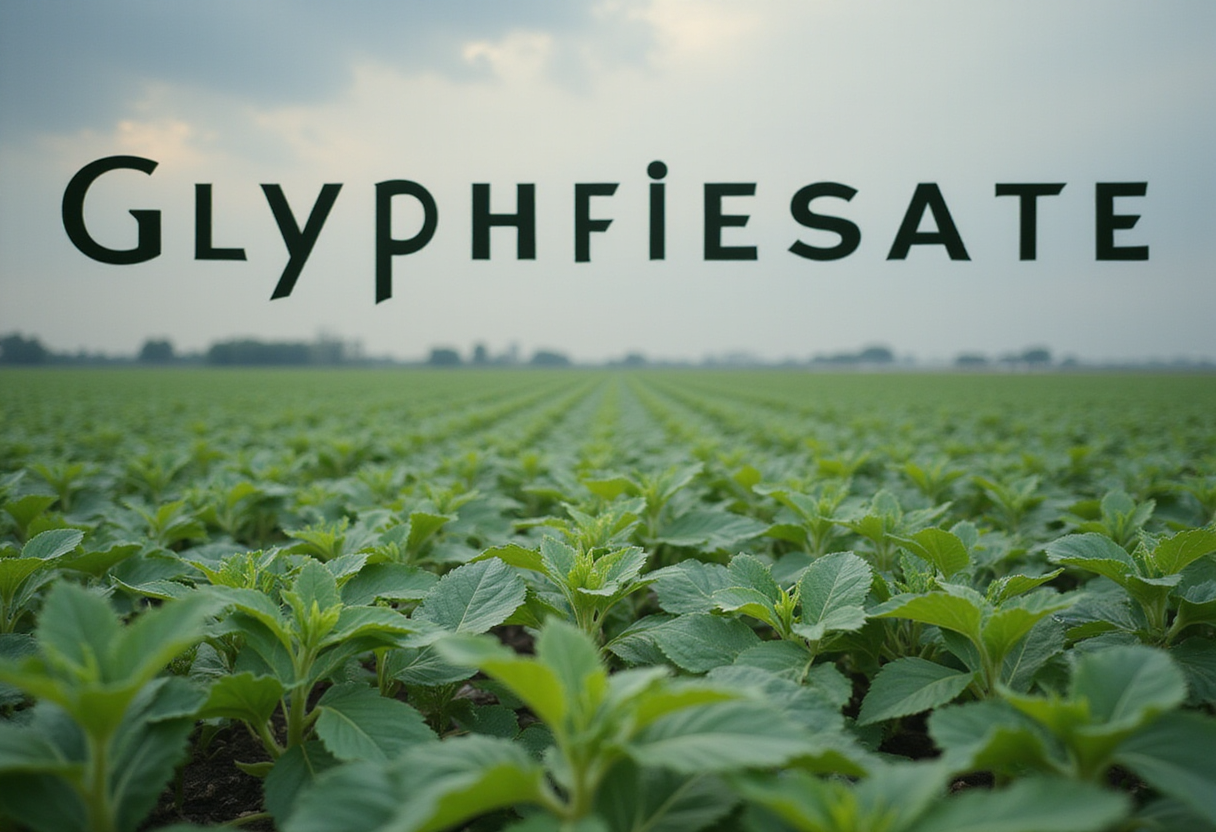
The Environmental Protection Agency and the Department of Health and Human Services have signed a memorandum of understanding to coordinate on the ongoing registration review of glyphosate, the most widely used herbicide in U.S. row-crop production.
Under the agreement, the two agencies will exchange scientific information, identify gaps in the existing data record, and expand research into potential human health effects of the chemical. The MOU formalizes a working relationship that had previously operated without a binding framework, and it arrives while EPA's registration review of glyphosate remains unresolved after years of procedural delays and litigation.
For growers, the agreement matters because glyphosate underpins weed control programs across tens of millions of acres of corn, soybeans, cotton and wheat. Any shift in the registration review — or in the scientific record that supports it — carries direct implications for input costs, since alternative chemistries and stacked trait systems typically cost more per acre than generic glyphosate formulations that now dominate the market.
The MOU does not itself change the legal status of glyphosate, and no new restrictions take effect under its terms. Instead, it establishes the mechanism through which HHS agencies, including components with toxicology and epidemiology expertise, will feed scientific input into EPA's pesticide evaluation process. That process, governed by the Federal Insecticide, Fungicide, and Rodenticide Act, requires EPA to periodically re-examine every registered pesticide against current safety standards.
EPA has faced pressure from multiple directions on glyphosate. Grower groups and input makers have pushed for regulatory certainty so that product labels and use patterns remain stable across planting seasons. Public health advocates and some researchers have argued the agency's human-health assessment has not adequately addressed certain endpoints, a contention the manufacturers dispute. The courts have repeatedly returned EPA's endangered species determinations for the chemical, adding to the review's timeline.
By bringing HHS into the process formally, the agreement signals that the health-effects questions — rather than purely ecological ones — will receive sustained interagency attention as the review proceeds. The agencies committed to sharing data and mapping where the evidence base is thin, which could shape the research agenda and, ultimately, the scope of any conditions attached to continued registration.
A tighter data exchange could also affect how quickly EPA can complete its review. Registration reviews that stall in litigation or data-gathering create planning uncertainty for retailers, co-ops and farmers budgeting herbicide programs a season or more in advance. A defined interagency channel gives stakeholders at least a clearer view of which questions regulators still consider open.
The next concrete signal for the ag sector will be whether the coordinated review produces new data requirements or risk assessments that move glyphosate's label conditions, application rates or spray-window restrictions. Until then, the MOU stands as a framework agreement: it promises expanded research and better coordination, but delivers no verdict on the herbicide itself.
via Feedstuffs (Source)
More from Olivia Hart
Show full bio
News editor covering media and advertising at Agribusiness Wire.
138 articles
Also in the yard
- Ag Groups Warn Crop Protection Access At Risk in House Farm Bill Debate
- EPA Clears Three New Crop Protection Products For U.S. Growers
- EPA Clears New Crop Protection Tools; ASA Welcomes Soyboost
- Soybean Growers Welcome New Crop Protection Tool Approvals
- Supreme Court's 7-2 Roundup Ruling Reshapes Pesticide Liability