Lot No. LOT-6928 · offered September 29, 2026
Commodity MarketsLot sheet
Grains Tumble as China Summit Yields No New Ag Purchase Deals
Grain and cotton futures crashed as the U.S.-China summit produced no new ag deals. Roose sees December corn at $4.00 and soybeans near $10.00 as fund longs unwind against record South American supply.
Market notes
- Grain and cotton futures fell sharply on fund liquidation after day one of the U.S.-China summit produced no new agricultural purchase agreements.
- Treasury Secretary Scott Bessent said the October verbal deal for 25 million metric tons of soybeans per year for three years stands, but nothing is in writing.
- Don Roose of U.S. Commodities targets December corn at $4.00–$4.20 and soybeans at $10.00–$10.50, with funds record long and charts in downtrends.
- Brazil soybeans run about 80 cents cheaper than U.S. supplies at the Gulf, undermining the 8 MMT old crop purchase idea floated February 4.
- Record cash cattle traded at $265–$268 in the North, but futures closed lower; the Kansas wheat tour found yields slightly better than expected.
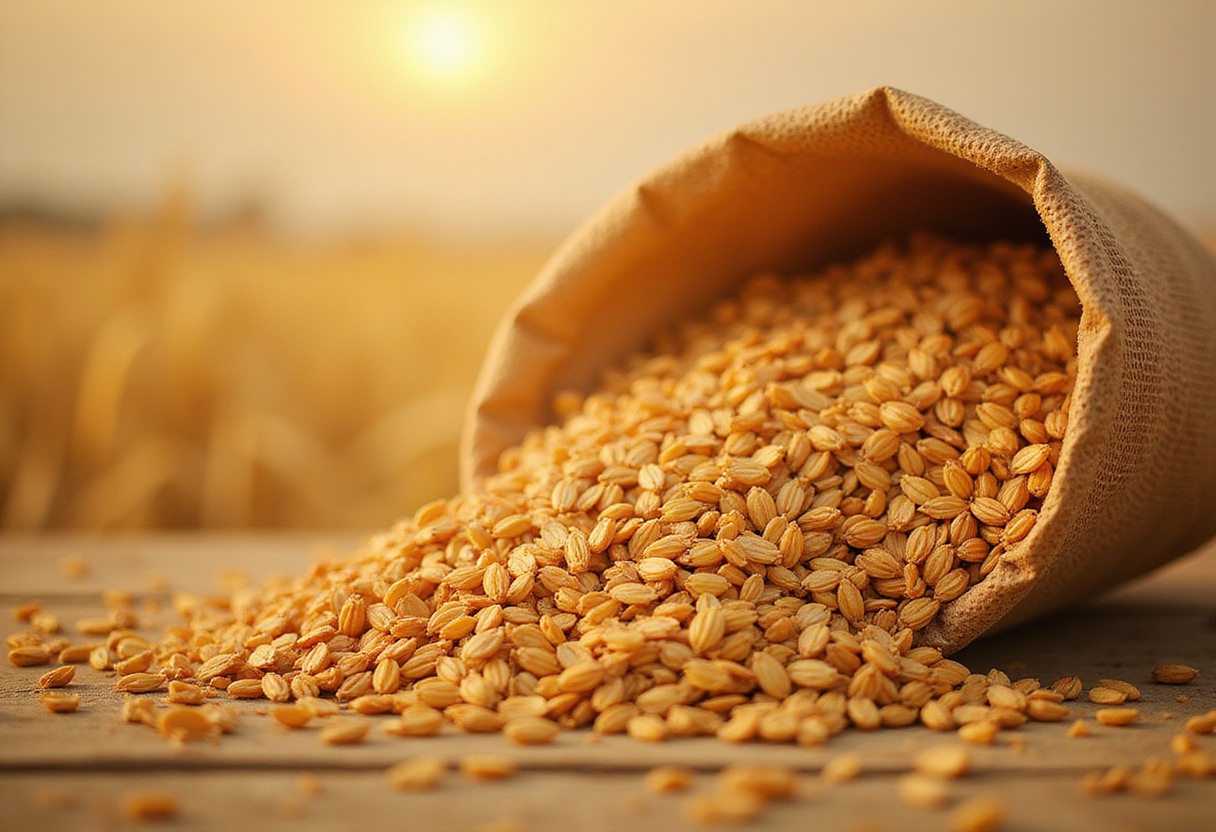
Grain and cotton futures crashed Thursday as profit taking and fund liquidation swept the board, with traders disappointed that day one of the U.S.–China summit produced no new agricultural purchase agreements. Soybeans took the brunt of the selling, according to Don Roose of U.S. Commodities.
"We had some optimism that we were going to get some kind of a big trade deal with China. So, we went in with a lot of optimism and I think as we look at it so far there just really isn't anything new or anything concrete," Roose says. "In fact, it seems like some of the other bigger focuses on like jets and some of these outside things versus the ag products."
U.S. Treasury Secretary Scott Bessent said China does not need old crop soybeans, though the original 25 million metric ton soybean agreement struck in October remains in place. Nothing is in writing. Roose notes that commitment — 25 million metric tons per year for three years — merely matches historical trade flows of at least the past decade, so it offers no incremental demand.
"That's pretty much what we've had over history or at least the last 10 years. So nothing really big on that one either," he says.
The trade had long questioned the 8 million metric tons of old crop soybean purchases President Trump announced on social media February 4. Roose says the economics never supported it: Brazil soybeans sit roughly 80 cents cheaper than U.S. supplies at the Gulf, and Chinese negotiators have stressed price-conscious "fair trade" in the summit. USDA also raised soybean exports 100 million bushels in the latest WASDE for 2026-27, a figure Roose calls "iffy" given the competition.
Rumors that both countries might drop their 10% tariffs for six months remain unconfirmed. Even if they do, Roose says South American soybeans and corn stay cheaper than U.S. offerings, leaving American growers to compete in a world market where "China is pretty well bloated with soybeans."
Technical damage mounts
The washout did real chart damage. New crop soybeans had trended higher for nearly a month but closed in a downtrend. Corn, old and new crop, turned lower along with soybean meal, and soybean oil broke down starting Wednesday. Wheat, in Roose's words, is "the one that's still holding on the ventilator."
With funds holding record long positions across the grains, Roose sees follow-through selling risk. "When you have a market turning into a downtrend and you're overbought, which we still are... you've got to be pretty concerned here," he says. "Needs to bounce back at the end of the week significantly."
On price targets, he sees December corn eventually trading $4.00 to $4.20, possibly $3.80 to $4.00, and soybeans at $10.00 to $10.50, perhaps $9.80 to $10.00 — though farmers are unlikely sellers at those levels. He puts the market firmly in risk-management territory.
Crop ratings due soon, June acreage data, and weather will drive the next moves. Timely rains are forecast for the heart of the Corn Belt, benefiting dry areas in the Dakotas and Nebraska, while western Texas, Oklahoma, and far western Nebraska may stay shut out.
Wheat priced out of export market
Wheat fell on spillover selling, with soft red winter contracts reversing from new highs in a hook reversal. Roose says the market may have already priced the shock of a 54-year low U.S. crop, but the real problem is demand: exporters show no interest at current price levels. The Kansas Wheat Quality Council Tour wrapped up Thursday with daily yield summaries slightly better than the trade expected.
"The numbers are the numbers, but it's more important how you react to the numbers," Roose says. "The market's told us that we've got plenty dialed into the market."
Cattle fade after record cash trade
Cattle futures could not hold gains despite record cash trade in the North at $265 to $268 and Southern volume at $260 to $262. Roose thinks front-end supplies are bloated and heavier cattle are coming in the next 30 days. Beef demand is in question as the boxed beef rally stalls, though a wide basis limits how far futures can fall in a cash-led market.
Lean hogs also stumbled. Roose says hog numbers run bigger than anticipated after the market built disease-premium rallies to $112–$113 in summer months, and he wants to see whether seasonals and demand can lift the market from here.
via assets.farmjournal.com (Original)
More from Rebecca Stone
Show full bio
Market editor covering industry trends and analytics at Agribusiness Wire.
135 articles
Also in the yard
- China Needs $1.2 Billion Weekly in U.S. Ag Buys to Hit 2026 Pledges
- Grain Markets Waver as Trump-Xi Summit Yields No New Ag Commitments
- Soybeans Lead Grain Losses as China Tariff Deal Excludes Beans
- Trump-Xi Meeting Extends Trade Truce, But Farmers Get No New China Sales
- Soybeans Slide to Four-Month Lows as Trade Deal Excludes Crop