Lot No. LOT-7386 · offered September 28, 2026
Trade & ExportsLot sheet
Trump-Xi Meeting Extends Trade Truce, But Farmers Get No New China Sales
Trump and Xi extended their trade truce through January but announced no new farm purchase commitments, pulling grain futures lower and leaving export demand unresolved.
Market notes
- Trump-Xi meeting extended the U.S.-China trade truce, with negotiations continuing through January.
- No new agricultural purchase commitments were announced, disappointing farm groups.
- Grain futures traded lower on the news.
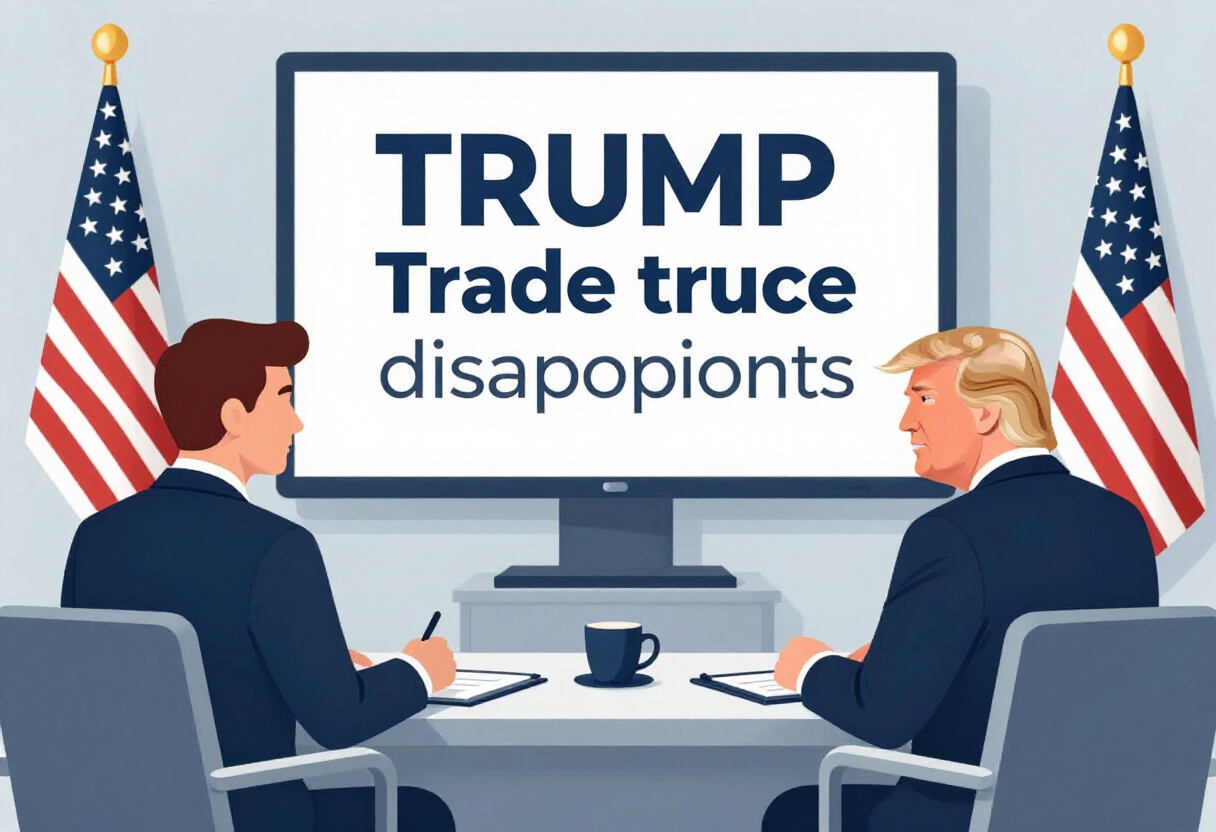
The Trump-Xi meeting extended the U.S.-China trade truce through January, but the two leaders announced no new agricultural purchase commitments — and grain futures traded lower in response.
For U.S. growers, the outcome lands as a deferral rather than a breakthrough. Negotiators agreed to continue talks through January, keeping the existing truce in place and averting an immediate escalation in tariffs. What the meeting did not produce is the item farm groups have pressed for since the trade war began: firm Chinese commitments to buy U.S. soybeans, corn, wheat, sorghum and other farm goods in specified volumes.
The market reaction was immediate. Grain futures moved lower as traders priced in the absence of new demand from the world's largest soybean importer. For farmers holding unpriced bushels, the session reinforced a familiar dynamic: headline risk on export demand now moves basis and cash prices as much as supply fundamentals do.
The disappointment is sharpest in the farm belt, where the 2018-2019 trade dispute saw China slash purchases of U.S. soybeans and shift sourcing to Brazil. That disruption restructured global oilseed trade flows, and U.S. exporters have been working to claw back share ever since. A truce without purchases means the demand side of the balance sheet stays unresolved heading into the new year, leaving producers to make marketing and input-purchasing decisions against open questions about their largest export customer.
The extension does buy time. A continued truce reduces the near-term risk of retaliatory tariffs that would hit farm goods and the equipment and input supply chains tied to them. Fertilizer, chemical and machinery costs have already absorbed tariff-driven volatility, and a renewed escalation would add pressure to farm margins already squeezed between soft commodity prices and elevated input bills.
What January's negotiating window can deliver remains the operative question for agriculture. Farmers and their cooperatives will be watching for concrete purchase commitments — actual tonnage and delivery schedules, not statements of intent — before pricing recovery can take hold. Until then, the truce functions as downside protection for trade flows rather than a demand catalyst, and grain markets will keep trading on negotiation headlines.
The next inflection point arrives when the extended talks conclude, when either purchase agreements materialize or the truce's limits get tested.
via Farm Progress (Source)
More from Grace Kim
Show full bio
Correspondent covering industry trends and analytics at Agribusiness Wire.
159 articles