Offered
Crop EconomicsLot sheet
Corn Down 15–20% Since Summer Opens Feedlot Margin Window
Corn has dropped 15–20% since summer on record-large supplies, improving feedlot cost of gain — but K-State's Pendell warns cash flow, price risk and high hay costs can wipe out the gain.
Market notes
- Corn prices have declined 15–20% since summer, with soybean meal and distillers grains following.
- USDA's November report cut the national corn yield estimate from 181 to 179 bushels per acre.
- The 2026 U.S. corn crop is forecast as the second highest on record, behind 2025.
- Hay prices are much higher than a year ago due to summer drought.
- Brazil and Argentina begin harvesting between January and March, key for global grain direction.
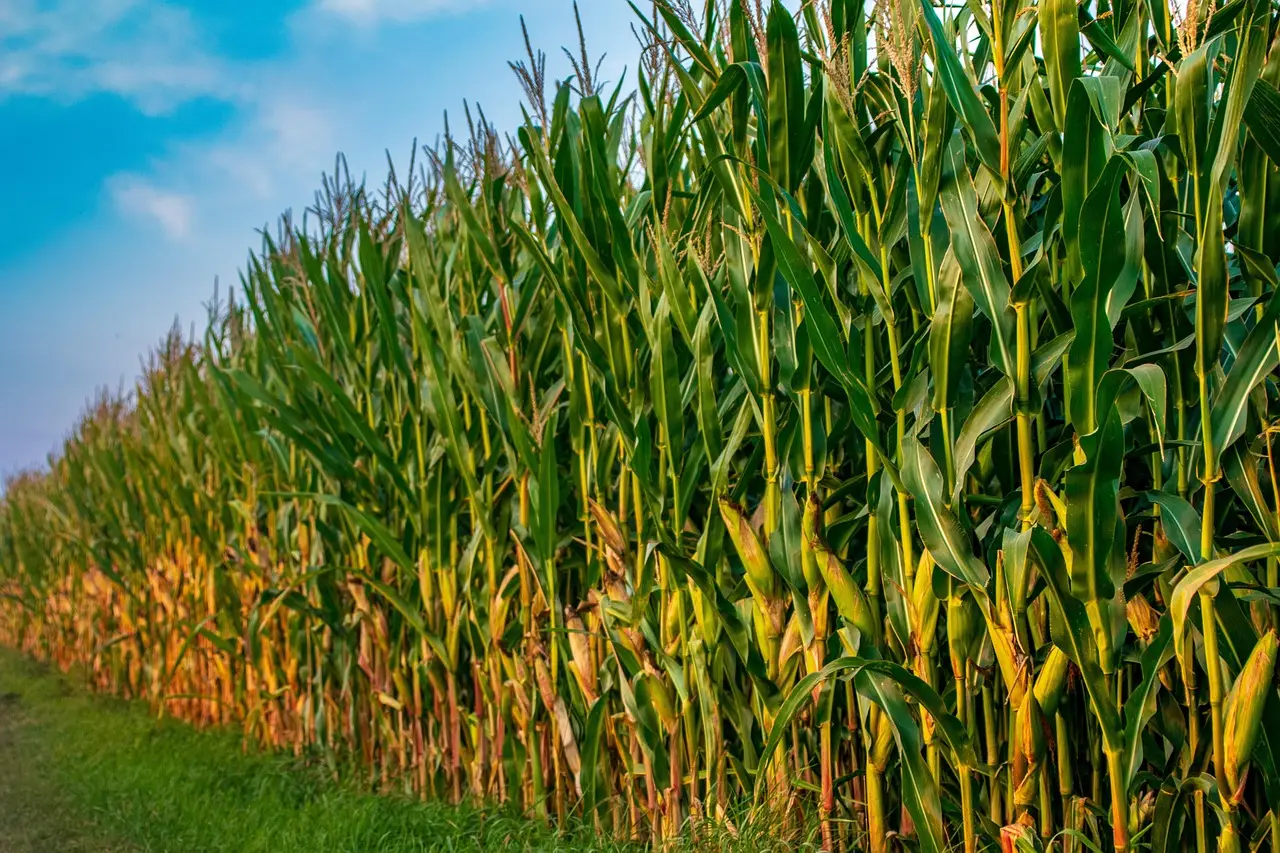
Corn prices have fallen 15% to 20% since summer, and soybean meal and distillers grains have tracked the same downward path, Kansas State University agricultural economist Dustin Pendell said. For cattle feedlots, that decline directly improves cost of gain and breakeven math — but Pendell was quick to attach a caveat to every opportunity he listed.
Abundant supplies sit behind the slide. A USDA grain stocks report in September found more old-crop corn than expected, and the 2026 U.S. corn crop is forecast as the second-largest on record, behind only the 2025 harvest. USDA initially lifted its national yield estimate to 181 bushels per acre, then trimmed it to 179 in the November report. The revision cut projected production by several hundred million bushels, yet supplies remain large. Grain exports have also run below year-ago levels in 2026.
"If we have good crop production, which we have this year, that's going to just translate to lower prices, which is obviously better for livestock producers," Pendell said.
What do cheaper rations change at the feedlot?
Lower grain costs give feedlot operators more flexibility on purchase weights and days on feed. Pendell said feeding lighter-weight calves becomes more economical because the cost of pushing them to market weight drops.
"We're already keeping cattle in the feedlot a long time compared to historically," he said. "But it just makes it cheaper to keep those animals and feed them."
The effect could reach past the yard. Feedlots with cheaper rations may bid more for feeder cattle, which would support feeder prices and open doors for stocker and cow-calf operators. For cow-calf herds, stronger bids plus cheaper feed could make backgrounding or retained ownership more attractive — if the added weight covers feed, labor and other costs.
"I think it's always good to put the pencil to paper and just sketch it out and see if it makes sense," Pendell said.
How real is the margin gain?
Not automatic, by Pendell's own account. If feeder cattle prices fall while producers hold calves, the extra investment can erase the expected benefit. He pointed to risk management tools — feeder cattle futures and Livestock Risk Protection insurance — as hedges against price declines.
On the buying side, producers locking in grain at current levels face the risk that prices rebound. Pendell listed the available strategies:
- Futures or options positions
- Forward contracts with suppliers
- On-farm storage, where capacity allows
The right choice, he said, depends on each operation's finances, storage and expected feed needs.
Hay complicates the picture. Summer drought pushed hay prices well above year-ago levels, and higher diesel costs raise the freight bill for operations hauling hay from outside their area. Cheaper corn and distillers grains may substitute for some hay in cow-calf feeding programs, but lower grain prices do not guarantee lower total feed costs for every operation.
What about expansion and the months ahead?
Cheaper grain could also cut the cost of developing replacement heifers, improving the economics of herd expansion. Cash flow, however, gates that decision. A producer who planned to sell weaned calves to repay an operating loan may not be able to retain animals, however attractive the backgrounding math looks on paper.
"But if you're thinking about maybe keeping back calves to background a little longer, or maybe retain ownership, another thing that one would need to consider is cash flow," Pendell said.
Looking forward, he flagged South American production as the variable to watch. Brazil and Argentina typically harvest between January and March, and their supplies will help set the direction of global grain markets.
"Just because the feed prices are cheaper, that doesn't necessarily mean better returns," Pendell said. Producers, in his framing, should run their own costs, marketing plans and financial positions against the current price environment before assuming the margin gain is theirs.
via High Plains Journal (Source)
More from Olivia Hart
Show full bio
News editor covering technology and product news in Agribusiness coverage for industry professionals at Agribusiness Wire.
558 articles