Lot No. LOT-1562 · offered September 29, 2026
Trade & ExportsLot sheet
Trump-Xi Meeting Could Reshape Global Agricultural Trade Flows
AgroLatam reports a potential Trump-Xi meeting could redraw global agricultural trade, with Brazil and Argentina's China market share and U.S. export basis both hanging in the balance.
Market notes
- AgroLatam reports a potential Trump-Xi meeting could reshape global agricultural trade flows.
- No date, venue, or agenda for the meeting was specified in the report.
- South American exporters and U.S. suppliers face inverse stakes over Chinese demand for soybeans, grains, and protein.
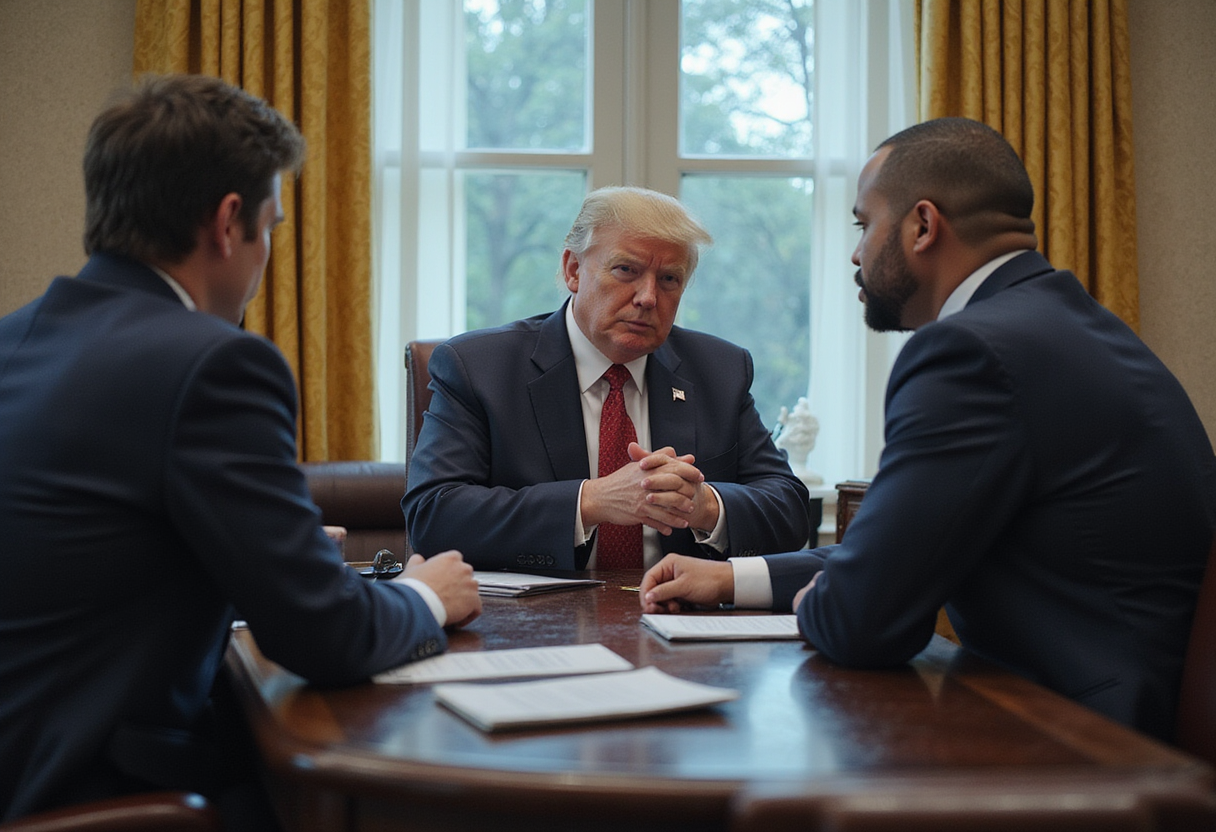
A potential meeting between U.S. President Donald Trump and Chinese leader Xi Jinping could redraw the map of global agricultural trade, according to a report from the Latin American agribusiness outlet AgroLatam.
The report frames the prospective summit as more than a diplomatic formality. For commodity exporters across the Americas, the stakes center on a single variable: which suppliers secure preferential access to China, the world's largest importer of soybeans, grains, and protein.
Trade relations between Washington and Beijing have carried direct consequences for farm margins since the tariff disputes of the late 2010s. When Chinese buyers shifted purchasing away from the United States, Brazil and Argentina captured displaced soybean and corn demand, and South American crushers expanded crushing capacity to match. Any normalization between Trump and Xi would put that realignment back in play, with implications for basis levels at Gulf ports, Brazilian fob premiums, and the planting decisions of growers on both sides of the equator.
For U.S. producers, the question is whether a negotiated détente restores China as a reliable buyer of American soybeans, sorghum, pork, and dairy. For their South American competitors — the cooperatives and exporters tracked by AgroLatam's readership — the inverse question applies: whether hard-won market share in China survives a thaw in U.S.-China relations, or whether Beijing reverts to U.S. supply as a pricing lever against Brazilian sellers.
The report does not specify a date, venue, or agenda for the meeting, and no communiqué from either government accompanies it. That gap matters for analysts. Summit announcements in this space have historically moved grain and oilseed futures before any implementing detail emerges, and condition-report-style speculation about outcomes should be separated from executed purchase agreements. Actual trade flows, vessel lineups, and customs data will confirm or refute whatever understanding the two leaders reach — not headline sentiment.
Input costs sit downstream of the same uncertainty. Freight rates, currency movements in the real and the peso, and fertilizer pricing — itself shaped by Chinese export policy on urea and phosphates — all respond to shifts in the U.S.-China relationship. A durable agreement could stabilize several of those variables at once; a failed meeting could push risk premia back into basis and ocean freight.
AgroLatam positions the meeting as a potential inflection point for agricultural trade rather than a settled outcome, and the distinction is worth preserving. Exporters, cooperatives, and buyers across the hemisphere will be watching for the first concrete signals — purchase commitments, tariff schedules, or phytosanitary protocols — before adjusting positions. Until those documents surface, the reshaping of global agricultural trade remains a scenario, not a fact, and the market's next move depends on what the two governments actually sign.
via Google News: Agricultural trade (Source)
More from Grace Kim
Show full bio
Correspondent covering industry trends and analytics at Agribusiness Wire.
159 articles
Also in the yard
- China Pledges Bigger Domestic Grain Push, Leaves US Soybeans Out of Tariff Relief
- China Tariff Cuts Leave U.S. Crop Demand in Question
- U.S.-China Summit Ends Without Resolution on Agricultural Trade
- China and US Move Toward Farm Tariff Cuts in Major Win for Agricultural Trade
- U.S.-China Trade Deals Could Lift Farm Exports and Ease Tensions