Lot No. LOT-6293 · offered October 26, 2026
Seeds, Crop Protection & FertilizerLot sheet
Zeroed-Out North Dakota Corn Against Record Southern Minnesota Yields
Al Bass of Mustang Seeds: North Dakota yields zeroed out by drought while southern Minnesota set records, with stalk quality and weed control shaping 2027 planning.
Market notes
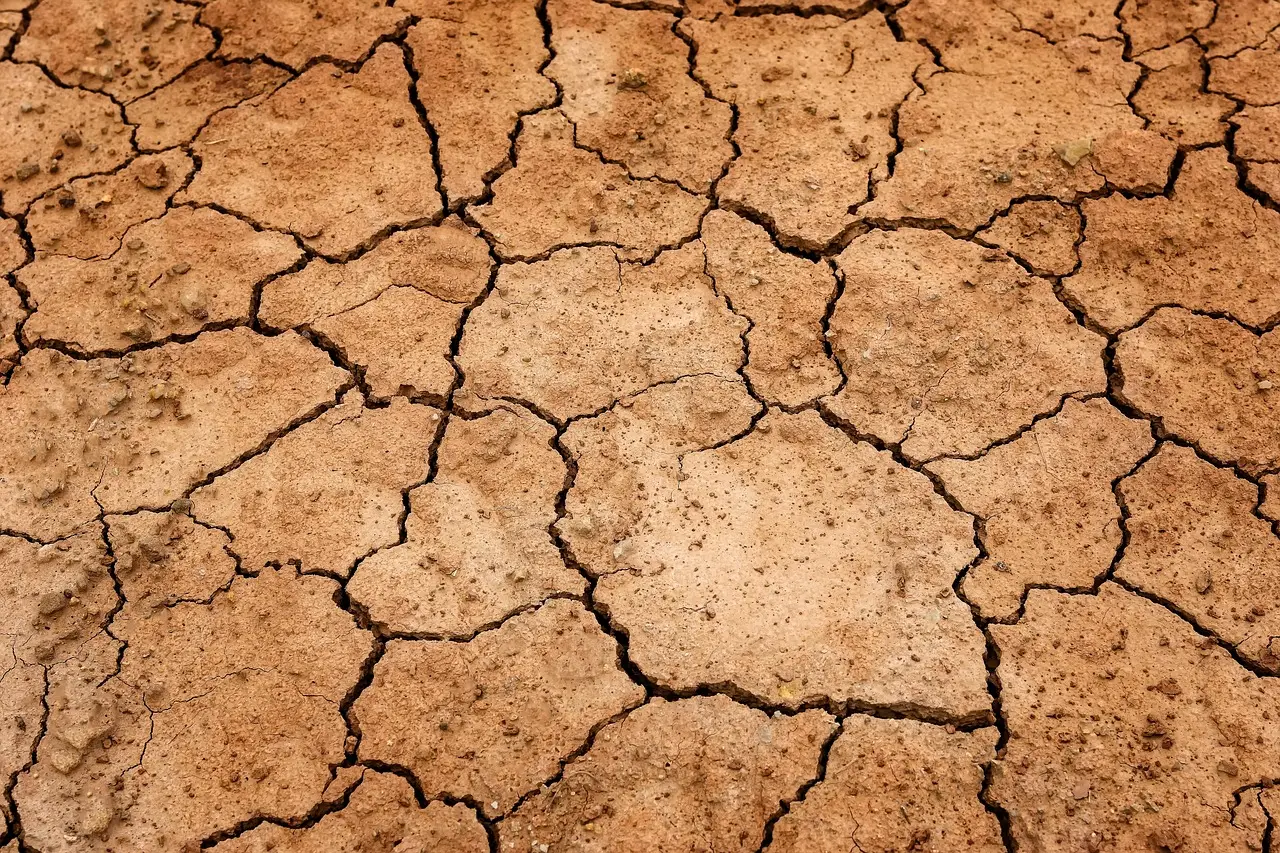
- Parts of North Dakota were so dry in 2026 that corn yields were zeroed out, while parts of southern Minnesota posted record-setting yields
- Mustang Seeds' territory covers Wisconsin, Minnesota, North Dakota and South Dakota
- Fertility was the management practice with the greatest effect on 2026 crop performance
- New weed-control developments from Mustang Seeds and GDM Seeds are slated for grower testing in 2027
- The interview was published by High Plains Journal on October 26, 2026
By Rebecca Stone
Parts of North Dakota produced zero corn yield in 2026 while sections of southern Minnesota posted record-setting harvests, according to Al Bass, agronomy manager at Mustang Seeds, whose sales footprint spans Wisconsin, Minnesota, North Dakota and South Dakota. In an interview with High Plains Journal's Kylie Reiss for HPJ Talk, published October 26, Bass described the season in one word: variable.
"Some areas of North Dakota were so dry that yields were zeroed out, while parts of southern Minnesota have seen record-setting yields," Bass said. "There is a lot in between, but overall there is plenty to feel positive about."
What stood out in the fields?
Yields proved encouraging where growers adjusted management, Bass said, but three problems shaped the season:
- late-season stalk deterioration in corn;
- leaf diseases arriving at different times across the region;
- persistent weed-control difficulties in soybeans.
Each issue varied by location and by product, which Bass said makes field-level records more valuable than regional averages when planning for 2027.
What should growers scout before the combine rolls?
Bass directed corn growers to stalk integrity first, especially in fields where heat and other stress hit during pollination (the pollination window when silks receive pollen and set kernels). A push test — pushing stalks sideways to reveal weak ones — identifies fields at risk of lodging (plants falling over before harvest). Growers should also check ear shanks for dropping ears.
In soybeans, moisture declined quickly in many areas, and Bass flagged anthracnose (a fungal disease that colonizes stems and pods) and standability as concerns. The instruction is simple: inspect fields before bringing in the combine.
Fields with weak stalks deserve harvest priority. Bass said corn at lodging risk may justify combining at slightly higher moisture rather than waiting and losing grain from plants on the ground — a direct trade between drying costs and field losses that shapes net margin per acre.
How should growers read the yield monitor?
Look past the highest and lowest numbers, Bass advised. Consistency across a field, a farm and many acres tells the more reliable story. Where yields excelled, identify the management or conditions responsible. Where yields lagged, investigate stress, pests and diseases so the result informs next year's seed choices.
Fertility stood out as the practice with the greatest effect on performance. It supported strong results even in some drier areas, while excessive soybean growth and lodging were concerns elsewhere. Late-season plant health also mattered: Bass urged growers to weigh how genetics, fungicide decisions and related practices keep plants functioning through grain fill.
What records matter for 2027 seed decisions?
Bass called for documentation of each field's history — fertility programs, weed management, pest and disease control, and the results those choices produced. Farmers should then compare their own observations with historical local and regional data. Mustang Seeds representatives and agronomists can help interpret portfolio testing and regional results, he said.
On rising input costs, Bass warned against broad cuts to fertility or plant-health spending. Evaluate return on investment rather than trimming inputs indiscriminately, he said. In soybeans, where weed management remains a challenge, he pointed to new developments associated with Mustang Seeds and GDM Seeds that deserve testing and evaluation for 2027. High Plains Journal noted that an uncertain product name in the original transcript was withheld pending verification, so growers should confirm specifics with their representatives.
What comes after harvest?
Finish safely, then evaluate the season thoroughly, Bass said. Compare results not only with previous years on the same farm but with outcomes across the region. Weather cannot be predicted, but field-by-field evaluation can identify manageable risks for next year. Growers can reach the agronomy team through mustangseeds.com or their local Mustang Seeds representative.
via High Plains Journal (Source)
More from Rebecca Stone
Show full bio
Market editor covering people, launches and day-to-day practice in Agribusiness coverage for industry professionals at Agribusiness Wire.
463 articles
Also in the yard
- Southwest Indiana Harvest Accelerates as Wet Season Dents 2026 Crop
- USDA: Corn Harvest Hits 18%, Matching Five-Year Average Pace
- USDA: 23% of U.S. corn harvested, trails five-year average
- Eastern Iowa Corn, Soybean Quality Holding Despite Wet Harvest Worries
- Michigan Corn, Soybeans Lag Averages but Look Better Than Expected