Lot No. LOT-6311 · offered November 19, 2026
Seeds, Crop Protection & FertilizerLot sheet
SDSU releases dual-purpose SD Sundog for grain and silage
SDSU's SD Sundog ranked eighth in yield and first in forage quality across 23 trial locations, giving growers a grain-or-silage choice when cattle prices and forage demand rise.
Market notes
- SD Sundog ranked about eighth in yield among roughly 25 varieties at 23 trial locations.
- It placed fourth for silage tonnage and first in forage quality.
- Testing followed three years of forage work and two years of state variety trials.
- South Dakota farmers chop about 100,000 acres for silage.
- SD Sundog matures 10 days earlier than Montana varieties and resists tan spot.
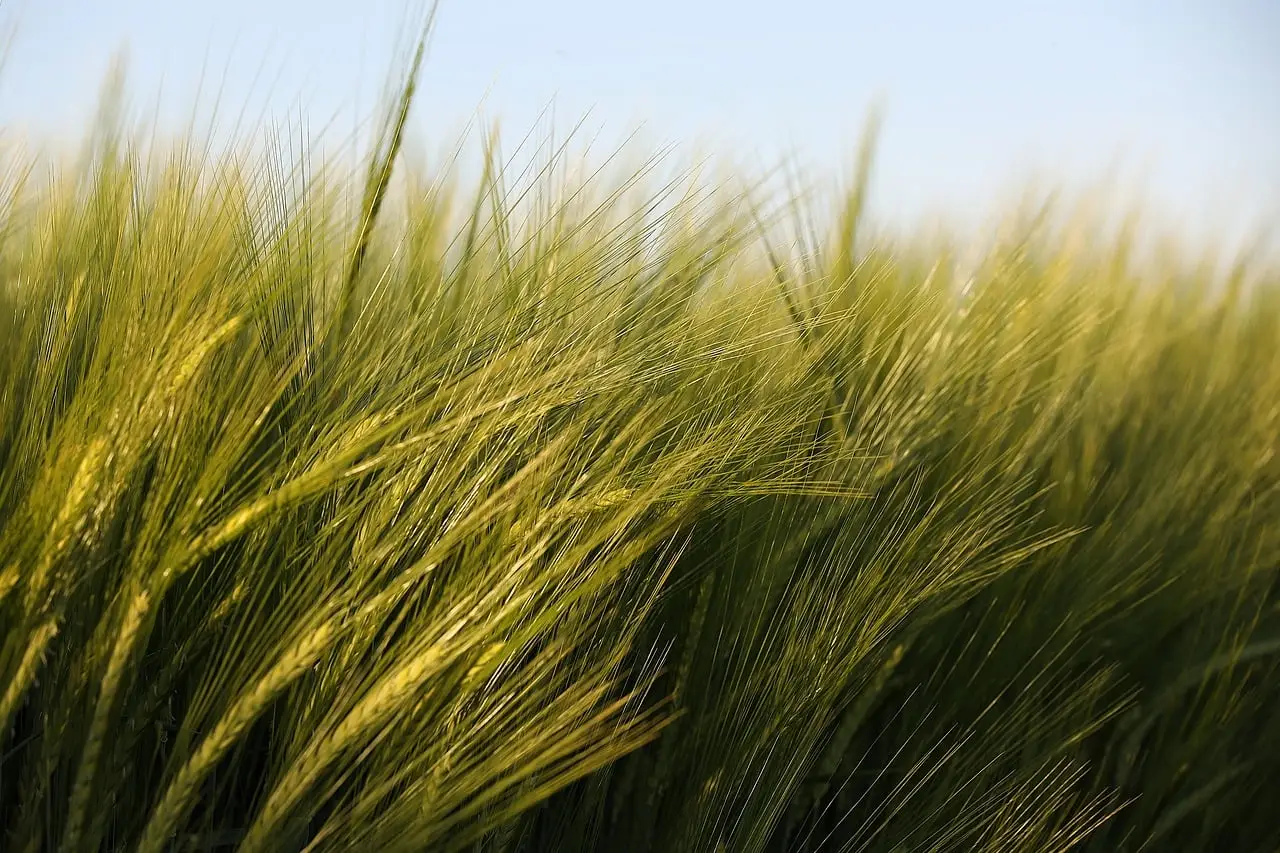
SD Sundog, a new South Dakota State University hard red winter wheat, ranked about eighth in yield among roughly 25 varieties tested at 23 locations, finishing fourth for silage tonnage and first in forage quality.
South Dakota State University released the Brookings-developed variety as its first dual-purpose hard red winter wheat, suitable for silage or grain. Certified seed growers are planting it this fall.
South Dakota farmers chop about 100,000 acres for silage, and farmers asked several years ago for a winter wheat suited to that ground, said Sunish Sehgal, SDSU professor of wheat breeding and genetics.
SDSU researchers tested forage in Pierre and Brookings and ran yield trials at multiple locations across the state. After three years of forage testing and two years of state variety trials, they selected the line now called SD Sundog.
Those rankings reflect research trials, not commercial harvested results or farm-income records. Sehgal said the line made the best bread in the testing and showed good forage potential.
What does dual purpose change for growers?
SD Sundog gives a grower two use decisions in one season: harvest grain when the market is right, or cut silage when forage needs dominate. Sehgal called it a “truly dual purpose variety that farmers can harvest for grain purposes when the market is right.” He used 2026 as an example of a drought year when cattle lacked silage from perennial grasses and “winter wheat would come in handy.”
The release included no grain price, forage price, basis figure or input-cost estimate. The margin case therefore rests on relative grain and forage values, silage-making costs and the returns from a possible second crop. Flexibility is an option, not a guaranteed premium.
Bryan Jorgensen, chief operating officer for agronomy at Jorgensen Land and Cattle and chairman of the South Dakota Wheat Commission board, said the variety lets growers keep wheat in their rotation while feeding or grazing cattle.
“This gives producers an option of not just having to grow a grain crop,” Jorgensen said. “They can keep wheat in their system, feed the cows, graze the cows if they wish, provide a feed source and still have wheat in the rotation.”
He believes SD Sundog can establish a foothold on wheat acreage, particularly in western South Dakota.
Before SD Sundog, South Dakota growers seeking dual-purpose winter wheat planted varieties from Montana because none were produced from Kansas through North Dakota. Sehgal said those outside options had problems when grown in South Dakota.
Sehgal said SD Sundog combines good grain yield with maturity 10 days earlier than the Montana varieties. It also produces enough silage to compete with those imported options. The earlier harvest can leave room for soybeans or sunflower on the same field if enough moisture remains. Montana varieties remain susceptible to tan spot, while SD Sundog resists it.
The variety is awnless and adapted to South Dakota and southern states. It also gives growers flexibility in a region where farmers chop about 100,000 acres for silage.
Its main agronomic caution is Fusarium head blight, or scab. Sehgal said SD Sundog may be susceptible to FHB, with an intermediate-to-moderate response. The problem should not affect silage because growers cut the crop before FHB can develop. For grain production, he recommends it for central South Dakota.
The USDA gave SDSU a $500,000 grant to expand dual-purpose wheat research. Researchers also received support from the South Dakota Wheat Commission and the South Dakota Wheat Growers.
Sehgal expects dual-purpose winter wheat to become more common as demand and supply respond to cattle prices and forage needs. Commercial results, not trial rankings, will determine whether grain, silage or a second crop produces the better return as those markets change.
via agweek.com (Source)
More from Nathan Brooks
Show full bio
Staff writer covering regulation, policy and their impact on Agribusiness coverage for industry professionals at Agribusiness Wire.
590 articles
Also in the yard
- 130.27 bushels per acre: no-till wins in drought-hit South Dakota
- Sorghum Silage Yields Top 11 Tons Per Acre — If Hybrids Match Water
- Sunflower Industry Presses Farm Bill for Research Dollars
- South Dakota Winter Wheat Emergence Hits 96%, Well Above Five-Year Average
- Farm Progress Outlines Four Drivers That Could Lift Wheat Above $8