Lot No. LOT-3545 · offered November 16, 2026
Seeds, Crop Protection & FertilizerLot sheet
Wheat Stem Sawfly Inflicts Up to 30% Losses; UNL Hunts Biochemical Markers
UNL researchers found antioxidant enzyme markers that differ between high and low sawfly pressure sites, a possible path to resistant wheat after further genotype trials.
Market notes
- Wheat stem sawfly can cause up to 30 percent economic loss for wheat growers.
- UNL researchers compared varieties at Sidney (high sawfly pressure) and Grant, Nebraska (low pressure, drought and heat stress).
- Sidney wheat showed significantly higher cell membrane damage; CAT enzyme response separated varieties at Sidney, APX at Grant.
- The study is among the first to test LOOH, CAT and APX as biochemical markers for sawfly response; larger genotype trials are still needed.
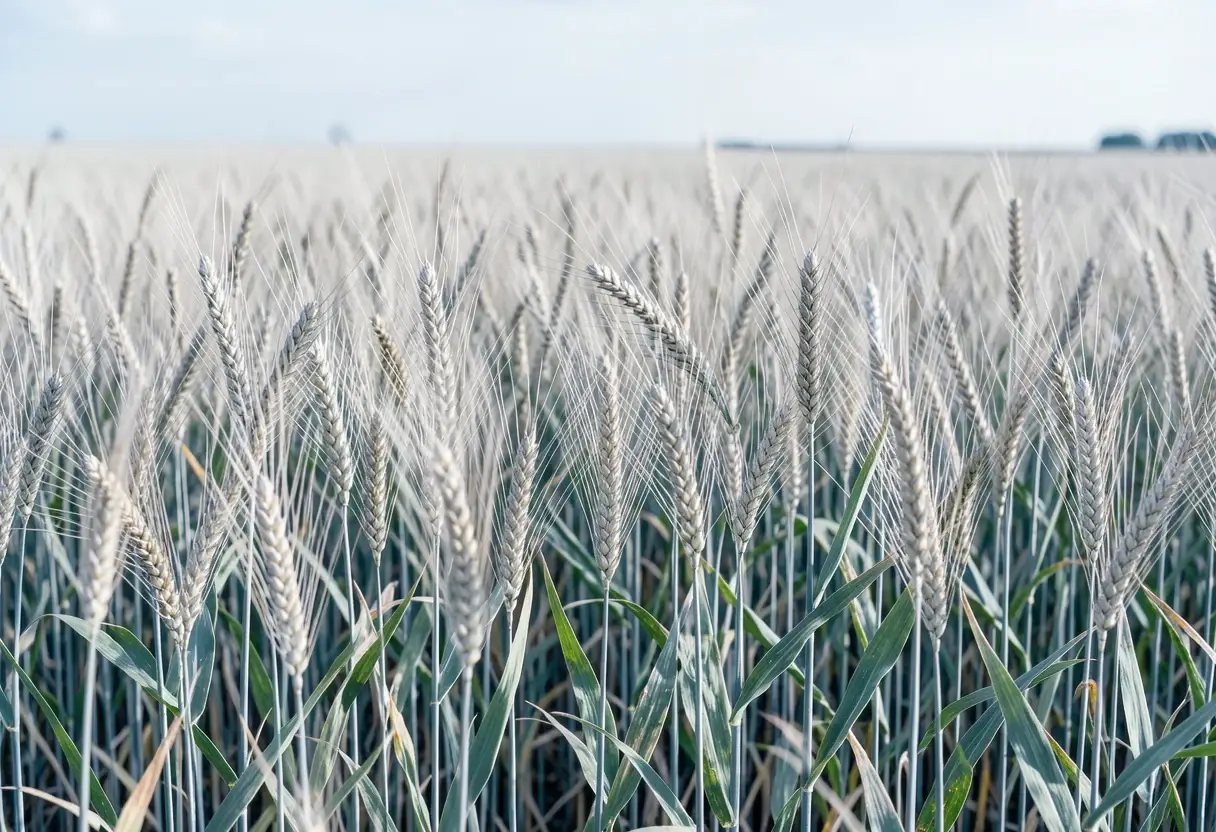
The wheat stem sawfly can strip 30 percent of a grower's economic return from a field, and researchers at the University of Nebraska-Lincoln's High Plains Ag Lab in Sidney are now testing whether plant chemistry can flag resistant wheat varieties before that loss lands.
The insect cuts yield through stem damage, lodging and reduced grain fill. Postdoctoral research associate Arvind Kumar Dubey leads the biochemical side of the work, and he frames the question in terms of what happens inside the stem, not just the visible breakage growers scout for.
"I have been particularly interested in understanding how wheat plants respond internally to wheat stem sawfly infestation, beyond the visible physical damage caused by the insect," Dubey said. "My primary interest is to investigate biochemical and physiological markers that may contribute to wheat defense mechanisms and potentially help identify wheat varieties with improved tolerance or resistance."
How the study was built
The team grew wheat varieties at two sites with sharply different pressure. Sidney carries relatively high sawfly pressure. Grant, Nebraska, carries lower sawfly pressure but plenty of abiotic stress — drought, heat and weather. That contrast lets the researchers separate which biochemical responses are specific to the insect and which simply track general environmental hardship.
The mechanism under scrutiny is well established plant physiology. Stressed or insect-attacked wheat produces reactive oxygen species. At low levels, ROS act as defense signals. Accumulated in excess, they damage cells. Wheat counters with antioxidant enzymes — catalase (CAT) and ascorbate peroxidase (APX) — to restore cellular balance.
"Our study measured lipid hydroperoxides (LOOH), an indicator of excess ROS, and CAT and APX activities, along with lipid hydroperoxides, to evaluate how different wheat varieties biochemically defend against and tolerate insect infestation and environmental stress," Dubey said.
What the two regions showed
Sidney wheat showed significantly higher plant stress and cell damage, specifically to cell membranes, than Grant wheat under sawfly pressure. Among varieties, the pattern split by site: at Sidney, certain varieties triggered CAT far more effectively than others; at Grant, APX was the enzyme that separated varieties.
The study is among the first to examine LOOH, CAT and APX activity as candidate biochemical markers for sawfly response. The caveat comes from the researchers themselves: preliminary evidence suggests these indicators can signal WSS infestation, but further testing is required. Future controlled experiments with a larger set of wheat genotypes must determine whether the responses mark sawfly resistance specifically or general environmental stress.
That distinction matters for any grower hoping to use it. A marker that fires equally under drought tells a breeder nothing about sawfly tolerance, and the current dataset does not yet rule that out.
The program behind the work
The Dryland Cropping Systems Program at UNL's Panhandle Research Extension and Education Center runs field experiments, on-farm research and Extension programming across western Nebraska and the High Plains. Its agenda covers wheat-based cropping system productivity and profitability, integrated weed management, residue and harvest strategies, drought adaptation and emerging pest threats — all based at the High Plains Ag Lab near Sidney.
For now, the enzyme data is a lead, not a product: no resistant variety, no commercial screening test and no timeline has been announced, and the next step is larger controlled genotype trials.
via thefencepost.com (Source)
More from Olivia Hart
Show full bio
News editor covering technology and product news in Agribusiness coverage for industry professionals at Agribusiness Wire.
526 articles
Also in the yard
- Avoid the 'green bridge': extension column outlines corn pest tactics
- AHDB and ADOPT field-test nature-friendly crop protection
- Soil Health Emerges as New Frontier in U.S. Crop Protection
- Brownfield: Seed treatments called critical piece of crop protection
- Researchers warn second fungal disease could match tar spot's corn losses