Lot No. LOT-5330 · offered October 9, 2026
Seeds, Crop Protection & FertilizerLot sheet
Brownfield: Seed treatments called critical piece of crop protection
A Brownfield Ag News report frames seed treatments — seed-applied fungicides, insecticides and biologicals — as a "critical piece" of integrated pest and disease management on U.S. crop farms.
Market notes
- Brownfield Ag News frames seed treatments — fungicides, insecticides, and biologicals — as a "critical piece" of crop protection strategy.
- Seed treatments are applied to seed before planting and protect seedlings through emergence and the first weeks of vegetative growth.
- Treated corn, soybean, cotton, and small-grain seed typically carries a per-unit premium over untreated seed.
- Common targets include Fusarium, Rhizoctonia, and Pythium soil-borne pathogens plus early-season insects such as wireworms, white grubs, and aphids.
- Mid- and late-season threats including tar spot, southern rust, gray leaf spot, and corn earworm require foliar applications beyond the seed-applied window.
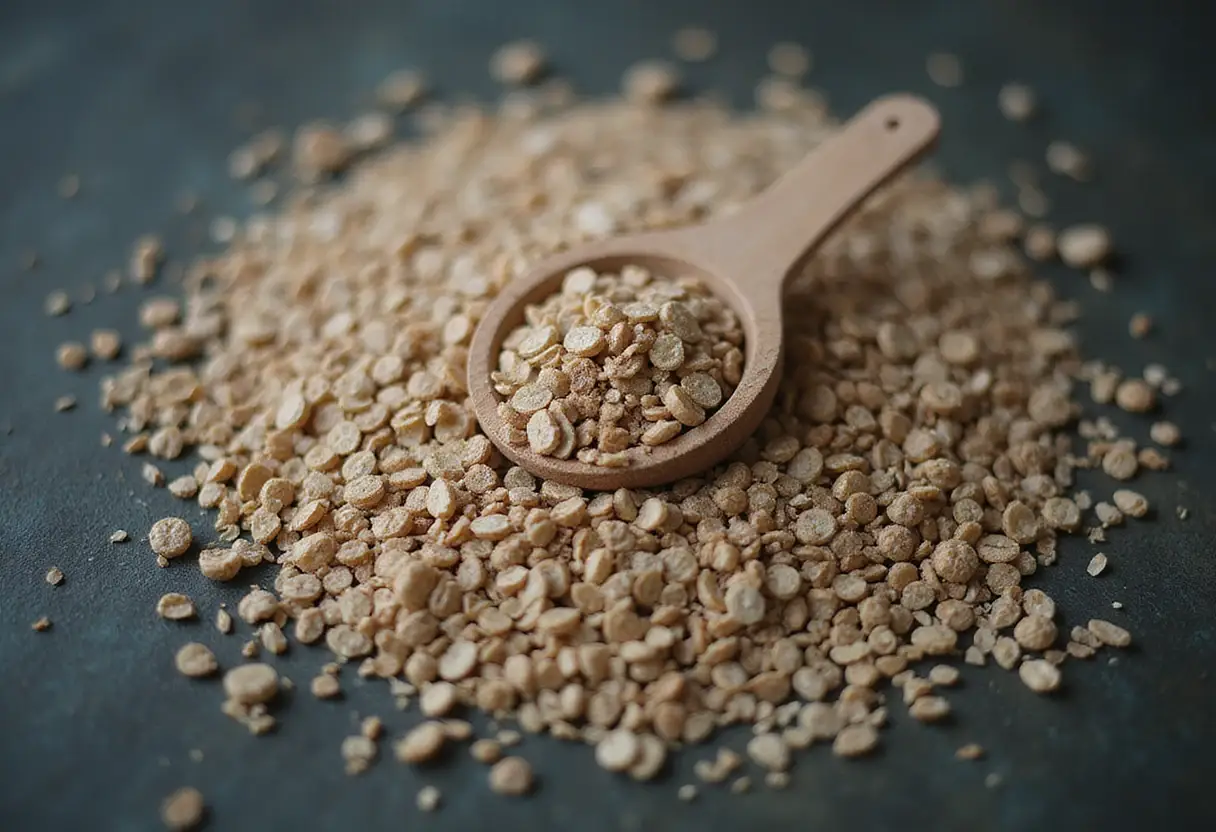
A Brownfield Ag News report frames seed treatments — seed-applied fungicides, insecticides and biologicals — as a "critical piece" of integrated pest and disease management on U.S. crop farms.
The headline observation casts seed treatments, products coated or applied directly to seed before planting, as one of the earliest defensive measures a grower deploys each season. Because treatments travel with the seed into the furrow, the active ingredient sits at the soil-seed interface where seedling roots first encounter soil-borne pathogens and early-season insect pests.
What seed treatments target
Seed treatment packages typically bundle three categories of protection.
- Fungicides address seed-borne and soil-borne fungal pathogens, including Fusarium, Rhizoctonia, and Pythium species that can rot seed or damage seedling roots before emergence.
- Insecticides control below-ground and early-feeding pests such as wireworms, white grubs, seedcorn maggots, and aphids that vector viruses into young seedlings.
- Biologicals deliver beneficial microbes through the seed coating, with products aimed at competing against soil pathogens or supporting seedling vigor.
The category has grown as a share of the broader crop protection market, with seed-applied chemistry now routinely bundled by major seed companies as a default or add-on treatment on corn, soybean, cotton, and small-grain units.
Where seed treatments fit in the spray program
Seed treatments are a preventive layer, not a rescue treatment. They protect the seedling through emergence and the first weeks of vegetative growth.
Once the crop reaches later reproductive stages, foliar fungicides and insecticides carry the load against mid- and late-season threats such as tar spot, southern rust, gray leaf spot, and corn earworm — pests and pathogens that operate above ground and well after the seed-applied dose has run out.
That distinction matters for resistance management. Seed treatments place chemistry in a narrow window of crop development at low per-acre rates, which differs from repeated foliar applications of the same mode of action. University extension recommendations counsel rotating modes of action across foliar passes to slow resistance build-up; the seed treatment window is one tool, not the whole program.
Cost position on the input ledger
Treated seed typically carries a per-unit premium over untreated seed, a fee that gets bundled into the seed invoice rather than itemized at the input retailer.
For growers weighing that cost against the alternative of replanting lost stands or adding in-season rescue sprays, the break-even calculation typically hinges on a small percentage of stand preservation or one avoided foliar pass.
In a tighter margin environment, the math gets harder on lighter pest-pressure acres, where university field trials have historically shown lower and more variable yield responses to seed treatments. Extension publications from the Midwest land-grant system repeatedly frame seed treatments as "insurance" rather than a guaranteed yield driver, with payback tied to field history, planting date, soil temperature, and pest scouting from the prior season.
Forward signal
Brownfield's framing positions seed treatments as one input among several rather than a replacement for foliar protection. Watch the seed-applied biological segment, where several ag input companies have expanded research pipelines; grower adoption there will track yield data, registration timing at EPA, and per-unit pricing against incumbent chemistry in the year ahead.
via Google News: Crop protection (Source)
More from Grace Kim
Show full bio
Correspondent covering people, launches and day-to-day practice in Agribusiness coverage for industry professionals at Agribusiness Wire.
453 articles
Also in the yard
- Seed Treatments Called a Critical Piece of Crop Protection
- Fungal infection study flagged via EurekAlert crop protection release
- Root Signals and Microbial Allies Redefine Disease Control
- Research review reframes fungal infection tactics as crop protection roadmap
- EPA Registers Vive Crop Protection's Bifender Duo for Soil Pests