Lot No. LOT-6798 · offered September 29, 2026
Commodity MarketsLot sheet
USDA Yield Test Meets Returning Chinese Soybean Demand
December corn climbed to $5.32 as analysts brace for USDA to cut the corn yield to 178.2 bpa, while China's 1 MMT soybean purchase tightens the harvest marketing picture.
Market notes
- Analysts expect USDA to cut the 2026 corn yield to 178.2 bpa, down from 180.7 bpa in August, with production at 15.785 billion bushels.
- China bought roughly 1 million metric tons of U.S. soybeans in one week, plus USDA-reported private sales of 340,000 MT for 2026-27 delivery.
- USDA rated 56% of corn good to excellent, down from 68% a year ago; 26% of soybeans were dropping leaves, ahead of the five-year average of 20%.
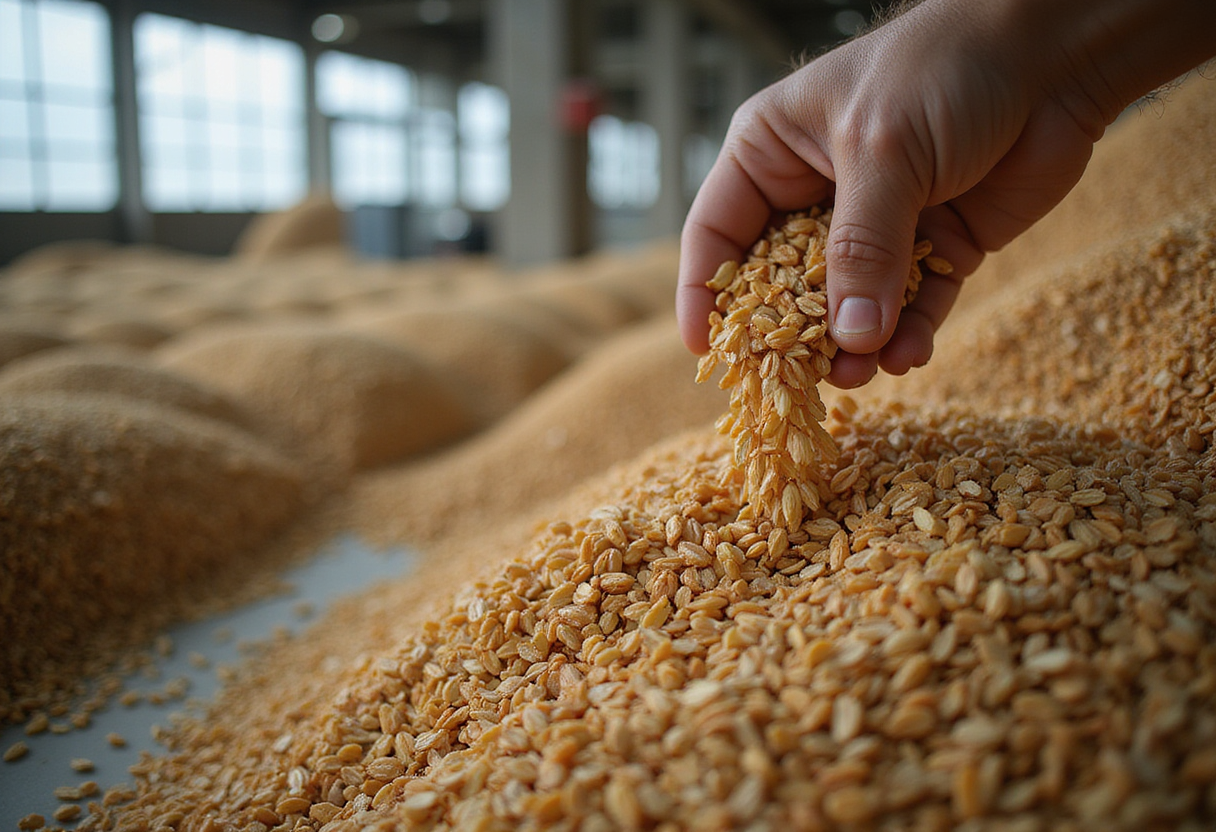
December corn futures rose 4.25 cents overnight on Sept. 10 to $5.32 per bushel, snapping five consecutive declines and holding within reach of the three-year intraday high of $5.4975 set Sept. 2. The rally comes as traders position ahead of USDA's Crop Production report, which analysts expect will cut the 2026 corn yield to 178.2 bushels per acre from the August estimate of 180.7 bpa, according to a Reuters survey.
The stakes for growers are direct. The national average cash corn price sat just under $4.81, with basis at 46.75 cents below December futures. For farmers approaching harvest, that spread puts storage decisions, basis improvement and immediate cash needs at the center of the marketing calculus as combines prepare to roll across the Midwest.
Corn Yield Cut Expected
The analyst consensus of 178.2 bpa would fall well below the final 2025 yield of 186.5 bpa. Extreme heat and excessive rainfall hit different areas of the Midwest late this summer, driving expectations that USDA will trim its production outlook. Analysts anticipate corn production of 15.785 billion bushels, down from USDA's August forecast of 16 billion. Soybean production is expected at 4.501 billion bushels, versus USDA's previous 4.519 billion.
The trade carries a risk for bullish positions: if USDA cuts the corn yield by less than the market expects, futures could face another corrective slide as funds take profits, narrowing the pricing window available to producers during harvest.
Crop condition data reinforce the supply-side focus. USDA rated 56% of the corn crop good to excellent, down from 58% a week earlier and 68% at the same point last year. Another 26% rated fair, and 17% fell into the poor or very poor categories. Analysts expect 2026-27 corn ending stocks to decline to 1.528 billion bushels — roughly 7.6% below USDA's August estimate and 21% below the projected 2025-26 carryout.
China Returns to Soybeans
Soybeans add a second variable. China reportedly purchased about 1 million metric tons — 36.7 million bushels — of U.S. soybeans during the week, helping November futures climb 9 cents overnight to $13.185 per bushel. The contract holds near the 2½-year intraday high of $13.24 reached Sept. 2, giving producers a pricing window just as crop maturity accelerates.
USDA also reported private soybean sales of 340,000 metric tons to China for 2026-27 delivery, plus another 100,000 metric tons to unknown destinations. The purchases carry weight after U.S. soybean shipments fell to a 13-year low the previous year. USDA held the soybean good-to-excellent rating at 58%, slightly better than analysts anticipated. China's renewed demand is becoming a key counterweight to seasonal harvest pressure on bean prices.
Timing matters. About 26% of the U.S. soybean crop was already dropping leaves, double the 13% recorded a week earlier and ahead of the five-year average of 20%. The market is shifting rapidly from weather risk toward actual harvest results. Analysts expect soybean ending stocks of just 298 million bushels for 2026-27, against USDA's August figure of 320 million — bullish support, but no guarantee against downside if USDA production numbers surprise or export momentum fades.
Wheat Squeeze Abroad, Slow Shipments at Home
Wheat futures strengthened as Russia-Ukraine war disruptions continued to affect Black Sea trade. SovEcon cut its estimate for Russian 2026-27 wheat exports by 3.2 million metric tons to 41.4 MMT. Yet U.S. wheat shipments remain weak: exports totaled 188.4 million bushels for the marketing year to date, down 28% from the comparable period last year. Global supply concerns may support prices, but they have not yet translated into stronger U.S. export performance. Analysts put 2026-27 wheat ending stocks at 719 million bushels, versus USDA's August estimate of 717 million.
Marketing Decisions in Focus
The question heading into harvest extends beyond predicting whether corn or soybeans rally another 20 or 50 cents. Selling off the combine, storing grain, using futures or buying put options each creates a different mix of price exposure, cash flow and risk. With USDA set to deliver potentially significant supply revisions and China back in the soybean market, spreading sales and price protection across strategies could limit the cost of trying to call a single market top.
via localhost (Original)
More from Olivia Hart
Show full bio
News editor covering media and advertising at Agribusiness Wire.
137 articles
Also in the yard
- December Corn Hits $4.8750 as Heat, Conflict Fuel Grain Rally
- Corn Slips to $5.22 as Traders Position Ahead of USDA Stocks Report
- Corn, Soybeans, Wheat Slide as 2026 Harvest Outruns Five-Year Pace
- December Corn Hits $5.43 as Harvest Delays and China Bets Lift Grains
- Rain and Fund Exodus Crash Grain Prices in June