Lot No. LOT-1825 · offered September 29, 2026
Commodity MarketsLot sheet
Grain Prices Climbing Against Seasonal Odds
Grain prices are firming in a window when seasonal pressure usually dominates, and the counter-seasonal move forces growers to re-examine storage costs, basis and input planning.
Market notes
- Grain prices are rising during a period when seasonal pressure typically pushes them lower.
- Storage costs, basis behavior and input prices determine whether the rally improves farm margins.
- The move's durability is uncertain; forecast-driven strength differs from harvested market results.
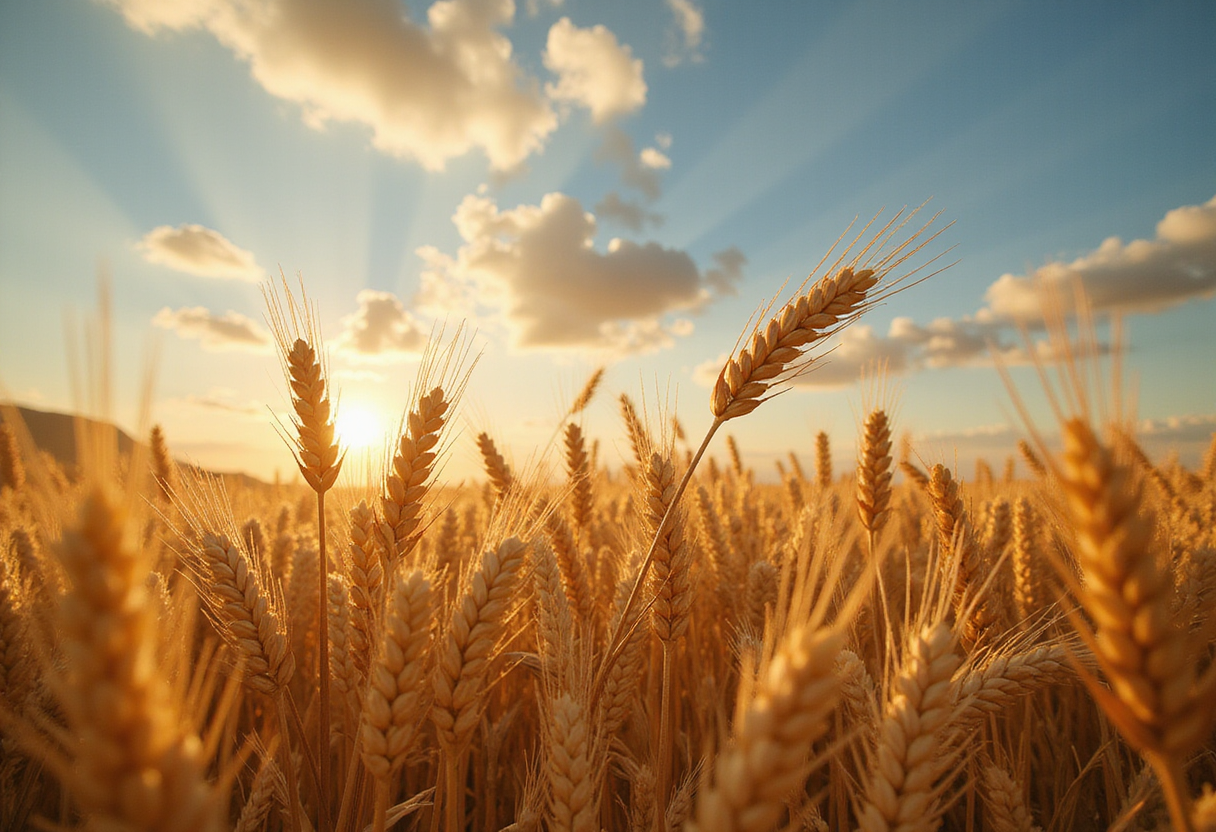
Grain prices are moving higher at a point in the calendar when they more often drift lower. That single fact — markets firming when the seasonal script calls for weakness — is the story growers, elevator managers and merchandisers now have to trade against, according to a Rural Radio Network report framed around the question of what producers can actually do with a rally like this.
The pattern matters because of timing. In a typical marketing year, the post-harvest period pressures cash prices: combines have emptied, storage is full, farmers and country elevators move bushels to free bin space, and basis softens under that commercial selling. When futures instead grind higher through that window, the standard advice about storing grain and waiting for spring carry begins to look different. The cost of holding bushels — commercial storage fees, interest on operating lines, shrink — does not pause simply because the board is climbing.
For producers, the report's central question is practical rather than analytical: what do you do with an unseasonal rally? The honest answer starts with separating what a price move is from what it promises. A rally that runs against seasonal tendency can reflect genuine fundamental tightening — stronger demand, tighter supplies, shipping or logistics disruptions — or it can reflect positioning in the futures market that reverses as quickly as it built. Condition talk and forecast-driven strength are not harvested results; a market rally is a quote, not a settled average price received.
That distinction shapes marketing decisions. A counter-seasonal move creates an opportunity to price grain at levels the calendar would not normally offer, but it also creates the classic temptation to hold for more. Elevator managers and extension marketing specialists have long argued that rallies driven by factors outside the normal harvest-to-planting rhythm deserve the same discipline as any other price signal: know your cost of production, know your break-even on stored bushels, and treat incremental price appreciation against storage and interest costs as a measurable spread rather than a hope.
Basis behavior is the second watch point. If futures rise while country basis stays weak or widens, the cash benefit of the rally leaks away before it reaches the farm gate. Producers selling into a futures-led move should track their local basis against historical averages for the same weeks, not just the board. A firm board with a soft basis says the local market is comfortable with supply; a firm board with a firm basis says end users are genuinely chasing bushels.
Input planning sits on the other side of the ledger. Grain rallies tend to pull input costs with them — fertilizer, cash rents and land values all respond to improved crop economics, often with a lag that eats into the margin the rally created. A grower who locks a higher price on old-crop or new-crop bushels while deferring input purchases has hedged one side of the margin and left the other exposed. The disciplined response is to treat the rally as a margin event, not a price event, and secure both legs while the relationship is favorable.
The tactical menu remains what it always is: cash sales on strength, forward contracts on new-crop bushels, basis contracts that capture the futures level while leaving basis open, and hedge-to-arrive arrangements where the carry structure justifies them. None of these tools requires a forecast. Each requires only a price and a willingness to act on it.
What the current move ultimately becomes — a genuine repricing of grain or a positioning-driven bounce that fades before spring — will show up in the numbers as they are harvested from the market rather than forecast into it. For now, the report's takeaway stands: prices are doing something unusual, and unusual price behavior rewards producers who act on it deliberately rather than watch it.
via Google News: Grain prices (Source)
More from Grace Kim
Show full bio
Correspondent covering industry trends and analytics at Agribusiness Wire.
159 articles