Lot No. LOT-1259 · offered November 9, 2026
Commodity MarketsLot sheet
USDA sees EU cheese output up 0.3% in 2027 as milk pool tightens
EU27 cheese output will hit 11.2 million tonnes in 2027, up just 0.3%, as a smaller milk pool slows growth. Cheddar sits 28% below year-ago levels at €323/100kg.
Market notes
- EU27 cheese production forecast at 11.2 million tonnes in 2027, up 0.3% from 2026 (USDA FAS).
- September 2026 EU cheddar price: €323 per 100kg, down 28% year on year.
- September 2026 whey powder prices were 58% higher than a year earlier.
- Germany, France, Italy, Poland and the Netherlands produce about 75% of EU27 cheese.
- 278 cheeses and curds hold EU geographical indication registrations.
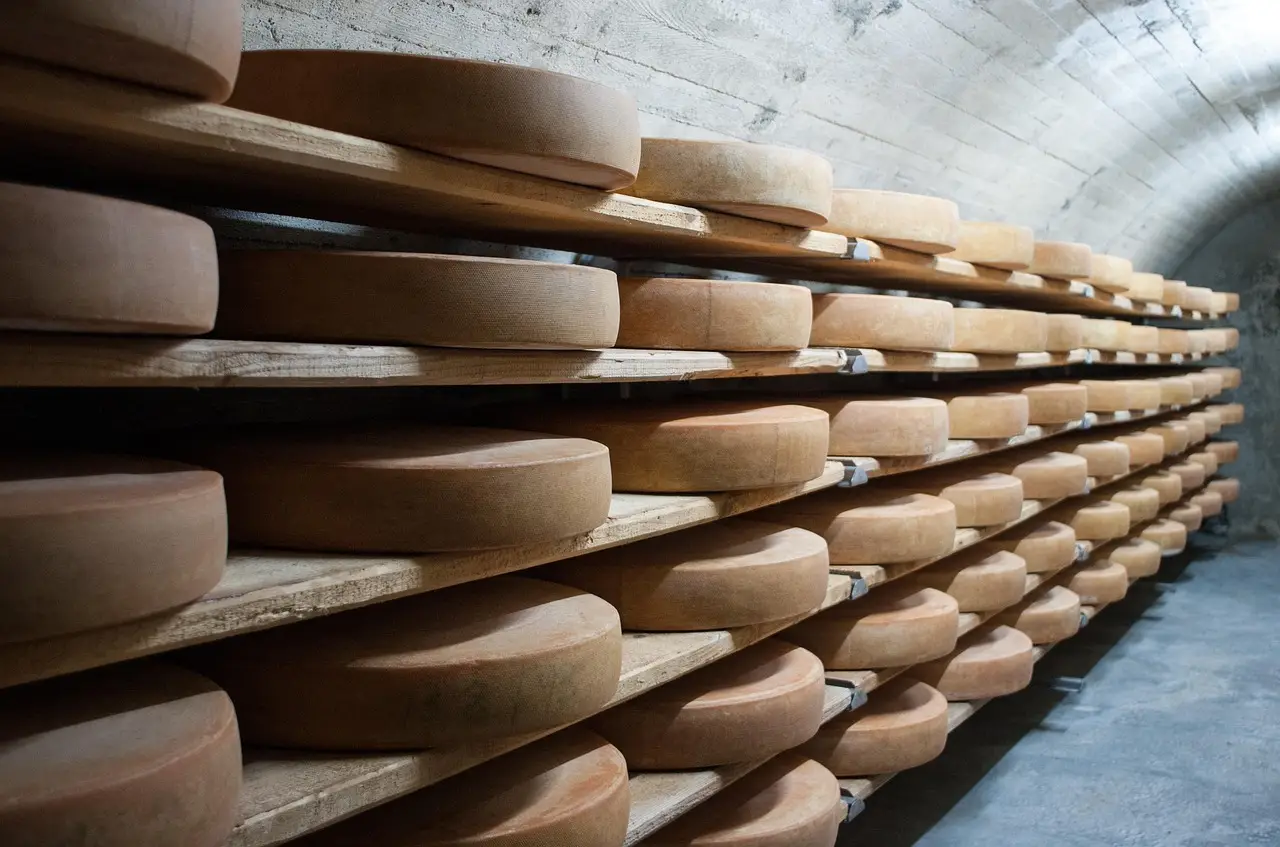
EU27 cheese production will reach 11.2 million tonnes in 2027, a rise of just 0.3% over 2026, according to the USDA's Foreign Agricultural Service. The forecast marks a clear slowdown from the 1.4% growth FAS expects for 2026, when output hits an estimated 11.1 million tonnes, up from 2025.
The reason is supply, not demand. Cheese remains the primary output goal of the European dairy processing industry, supported by strong domestic consumption and solid export demand. But a smaller milk pool available for factory use in 2027 is set to brake the upward trend that strong European and global demand would otherwise drive.
Which countries carry the sector?
Germany, France, Italy, Poland and the Netherlands remain the major producers. Together they account for roughly 75% of total EU27 cheese output. FAS notes that processors keep shifting production toward higher value-added products, a move that supports margins when raw milk is tight.
Takeaway: five countries produce three-quarters of EU cheese, so their milk supply dictates the bloc's trajectory.
What role do geographical indications play?
Legal registration of product names carries weight across the EU, particularly for specialty cheeses. There are 278 cheeses and curds registered under geographical indications. FAS says this status allows for higher pricing, improves producers' margins and supports decisions to expand production.
Takeaway: GI registration converts legal protection into pricing power for specialty producers.
Where do prices stand?
EU cheddar prices fell sharply through 2025 and began to rebound in 2026, though they remain well below year-ago levels. In September 2026, EU cheddar traded at €323 per 100 kg — down 28% year on year. FAS frames the lower prices as a stimulus to domestic consumption and a boost to EU competitiveness on the global market.
Whey, by contrast, has done the heavy lifting on valorisation. Whey revenues stayed strong and escaped the price pressures that dominated the milk market in 2025 and the first half of 2026. September 2026 whey powder prices stood 58% above September 2025 levels, driven by growing consumer demand for protein.
Takeaway: cheese prices are lagging, but whey is quietly carrying processor returns.
What is not said?
FAS offers no forecast for when cheddar recovers to 2024 price levels, and no volume figure for the 2027 milk pool itself — only its directional effect. The report also does not break down how the whey premium distributes across processors versus farmgate milk payments, a gap that matters for farm margins.
Takeaway: the slowdown is well documented; the recovery timeline is not.
What comes next?
Watch whether the 2026 cheddar rebound holds through the fourth quarter and whether record whey prices keep offsetting weak cheese valorisation as the tighter 2027 milk pool arrives.
via thecattlesite.com (Source)
More from Olivia Hart
Show full bio
News editor covering technology and product news in Agribusiness coverage for industry professionals at Agribusiness Wire.
489 articles
Also in the yard
- USDA Forecasts EU Cheese Imports Up 9.8% in 2027 as Exports Slip
- USDA forecasts EU dairy herd down 1% to 18.8 million cows in 2027
- EU Dairy Feed Costs Jump 26% as Milk Prices Slide
- Record Cheese, Butterfat Exports Position U.S. Dairy for Strong 2026
- COCERAL Trims EU Corn Crop Forecast to 48.6 Million Tons