Lot No. LOT-8346 · offered November 9, 2026
Crop EconomicsLot sheet
EU Dairy Feed Costs Jump 26% as Milk Prices Slide
EU industrial feed costs for dairy rose 26% in July 2026 year on year, USDA FAS reports, while falling milk prices, costlier fertiliser and elevated oil prices squeeze farm margins.
Market notes
- July 2026 EU industrial feed costs were 26% higher than in July 2025, per USDA FAS citing the European Commission.
- Industrial feed costs, based on cereals and oilseeds, have risen since November 2025.
- The Middle East conflict from March 2026 cut mineral fertiliser availability and raised prices through autumn sowings.
- Oil prices rose sharply in July 2026 after staying elevated since March 2026.
- Falling milk prices plus higher feed, fertiliser and energy costs are compressing EU dairy farm margins.
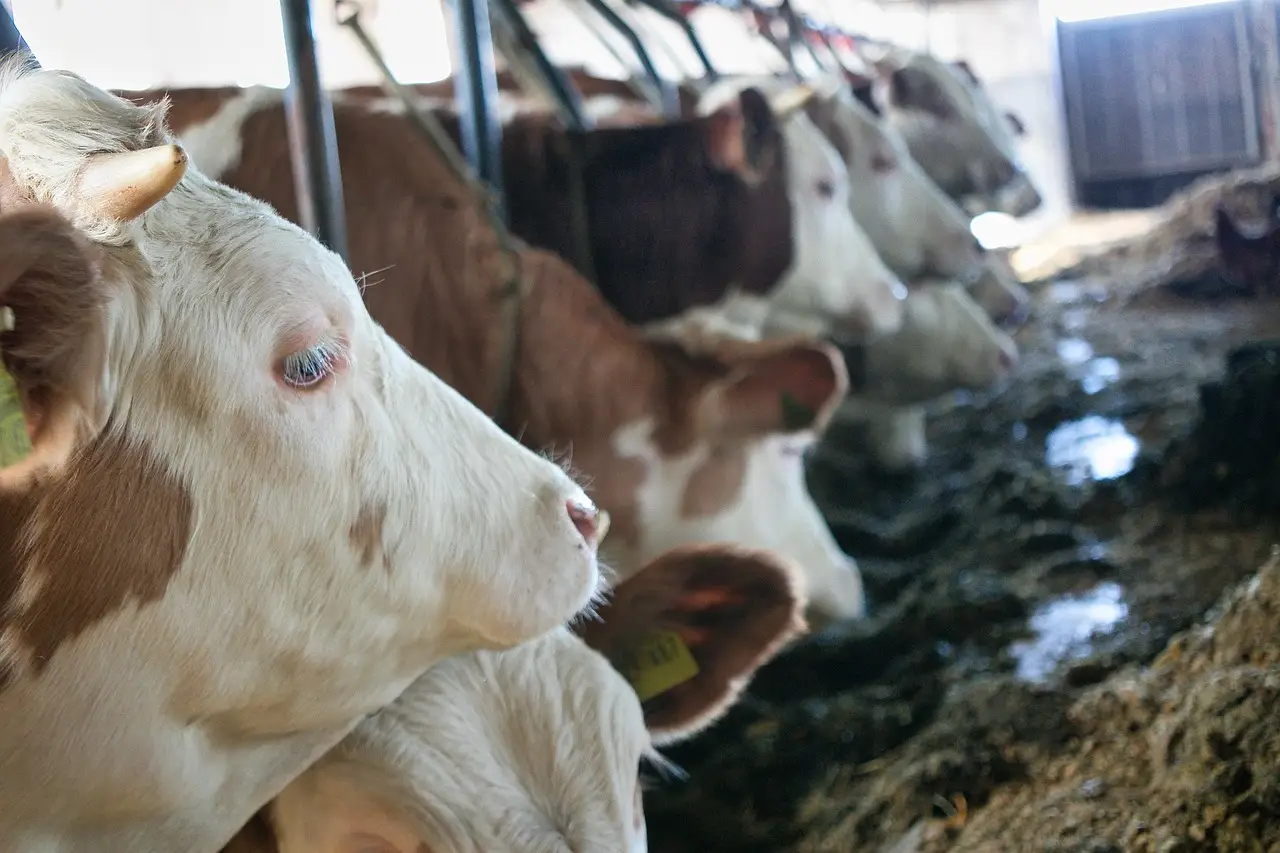
EU dairy farmers faced feed costs in July 2026 that ran 26% above the same month a year earlier, according to the USDA's Foreign Agricultural Service, which cites European Commission assessments of industrial feed based on a mix of cereals and oilseeds.
The figure lands on dairy operations already absorbing falling milk prices, compressing farm margins from both directions at once.
What is driving the 26% feed cost increase?
FAS, reporting on the European Commission's assessment, said industrial feed costs have been rising since November 2025. The cumulative climb reached 26% by July 2026 compared with July 2025.
Industrial feed in the EU is priced off a blend of cereals and oilseeds. When that input basket moves higher for eight consecutive months, dairy producers who buy compound feed rather than grow their own grain feel the increase directly in their monthly cost sheets.
The timing compounds the problem. Milk prices have been moving down over the same window. Feed typically represents the largest single cost line on a dairy farm, so a 26% rise against a falling milk cheque narrows margins fast.
FAS said the combination of higher feed costs and falling milk prices adds more pressure on farmer margins.
How did fertiliser and energy costs change the picture?
Feed is not the only line item moving. Through 2025, relatively low fertiliser costs had supported farmer margins, partly offsetting pressure elsewhere in the cost structure.
That support eroded in 2026. The Middle East conflict that started in March 2026 reduced the availability of mineral fertilisers and pushed their prices higher during spring field work, according to FAS. The tightness did not ease after planting: it has continued into autumn sowings, meaning cereal and oilseed growers face elevated input bills for the crops that feed the dairy supply chain.
Higher fertiliser costs for crop producers can feed back into dairy economics through the very feed prices the Commission tracks.
Oil prices have also stayed elevated since March 2026 and rose sharply in July 2026, FAS reported. That increase lifted fuel and energy costs — diesel for field operations and haulage, and power for milking, cooling and barn systems.
FAS said these higher costs weigh on farmer margins.
What does the cost stack look like for EU dairy producers?
Three input categories moved against EU dairy farmers within roughly a year:
- Feed: industrial feed costs up 26% in July 2026 versus July 2025, on a rising trend since November 2025
- Fertiliser: availability down and prices up since the March 2026 Middle East conflict, persisting from spring field work into autumn sowings
- Fuel and energy: oil prices elevated since March 2026 and sharply higher in July 2026
Against that stack, only one variable moved the right way for margins in 2025 — cheap fertiliser — and that support has since reversed.
What comes next?
The margin squeeze now rests on two unknowns: whether the milk price decline continues and whether feed, fertiliser and energy costs stabilise. With autumn sowings already underway under elevated fertiliser prices, the input side of the 2027 cost structure is being set at levels well above a year earlier, and FAS's read of Commission data gives little indication of near-term relief for EU dairy margins.
via thecattlesite.com (Source)
More from Grace Kim
Show full bio
Correspondent covering people, launches and day-to-day practice in Agribusiness coverage for industry professionals at Agribusiness Wire.
484 articles