Lot No. LOT-1021 · offered November 9, 2026
Commodity MarketsLot sheet
USDA forecasts EU dairy herd down 1% to 18.8 million cows in 2027
USDA's FAS projects the EU dairy herd at 18.8 million cows in early 2027, down 1%, with milk production dipping 0.3% as feed shortages and falling farm-gate prices cut into farm margins.
Market notes
- FAS forecasts 18.8 million EU dairy cows in milk at the start of 2027, down 1% from 2026.
- EU27 milk production is forecast to fall 0.3% to 149 million tonnes in 2027.
- August 2026 raw milk prices of €42.2 per 100 kg were 21% below August 2025.
- 2026 deliveries rose 1.5% to 149.5 million tonnes, led by 3.5% growth in January-June.
- 2025 farm-gate prices averaged a record €52.5 per 100 kg before the slide.
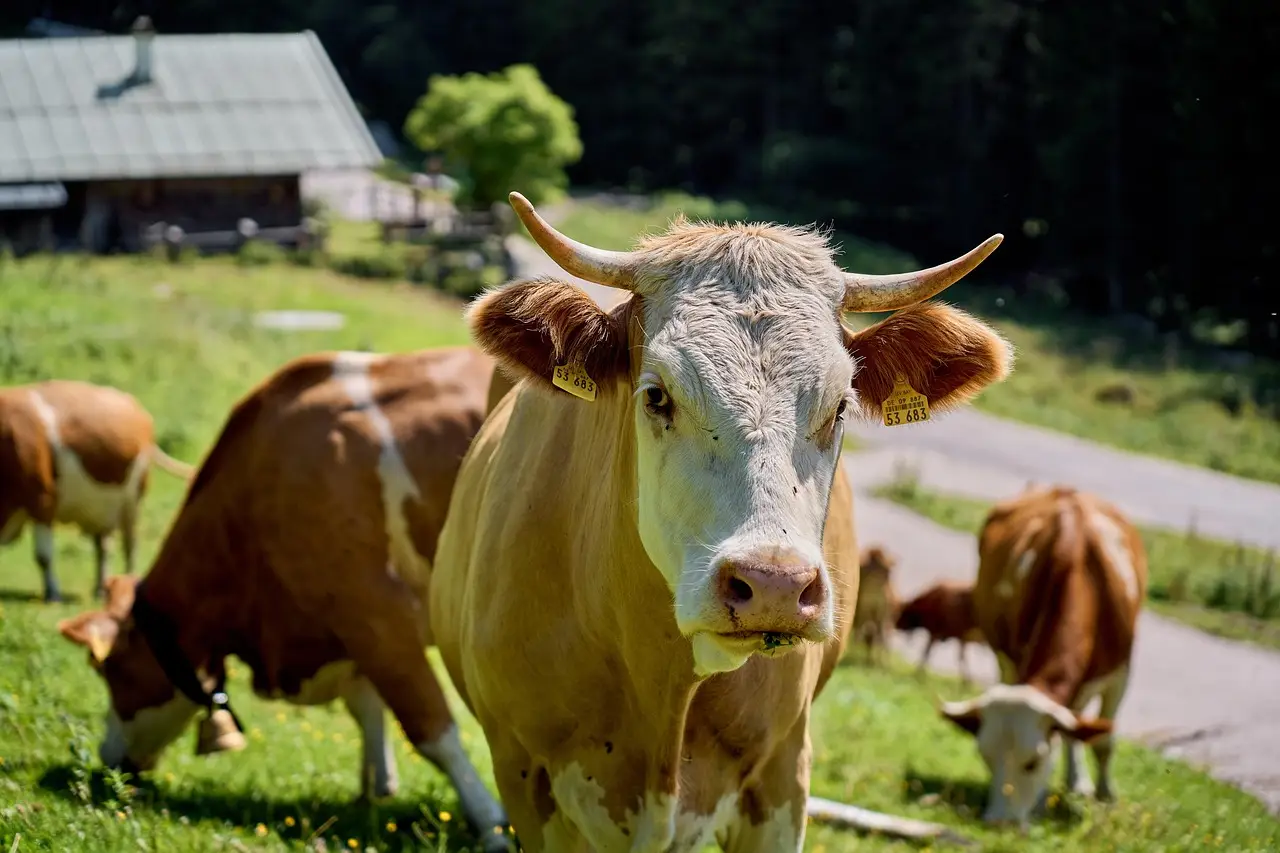
The USDA's Foreign Agricultural Service (FAS) forecasts the EU dairy herd at 18.8 million cows in milk at the start of 2027, down 1% from 2026. The decline continues a long-term contraction that low profitability and poor feed quality accelerated this year.
EU27 cow milk production is forecast to fall 0.3% to 149 million tonnes in 2027, reversing the growth of 2025 and 2026. Rising cow productivity will not offset the shrinking herd, even with strong yield gains in Central and Eastern Europe.
Why are farmers culling cows?
FAS cited several drivers behind the slaughter of dairy cows:
- Low profitability of milk production in 2026
- Concerns about feed quality and availability
- Environmental policies under EU regulation
- Possible impacts of animal diseases on herd fertility, especially in Western Europe
- Restructuring of cattle farming, especially in Central and Eastern Europe
Losses are expected mainly on smaller and less efficient farms. Larger, more professional operations are forecast to hold herd numbers steady. On that basis, FAS expects future reductions to slow.
Dairy farm numbers keep falling across many member states. Young farmers are leaving milk production because of heavy workloads and uncertain profits, a problem FAS links to generation renewal alongside national policies responding to EU environmental rules and disease outbreaks.
What did 2026 deliveries actually do?
Cow milk deliveries in 2026 are estimated at 149.5 million tonnes, up 1.5% from 2025. Deliveries rose 3.5% in January-June 2026 against the same period a year earlier. FAS credits productivity gains from high-quality on-farm feed, stable feed costs, investments in automation, and delayed calving in Western Europe caused by bluetongue virus infections.
That growth is fading. FAS expects deliveries to slow in coming months as falling farm-gate prices, tighter feed availability, and rising energy and fertiliser costs squeeze farm margins.
How far have milk prices fallen?
EU farm-gate milk prices averaged €52.5 per 100 kg in 2025, a record annual high. Elevated European production then drove a sharp drop from the third quarter of 2025 that continued through 2026.
July 2026 brought the first monthly increase. In August 2026, processors offered €42.2 per 100 kg of raw milk — 0.5% above July, but 21% below August 2025 and 10% under the 2021-2025 average.
The fall narrowed the gap with competitors. In July 2026, EU milk prices stood 18% above New Zealand's and 29% above US prices.
What is happening to feed supplies?
Fodder quality and availability remain a challenge in the second half of 2026. European Commission crop monitoring found that prolonged heat and water deficits in western and central Europe cut grass growth rapidly after a good start to the season, with growth stalling in some regions. Green corn quality for silage also worsened considerably.
The Commission assessed September 2026 biomass production as below average across large parts of western and central Europe despite returning rain in several regions. Fodder growth stayed more favourable in north-eastern Europe.
Less grass for grazing and winter feed, plus lower green corn output in major milk-producing member states, will substantially reduce feed availability. FAS expects this to drive herd reductions and lower milk production at the end of 2026 and in early 2027, with the 18.8 million-cow herd marking the next step in the EU's structural consolidation.
via thecattlesite.com (Source)
More from Grace Kim
Show full bio
Correspondent covering people, launches and day-to-day practice in Agribusiness coverage for industry professionals at Agribusiness Wire.
484 articles