Lot No. LOT-4868 · offered October 2, 2026
Crop EconomicsLot sheet
Beef Economics Keep U.S. Dairy Herd at 34-Year High
U.S. dairy cow numbers sit at a 34-year high, with CoBank's Corey Geiger citing strong beef returns as the force sustaining herd growth and pressuring milk prices into 2027.
Market notes
- U.S. dairy cow numbers are at their highest level in 34 years, per CoBank economist Corey Geiger.
- Strong beef returns are overriding the herd-contraction signal normally triggered by Class III milk, cheese and whey prices.
- Herd size is expected to keep pressure on milk prices through 2027.
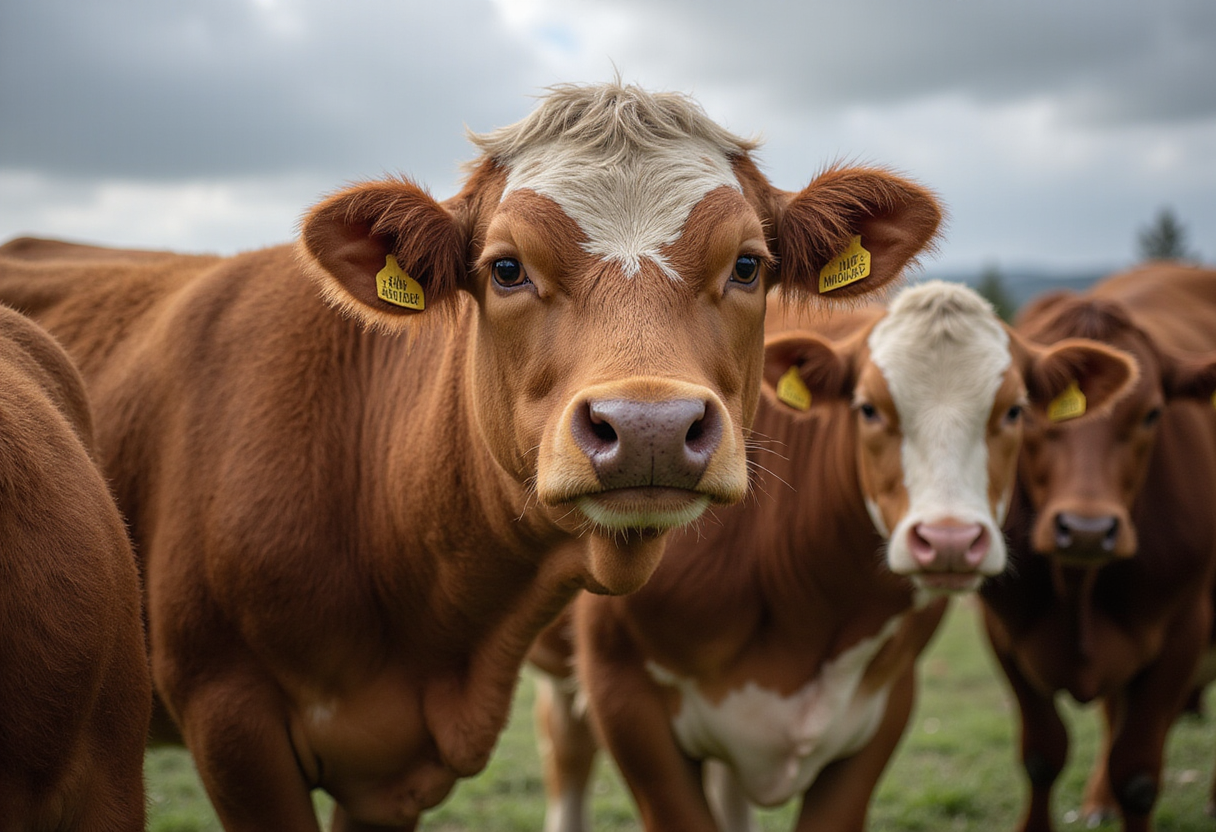
The U.S. dairy herd has reached its highest level in 34 years, and CoBank economist Corey Geiger expects cow numbers to keep pressure on milk prices through 2027.
The dynamics behind the expansion run counter to the usual cycle. Under normal conditions, Geiger says, dairy producers would already be contracting the herd in response to Class III milk prices and the returns available from cheese and whey. That contraction signal is being overridden by the beef side of the ledger.
Strong beef returns are giving dairy producers a financial reason to hold animals they would otherwise cull. The result is a herd that keeps growing even as milk-price fundamentals argue for shrinkage, and a supply overhang that weighs on the milk price outlook into 2027.
For dairy operations, the arithmetic is straightforward. Every additional cow in the national herd adds milk to a market where Class III values, cheese and whey returns would typically push producers the other direction. Geiger's read of the numbers is that beef-driven retention is strong enough to keep the expansion going, and the price pressure that comes with it, over the forecast horizon.
The 34-year high in cow numbers marks a meaningful departure from the pattern producers and analysts have relied on to gauge the cycle. When milk prices soften, herds historically contract, supplies tighten and prices recover. With beef values now a material part of the dairy income statement, that self-correcting mechanism is delayed — and the milk-price recovery that would normally follow weak Class III and cheese margins is being pushed further out.
Geiger's outlook implies that dairy margins into 2027 will depend not only on milk, cheese and whey markets, but on where cattle prices settle. If beef returns stay strong, herd retention stays high and milk supplies stay heavy. How long beef values can continue to offset weak dairy-side signals will determine when the herd finally turns and milk prices find room to recover.
Note: the underlying report was truncated in distribution; figures beyond the herd-size milestone were not available at press time.
via Brownfield Ag News (Source)
More from Grace Kim
Show full bio
Correspondent covering industry trends and analytics at Agribusiness Wire.
175 articles
Also in the yard
- USDA Report Examines the Economics of Precision Dairy Farming
- Cattle Futures Rebound as Grain Prices Sink
- Breedr Raises $27M Series B to Scale Digital Cattle Records Globally
- Cash Cattle Trade Quiet at Midday; Showlists Mixed Across Plains
- ICE Raids Trim Cattle Slaughter; Grain Traders Left Waiting on China