Lot No. LOT-8930 · offered November 10, 2026
Trade & ExportsLot sheet
USDA Forecasts Canada Chicken Imports to Slip to 225,000 Tonnes in 2027
USDA's FAS forecasts Canada chicken meat imports at 225,000 tonnes in 2027, down 5,000 from 2026, as Chile overtakes Brazil to become the third-largest supplier behind the US and Thailand.
Market notes
- Canada's 2027 chicken import forecast is 225,000 tonnes, down 5,000 tonnes from an estimated 230,000 tonnes in 2026.
- The US supplies roughly 80% of Canada's chicken import market.
- Chile overtook Brazil in 2025 to become the third-largest supplier, behind Thailand.
- Border authorities are considering genetic tests to distinguish broiler meat from spent fowl.
- Chile was the first country to use Canada's CPTPP chicken TRQ access in 2023.
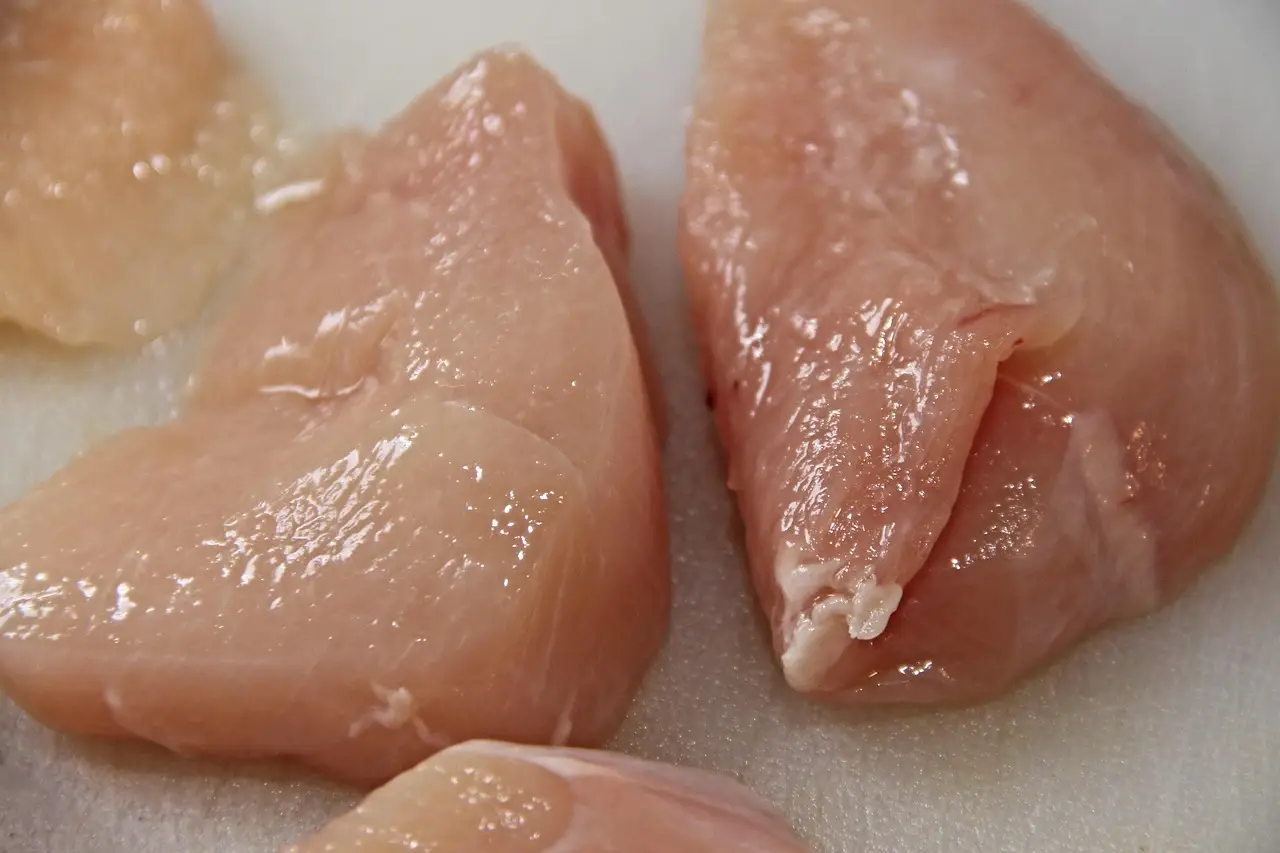
Canada is forecast to import 225,000 tonnes of chicken meat in 2027, down 5,000 tonnes from the estimated 230,000 tonnes expected in 2026, according to a market report from the US Department of Agriculture's Foreign Agricultural Service post in Canada.
The projected decline of roughly 2 percent reflects two factors the FAS identified directly. Domestic supplies are sufficient. Domestic requirements are stable. Most chicken imports fall under tariff rate quotas, and additional TRQ-controlled volumes concentrate under two import-for-re-export programmes that require the imported chicken to leave Canada again. Outside the control regime, Canada also imports non-controlled products such as spent fowl and certain further-processed chicken items.
Why does the United States dominate the Canadian market?
The US typically commands about 80 percent of Canada's chicken import market. Price explains most of it. A large differential persists between lower US wholesale chicken prices and higher Canadian prices. Add the ability to buy fresh cuts rather than frozen product from overseas suppliers, and importers hold a strong incentive to source American chicken — especially under programmes that waive customs duties.
Canada typically imports chicken wings and breasts. Wings flow mainly to foodservice. Breast meat moves into further processing, foodservice and retail. Those demand channels set the shape of the trade regardless of supplier.
What did border enforcement change?
Import volumes declined in the years before the COVID-19 pandemic, and federal border enforcement drove that trend. Authorities uncovered broiler meat subject to TRQs wrongly labelled as spent fowl, which faces no import controls. Federal agencies also took enforcement action under the import-for-re-export programmes and delisted noncompliant companies.
The picture has shifted again. Over the last three years, imports of spent fowl and imports under duty-exempt programmes have picked up. That resurgence has drawn renewed scrutiny from both the domestic industry and federal authorities. Border enforcement agencies are now considering genetic tests to distinguish broiler meat from spent fowl meat — a technical fix to a labelling problem that has distorted the market for years.
Which suppliers are gaining ground?
The supplier ranking behind the US is changing. Thailand holds second place. In 2025, Chile outpaced Brazil to become Canada's third-largest chicken supplier. Chile was the first country to benefit from Canada's market access commitments under the Comprehensive and Progressive Agreement for Trans-Pacific Partnership TRQ in 2023, and FAS views it as a major emerging supplier.
Brazil presents a different calculation. Despite lower costs, Brazilian chicken discourages some Canadian importers because it cannot be re-exported to the US — a constraint that matters for traders operating under the re-export programmes.
Two smaller flows add competitive pressure. Ukraine has emerged as a supplier on a much smaller scale, shipping primarily frozen wings. Since the Comprehensive Economic and Trade Agreement with the EU entered into force in 2017, Canada has also imported certain chicken products from EU countries, including frozen wings and processed products from Hungary and Germany.
What does this change for importers and processors?
For Canadian processors and foodservice buyers, the forecast signals continued reliance on the US for fresh breast and wing supply, with duty-exempt and re-export channels remaining the pressure points regulators watch most closely. For US exporters, the 80 percent share looks secure on price fundamentals alone. For emerging suppliers, the CPTPP and CETA tariff structures keep the door open.
The FAS outlook suggests the 2027 dip reflects a maturing market rather than a disruption: ample domestic supply, stable demand, and tighter enforcement leave little room for import growth.
via thepoultrysite.com (Source)
More from Marcus Bennett
Show full bio
Senior reporter covering regulation, policy and their impact on Agribusiness coverage for industry professionals at Agribusiness Wire.
450 articles
Also in the yard
- Canadian Tariffs Strike U.S. Farm Equipment Sector
- U.S.-Canada Trade Talks Collapse, Raising Tariff Threat to Farm Exports
- Canada Hits $20B in US Farm Goods With 25%, 50% Duties
- Mexico, Canada Bought $59.3 Billion in U.S. Farm Goods as USMCA Talks Open
- Beef Imports Fail to Lower Retail Prices, Pressure Cattle Producers