Lot No. LOT-2537 · offered November 10, 2026
Trade & ExportsLot sheet
Dutch piglet exports to Spain fall 43% amid nitrogen restructuring
Dutch piglet exports to Spain fell 43% in the first five months of 2026 as nitrogen rules, buy-outs, low margins and African swine fever pressure breeding-sector restructuring.
Market notes
- Dutch piglet exports to Spain fell 43% in the first five months of 2026.
- The Dutch government has two funding programmes promoting farm sales through buy-out schemes.
- Belgium has made a buy-out programme available for its livestock sector.
- Flanders’ nitrogen policy seeks emission reductions by 2030 under EU regulations.
- FAS says the Dutch pig sector still needs restructuring to meet its nitrogen goals.
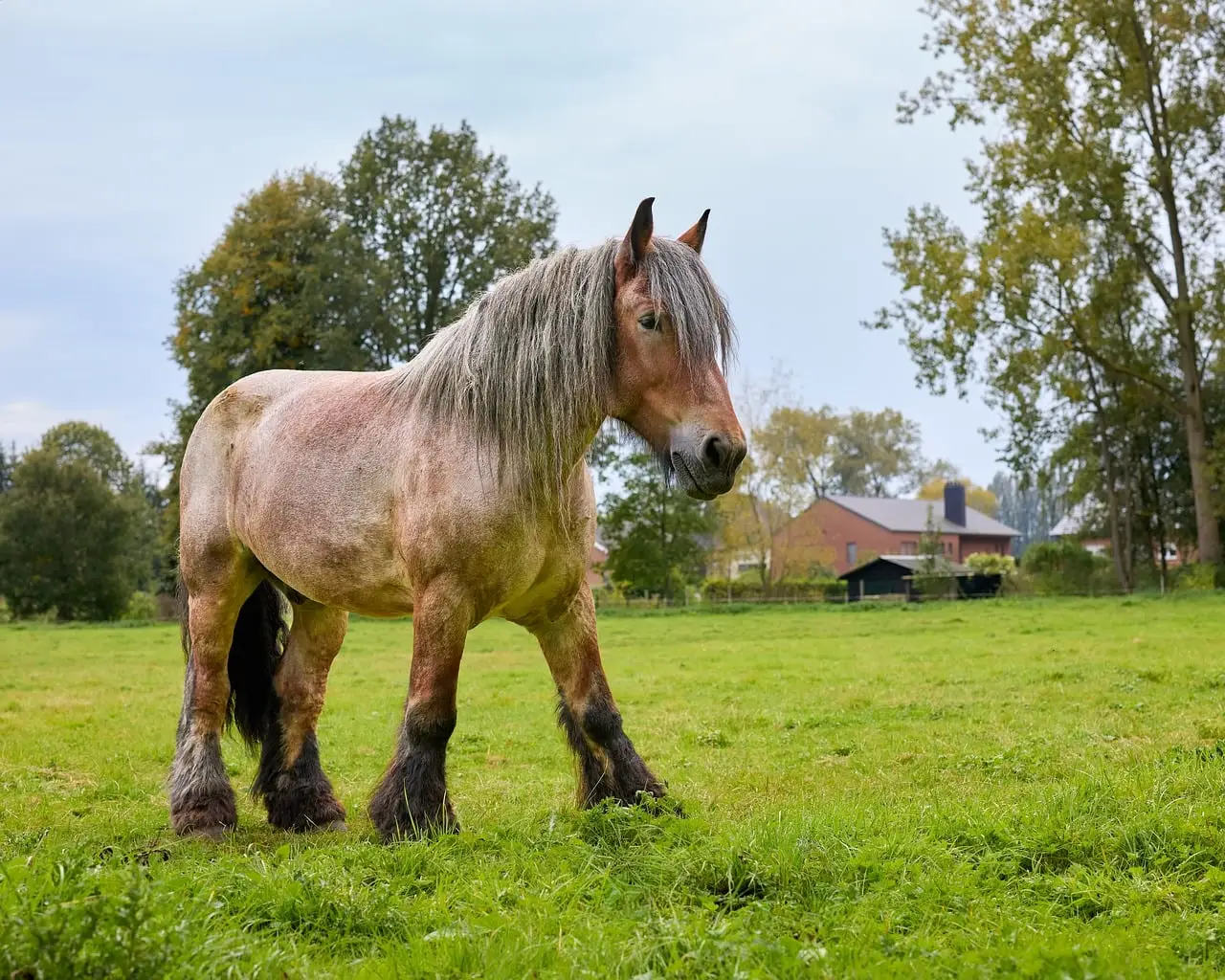
Dutch piglet exports to Spain fell 43% in the first five months of 2026, according to a recent U.S. Department of Agriculture Foreign Agricultural Service market report on the European Union.
Why is the Dutch breeding sector contracting?
FAS said the Dutch pig sector “still needs to restructure to meet its nitrogen emission reduction goals.” The agency places that restructuring against a breeding sector already expected to shrink, with tighter rules and weaker farm economics adding pressure.
The report identifies African swine fever detection in Spain as a factor reinforcing the anticipated restructuring and contraction. The source documents detection, not an outbreak count or a loss estimate. The excerpt describes no Spanish import ban or other trade restriction, so it does not establish one cause for the 43% export drop.
The five-month export figure is a reporting-window result, not a full-year forecast. No starting volume, tonnage, farm count or calculation methodology accompanies the percentage in the excerpt. The Dutch national nitrogen target also goes unstated.
What is pushing farmers toward exit?
FAS’s assessment points to four policy and cost signals:
- Environmental and animal-welfare rules. The report identifies regulatory pressure as a major reason for farm closures, particularly Flanders’ nitrogen policy, which seeks to reduce emissions by 2030 under EU regulations. No reduction percentage is given.
- Dutch buy-out funding. The Dutch government operates two funding programmes that encourage intensive livestock farmers to sell their farms through buy-out schemes. The excerpt provides no budget, payment rate, pig-specific allocation or enrollment count.
- Belgian buy-out funding. Belgium has also made a buy-out programme available for its livestock sector. The excerpt gives no funding amount, payment schedule or eligibility details.
- Margin pressure. Lower profitability, volatile prices, high energy costs and high feed costs are pushing operators toward termination, FAS said.
FAS said the voluntary farm buy-out scheme “is accelerating the decline.” The agency links voluntary exits with breeding-sector contraction, but supplies no animal or farm count to measure it.
What does this change for Dutch and Belgian growers?
It makes nitrogen compliance and farm viability part of the same decision. A farmer considering continued production has to weigh market income against energy, feed and compliance costs. A farmer considering exit needs the terms of the Dutch or Belgian buy-out.
FAS provides neither payment rates nor cost data, so the excerpt cannot determine which option pays more. The report gives no farm-gate price, feed or energy quote, or basis series, so it cannot separate a price-driven margin loss from the added cost of meeting nitrogen and animal-welfare rules.
The financial choice remains unmeasured. The excerpt names no individual growers, cooperatives, feed suppliers or energy companies, and no figures showing how price volatility passes through to farm margins. It cannot show which farms carry the greatest losses, how smaller operators differ from larger ones, or how each input cost affects a farm’s return.
The 43% decline is an observed export result for one five-month window, while the report’s disease reference remains a condition assessment. The next checkpoint is whether voluntary exits become lasting Dutch breeding-capacity cuts, and whether Belgium’s buy-out produces comparable reductions as Flanders works toward its 2030 nitrogen target.
via thepigsite.com (Source)
More from Nathan Brooks
Show full bio
Staff writer covering regulation, policy and their impact on Agribusiness coverage for industry professionals at Agribusiness Wire.
538 articles
Also in the yard
- Spain Faces 22% Grain Crop Decline, Near 15 Mln Ton Imports
- USDA forecasts EU dairy herd down 1% to 18.8 million cows in 2027
- Spain's crop protection rules expose costly gap in EU implementation
- CoBank: US and EU Crop Cuts Lift Corn Price Floor
- Polish Farm Exports to Mercosur Rise as Divisive Trade Deal Activates