Lot No. LOT-6350 · offered October 9, 2026
Trade & ExportsLot sheet
Beef Imports Fail to Lower Retail Prices, Pressure Cattle Producers
President Trump's August plan to expand U.S. beef imports has yet to deliver the retail price relief it was designed to produce and is squeezing cattle producers, livestock economist James Mitchell of the University of Arkansas said.
Market notes
- President Trump announced the expanded beef import plan in August.
- University of Arkansas livestock economist James Mitchell assessed the plan's market impact.
- Retail beef prices have not posted noticeable declines since the policy was unveiled.
- Live cattle prices have come under pressure from the expanded import expectation.
- Mitchell said: 'All of this mattered a lot to producers, regardless of how much of that beef was imported.'
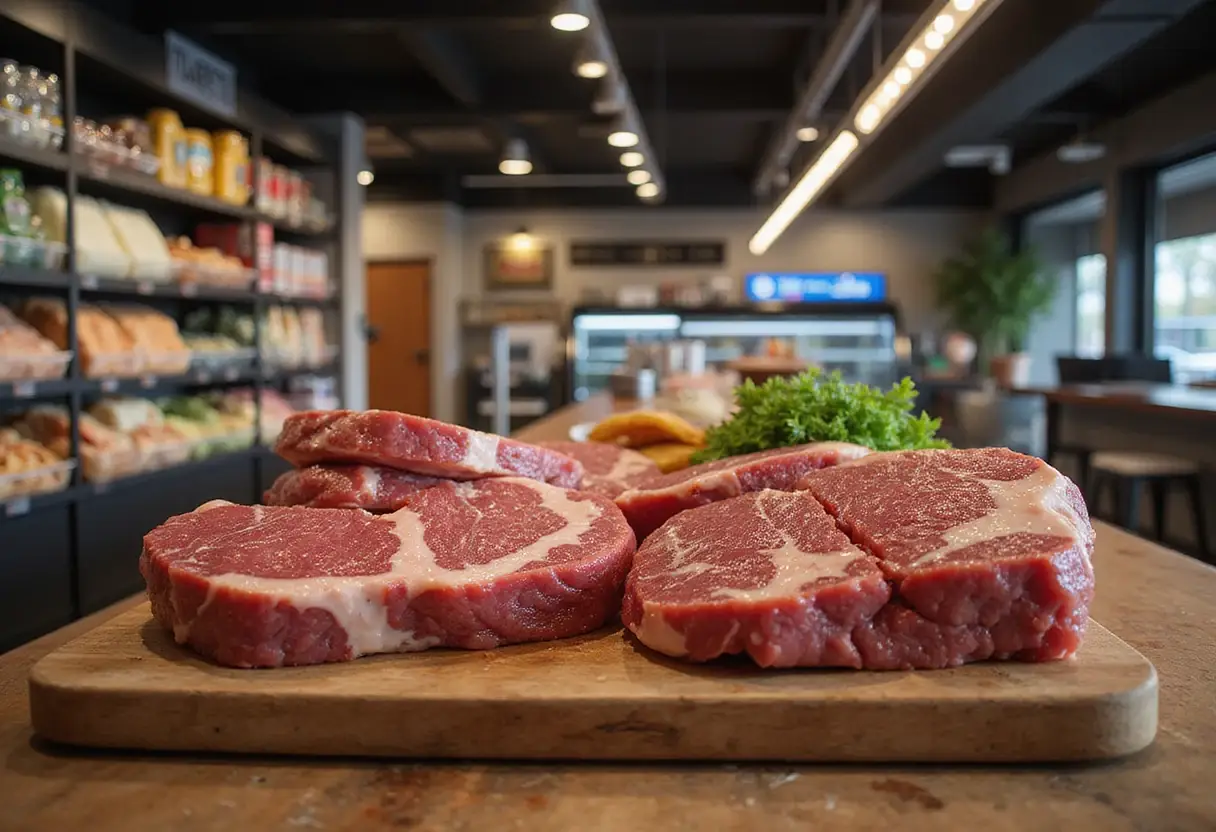
President Trump's August plan to expand U.S. beef imports has yet to deliver the retail price relief it was advertised to produce and is instead squeezing cattle producers, livestock economist James Mitchell of the University of Arkansas said.
The directive, announced in August, was designed to ease consumer beef costs by routing additional foreign product into the U.S. market under modified tariff terms. Officials argued the larger volume would translate into cheaper cuts at retail.
What has the market actually shown?
That premise has not held, Mitchell said. Retail beef prices have not moved noticeably lower since the policy was unveiled, while the live cattle side of the market has come under pressure. "All of this mattered a lot to producers, regardless of how much of that beef was imported," Mitchell said.
The result is a familiar split: stable consumer prices at the meat counter, weaker prices at the sale barn. Beef imports typically flow into processing, foodservice, and grind markets, where cost savings do not always pass through to retail labels at the same pace.
A trade-driven shift in supply expectations tends to weigh on producer prices faster than it eases consumer prices. Wholesale beef moves on thin margins at scale, and import flow changes register at the cash trade almost immediately. Retail labels, by contrast, follow shelf-pricing decisions and contracted supply cycles that adjust more slowly.
Why are producers absorbing the pressure?
Producers sell into a market that prices expected supply alongside current supply. The expanded import plan itself sends a bearish signal to the cattle complex, regardless of how much imported product actually reaches U.S. tables. The prospect of larger supplies weighs on prices independent of whether those supplies fully materialize.
The burden falls heaviest on producers who planned forward sales against a stable price backdrop. With consumer retail prices unmoved, producers have little offsetting relief to flow back through the chain when wholesale costs come down.
For cow-calf operations, stocker grazing backgrounds, and feedlot operators, the impact shows up directly in reduced margins on animals already committed to feed. The pressure also reshapes the forward calculus around replacement heifers, breeding stock decisions, and pasture lease negotiations. Each leg of the cattle pipeline faces a thinner cushion.
What changes next?
Mitchell frames the gap as a policy question that trade volume alone cannot resolve: how to convert import availability into a retail price decline that consumers register, and that producers can recoup. The disconnect persists because wholesale trade flows and consumer shelf prices are loosely connected.
Mitchell, who tracks live cattle markets and policy transmission at the University of Arkansas, attributes the uneven outcome to the way beef pricing moves through the supply chain. The import side of the policy lever has moved faster than the consumer side.
Until that bridge is built, the program will keep weighing on cattle receipts without delivering the consumer discount it was sold on. How the White House handles the next phase of the import plan — whether it widens, narrows, or sunsets — will set the backdrop for cattle margins heading into the next grazing season and feeder cattle placement window.
Producers reading sale-barn runs and the live cattle futures complex will see the impact of that decision long before any retail label updates.
via southernagtoday.org (Original)
More from Olivia Hart
Show full bio
News editor covering technology and product news in Agribusiness coverage for industry professionals at Agribusiness Wire.
420 articles
Also in the yard
- RANCH Act targets 20 million acres to rebuild U.S. cattle herd
- ICE Raids Trim Cattle Slaughter; Grain Traders Left Waiting on China
- USDA Trims 2026 Beef Outlook to 24.802 Billion Pounds
- Cash Cattle Trade Quiet at Midday; Showlists Mixed Across Plains
- China's New US Farm Purchases Raise Global Trade Questions