Lot No. LOT-3005 · offered September 29, 2026
Crop EconomicsLot sheet
University of Illinois Projects Record Non-Land Costs for 2027 Corn, Soybeans
Gary Schnitkey projects record 2027 non-land costs for corn and soybeans as Ukraine port disruptions and yield doubts lift grain prices into harvest.
Market notes
- University of Illinois projects record-breaking non-land costs for both corn and soybeans in 2027.
- Budgets assume ammonia prices in the high sevens, with DAP and potash remaining high and no decline expected in cash rents.
- Schnitkey cites the Ukraine-Russia conflict disrupting ports and Pro Farmer tour-based doubts about USDA yield forecasts as drivers of higher grain prices.
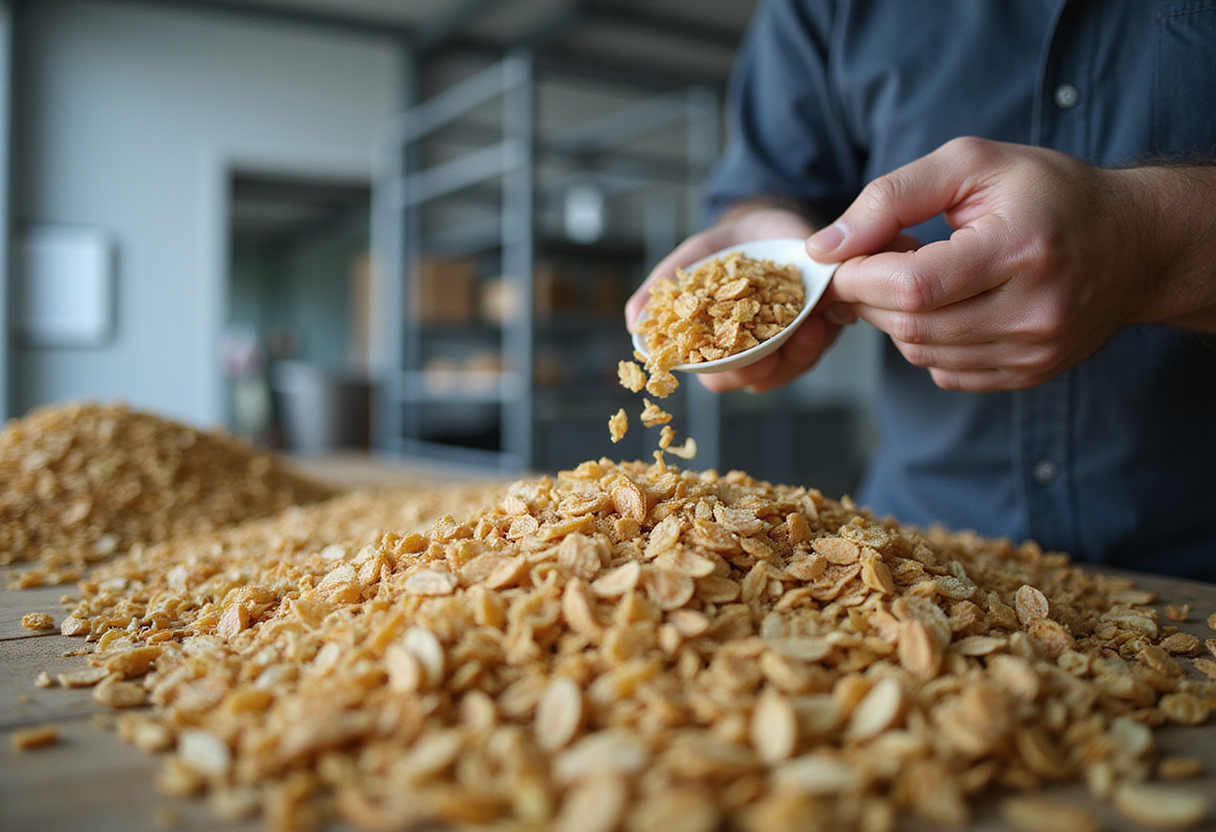
University of Illinois agricultural economist Gary Schnitkey is projecting record-breaking non-land costs for both corn and soybeans in 2027, even as grain prices climb heading into harvest.
The cost forecast anchors a mixed outlook for producers: rising corn and soybean prices offer encouragement as combines roll, but elevated input expenses continue to squeeze margins. Schnitkey, who builds the university's crop budgets, said ammonia prices in the "high sevens" are going into 2027 budget projections, and DAP and potash prices remain high. Cash rents, he added, are not expected to come down.
Two market forces are driving the recent price strength, Schnitkey said. The first is geopolitical.
"A couple of the factors that appear to be driving that right now are the continuing or the heating up of the Ukraine-Russia conflict and that's causing some ports to have some issues," he said. "As those ports have issues, we're seeing commodity prices increase."
The second factor is supply-side doubt about USDA's yield estimates. Schnitkey pointed to Pro Farmer's crop tours and other indications that actual corn and soybean yields will come in below government forecasts. That expected shortfall, he said, "takes off some corn and soybean supply."
The distinction matters for growers weighing sales timing. USDA's projections remain forecasts until harvest results are counted, and private tour data — while grounded in field sampling — reflects a narrower methodology than NASS surveys. Producers treating either number as settled should note the market is already pricing in the gap between them.
For fertilizer buyers, the budget picture is unambiguous. Anhydrous ammonia in the high-$700-per-ton range, combined with persistently expensive DAP and potash, pushes total non-land input costs to levels the University of Illinois has never projected for either crop — a record on top of several years of already elevated expense baselines.
With grain prices moving higher, Schnitkey said producers may want to revisit their marketing plans. Higher futures and cash bids create room to price incremental bushels, but the record cost structure raises breakevens and narrows the margin for error if the supply-driven rally reverses once actual harvest weights are known.
The coming weeks will test whether port disruptions in the Black Sea and tour-based yield doubts hold up against the combine, and Schnitkey's 2027 budgets suggest growers should lock in revenue where the new price strength allows while input costs remain at record levels.
via rfdtv.brightspotgocdn.com (Original)
More from Grace Kim
Show full bio
Correspondent covering industry trends and analytics at Agribusiness Wire.
159 articles
Also in the yard
- Grain Rally Lifts U.S. Farm Outlook, But Input Costs Keep Squeeze On
- Global Supply Concerns Build Case for Bullish 2027 Grain Markets
- U.S. Fertilizer Prices Ease in August; 2027 Cost Risks Loom
- Farmers Press USDA for Action on Fertilizer Prices
- Supply Concerns Take Center Stage for Corn, Soybean and Wheat Prices