Lot No. LOT-6005 · offered September 29, 2026
Crop EconomicsLot sheet
Irish Grain Prices Disappoint, Raising Pressure on Tillage Margins
Agriland reports mounting pressure on Irish tillage farmers as grain prices disappoint, squeezing margins already strained by elevated input costs and raising questions for next season.
Market notes
- Agriland reports that Irish grain prices have disappointed growers, increasing financial pressure on tillage farmers.
- The squeeze hits margins because input costs — fertilizer, fuel, seed — have not fallen in line with grain prices.
- Weak harvest prices risk feeding into more cautious planting and input decisions for the next cropping year.
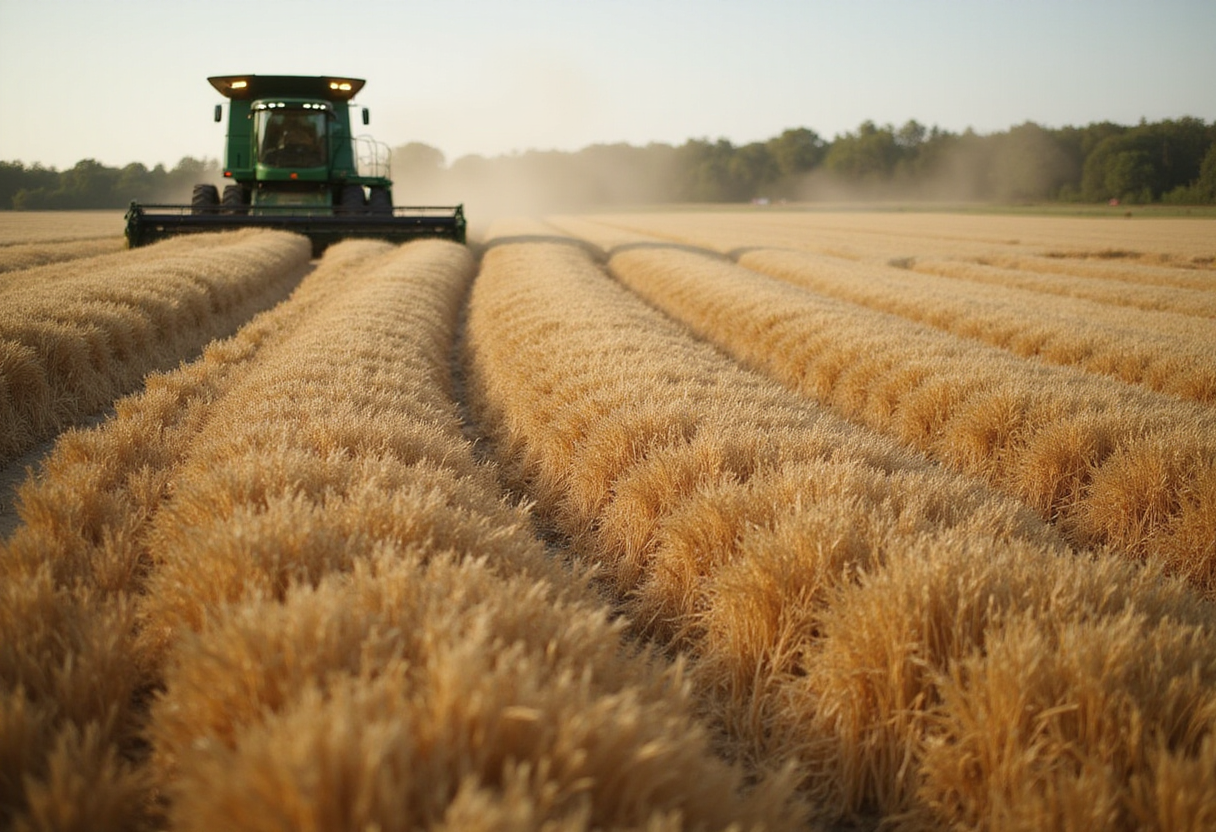
Irish grain prices have disappointed, and the pressure is now landing squarely on tillage farmers' margins. That is the central message of a new report from Agriland, which points to a market that has failed to reward growers for the season's work and the season's input bill.
The report arrives at a difficult point in the calendar for Irish tillage. Growers are weighing harvest returns against a cost base that climbed sharply through the fertilizer and fuel spikes of recent years and has not fully retraced. When grain prices soften while input costs hold, the margin squeeze is immediate and unforgiving — and that is the position Irish cereal producers now find themselves in.
Agriland's framing is blunt: prices are disappointing, and the pressure is mounting. For a typical Irish cereal enterprise, the arithmetic leaves little room. Fertilizer, seed, crop protection, fuel and machinery costs must all be covered before a euro of margin appears. Every euro that the grain price falls short of expectations comes directly off the bottom line, because the cost side of the ledger does not adjust downward in sympathy with the market.
The disappointment also carries a forward dimension. Growers making planting decisions for the next cropping year need a price signal to justify investment in seed, nutrition and agronomy. A market that underperforms at harvest time tends to make farmers more cautious at drilling time. That can show up in crop mix shifts, in reduced input spending, or in decisions to cut the area devoted to cereals altogether.
Ireland's tillage sector is small by international standards, but it matters domestically — feeding the country's large livestock and pig herds with home-grown feed reduces reliance on imported grain. When Irish grain prices disappoint, livestock feeders may welcome cheaper raw material, but the tillage farmers who supply that material absorb the loss. The balance between the two interests is a recurring tension in Irish agriculture policy, and weak grain prices sharpen it.
The report does not specify individual quotes or named growers, cooperatives or merchants, so readers should treat its assessment as a market-conditions judgment rather than a set of surveyed farm-gate prices. Condition reports of this kind — broad characterizations of price sentiment — sit in a different category from audited harvest results or published merchant price lists. Buyers and growers alike will want to check the specifics against actual quoted green prices and dry prices from merchants and co-ops before drawing conclusions about any individual enterprise.
What is not in doubt is the direction of pressure. Irish tillage has had several years of volatility: input costs surged, then eased partially; grain prices spiked, then retreated. Farmers who expanded or invested during the high-price period now face repayment schedules set in a stronger market than the one Agriland describes. That mismatch between when costs were locked in and when revenues arrive is one of the most reliable ways farmers get squeezed, and it appears to be happening again.
The policy backdrop adds another layer. Irish farmers operate within the EU Common Agricultural Policy, where direct payments provide a floor under income but do not compensate for commercial price weakness. Area-based support cushions the blow; it does not restore the margin a competitive grain price would deliver. Tillage advocates in Ireland have long argued that the sector's contribution to feed security and import substitution deserves stronger recognition, and disappointing prices will give that argument new force.
For now, the practical response available to growers is the standard playbook of a weak market: scrutinize every input line, negotiate hard on fertilizer and seed purchases, lock in any forward pricing opportunities that merchants offer at workable levels, and benchmark cost of production per tonne against the prices actually available. Merchants and co-ops, for their part, will face growers demanding transparency on how international futures movements translate into Irish farm-gate quotes.
The report's core claim is simple and credible: the Irish grain market has not delivered what farmers hoped for, and the sector is feeling it. Whether the pressure eases will depend on movements in European and global grain markets, currency effects on import pricing, and the strength of domestic feed demand — variables no single report can settle.
Agriland's assessment signals that Irish tillage enters the next buying and planting cycle with confidence under strain, and the sector will be watching merchant price quotes closely in the weeks ahead for any sign of a recovery.
via Google News: Grain prices (Source)
More from Olivia Hart
Show full bio
News editor covering media and advertising at Agribusiness Wire.
136 articles