Lot No. LOT-5740 · offered September 29, 2026
Commodity MarketsLot sheet
Supply Concerns Take Center Stage for Corn, Soybean and Wheat Prices
Farm Progress asks whether supply concerns can lift corn, soybean and wheat prices, as growers weigh rally potential against elevated input costs and pending USDA data.
Market notes
- Farm Progress published a market analysis titled 'Will supply concerns trigger higher corn, bean and wheat prices?'
- Only the headline of the source article was available in the feed; no specific price, acreage or yield figures from the piece could be verified.
- Supply-side risk is framed as the key potential trigger for a rally in corn, soybean and wheat futures.
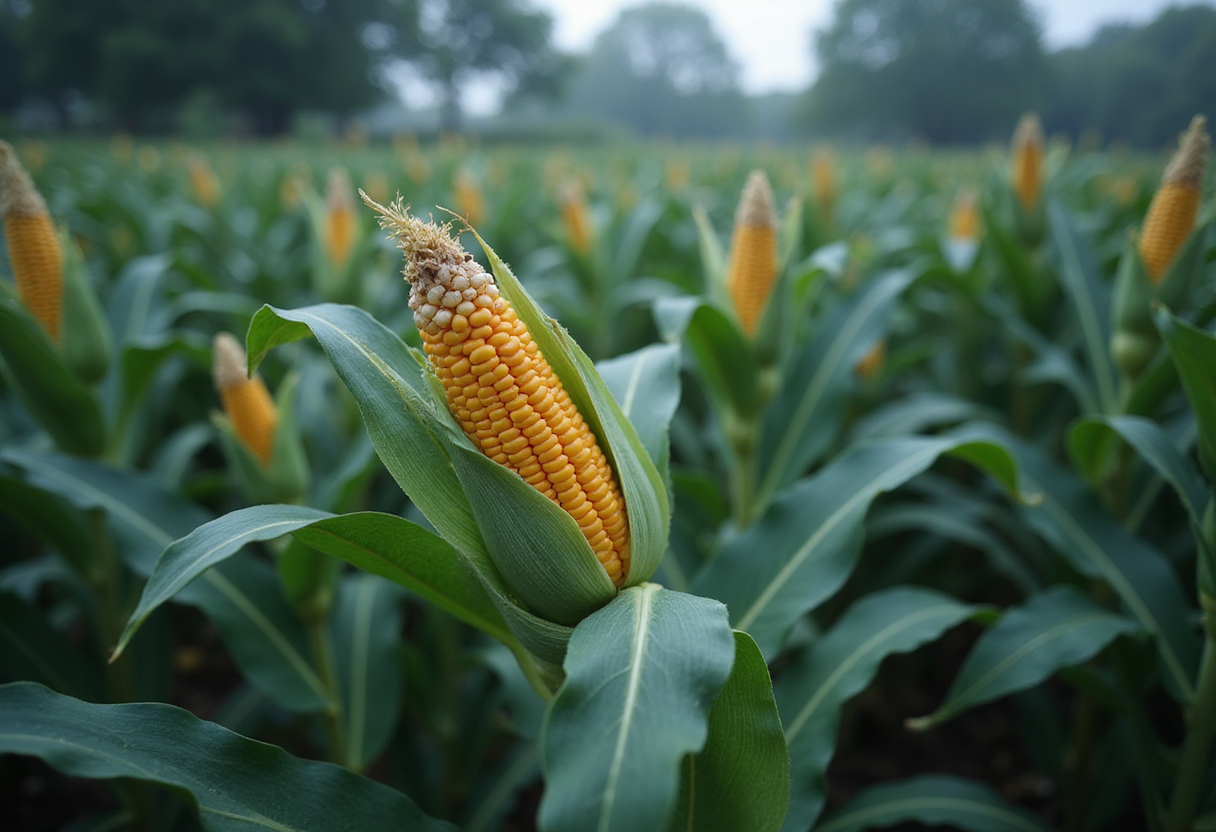
The central question now facing grain markets is straightforward: will supply concerns finally translate into higher corn, soybean and wheat prices? Farm Progress posed that question this week in a market outlook piece, and the framing alone signals how analysts are repositioning heading into the next reporting cycle.
The supplied source material contains only the headline of the Farm Progress article; the full text did not transfer into this feed. That limits what can be verified here about the specific price levels, acreage estimates or balance-sheet figures the author cites. Rather than extrapolate numbers that cannot be checked against the original reporting, this wire note confines itself to what the headline establishes and what traders and growers should watch as the underlying analysis circulates.
What the headline does confirm is that supply-side risk is once again the dominant variable in price discovery for the three major U.S. row crops and wheat. That marks a shift in emphasis. For much of the recent marketing period, demand destruction, export competition and macro pressure have weighed on futures, keeping corn, soybean and wheat contracts range-bound even as producers faced elevated input costs for seed, fertilizer, crop protection and machinery.
For growers, the stakes are direct. Cash corn, bean and wheat prices at country elevators determine whether projected margins clear the cost of production after a season in which nitrogen, phosphate and herbicide expenditures have stayed well above pre-2020 baselines. Any supply-driven rally would improve basis opportunities and give farmers who held old-crop inventory a pricing window ahead of harvest pressure.
The key question for readers is which supply concern the Farm Progress analysis identifies as the potential trigger. Candidates that typically drive such arguments include adverse weather during critical pollination and filling windows, drought conditions across key producing regions, lower-than-expected planted acreage, or acreage and production losses among major competing exporters. Each carries a different probability weighting and a different price implication. A domestic yield shortfall, for example, tends to move corn futures harder than soybeans because of corn's tighter demand elasticity, while wheat markets respond faster to Black Sea and European crop news than to U.S. condition scores alone.
Traders will also want to separate condition reports from harvested results, as always. Crop ratings and subjective field observations move markets in July and August, but only threshed bushels and official production estimates from USDA's National Agricultural Statistics Service settle the argument. The next World Agricultural Supply and Demand Estimates release and the subsequent Crop Production reports will provide the survey-based numbers against which the supply-concern thesis must be tested.
Analysts will also be watching export sales data and quarterly stocks figures. If the supply-concern case rests on tighter ending stocks rather than a current-season production loss, the market reaction would likely build more gradually, with basis firming at processors and elevators before futures make a sustained move higher.
Producers holding unpriced grain face the classic asymmetry: a supply scare offers a selling opportunity, but waiting for a rally that fails to materialize exposes stored bushels to downside risk once harvest results confirm adequate supplies. Marketing plans that layer incremental sales against rally targets, rather than betting on a single price spike, remain the standard defensive posture.
The Farm Progress piece, titled "Will supply concerns trigger higher corn, bean and wheat prices?", frames the debate but the headline alone does not answer it. The direction of corn, soybean and wheat markets into the next reporting window will hinge on the weather data, condition scores and USDA survey results that follow, and growers will be weighing those numbers against input costs that leave little margin for a bearish surprise.
via Google News: Grain prices (Source)
More from Grace Kim
Show full bio
Correspondent covering industry trends and analytics at Agribusiness Wire.
159 articles
Also in the yard
- Grain Prices Sit at a Crossroads as Markets Weigh Supply Signals
- Global Supply Concerns Build Case for Bullish 2027 Grain Markets
- Grain Rally Lifts U.S. Farm Outlook, But Input Costs Keep Squeeze On
- Inflation Squeeze Adds New Downside Risk to U.S. Grain Prices
- Corn or Soybeans? Farm Progress Calls It a Coin Flip