Lot No. LOT-9798 · offered September 29, 2026
Trade & ExportsLot sheet
Ukraine Eyes Baltic Ports for Grain Exports, Mirroring Russian Route
Ukraine is exploring Baltic ports as a grain export outlet, mirroring Russia's sanctions-era routing and threatening to redraw freight, basis and margins across Eastern Europe.
Market notes
- Ukraine is looking to Baltic ports as an export outlet for grain, mirroring the routing Russia adopted under sanctions pressure.
- A Baltic route would add overland freight cost through Poland or the Baltic states, pressuring exporter margins and Ukrainian farmgate basis.
- Expanded transit volumes risk reviving EU farmer protests over Ukrainian grain moving through member-state markets.
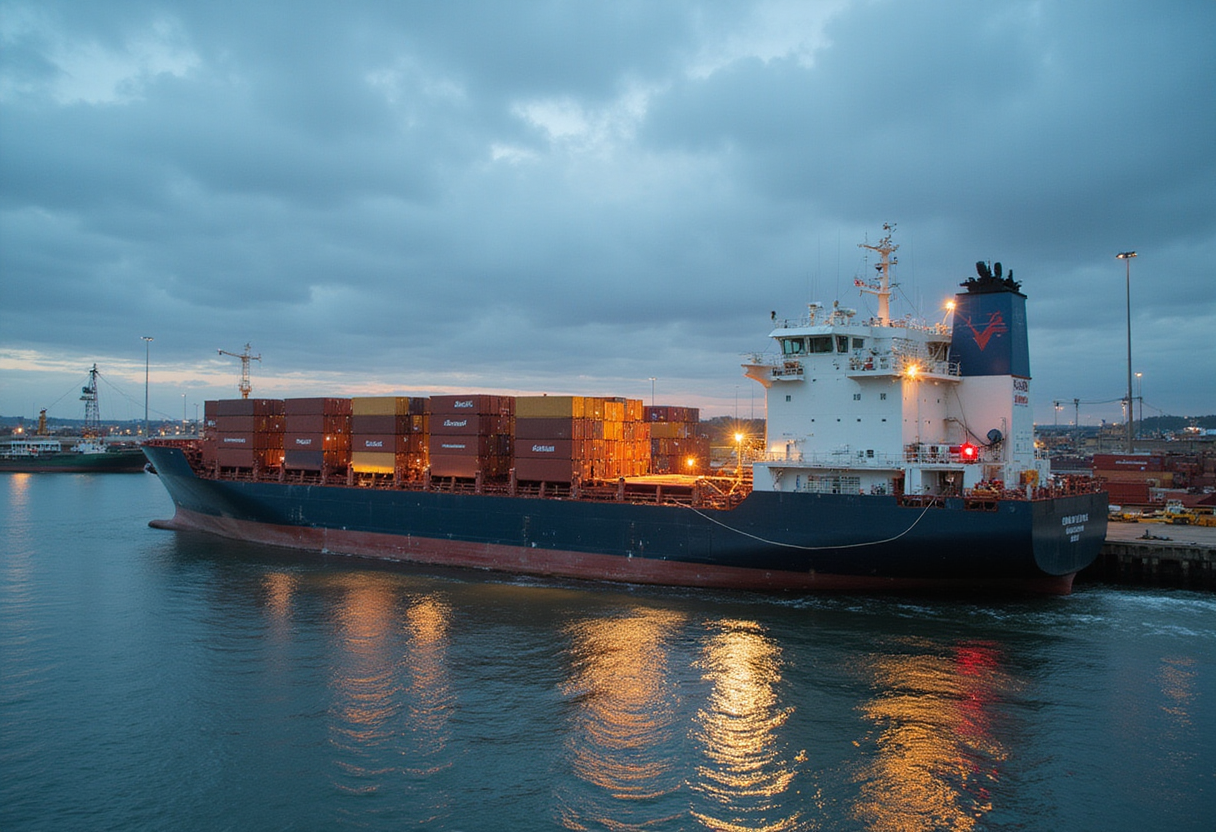
Ukraine is looking to Baltic ports as an outlet for its grain exports, pursuing a logistics shift that parallels the export routing Russia adopted as its own Black Sea trade came under pressure. The Western Producer first reported the development, which signals a further restructuring of European grain flows since Russia's full-scale invasion of Ukraine in 2022 disrupted established shipping lanes.
For Ukrainian growers and grain traders, the calculation is straightforward: export capacity determines basis, and basis determines farmgate margins. When Black Sea corridors tighten — whether through port closures, insurance spikes, or attacks on shipping and port infrastructure — exporters push volumes onto rail and road toward European Union terminals, lengthening the supply chain and raising per-tonne freight costs. A Baltic routing would extend that overland leg further still, through Poland or the Baltic states, before grain reaches deep-water ports for ocean shipment.
Russia followed a similar playbook after Western sanctions hit its own export logistics. Russian grain traders redirected cargoes toward Baltic terminals, investing in port capacity and rail corridors to keep volumes moving outside traditional Black Sea gateways. Ukraine's interest in the same route suggests both Black Sea producers now compete not only on price and quality but on access to northern European export infrastructure.
For input makers and handlers along the corridor, the shift carries commercial stakes. Baltic and Polish port operators, rail operators, and grain terminal companies stand to gain throughput if Ukrainian volumes materialize, while Danube and western Ukrainian border crossings — which absorbed record volumes during the worst of the Black Sea disruption — could see traffic rebalance. Romanian ports such as Constanța, which handled substantial Ukrainian transit grain, would face new competition for those tonnages.
Polish and Baltic farmer groups have previously protested Ukrainian grain transiting their markets, arguing that local backlogs depressed domestic prices and squeezed their own margins. Any expansion of Baltic-bound transit volumes will likely revive those political frictions within the EU, forcing Brussels to balance solidarity export corridors against producer complaints in member states along the route. How Kyiv and its EU neighbours structure the transit — sealed convoys, port handling agreements, or tariff arrangements — will shape whether the corridor adds net export capacity or simply relocates bottlenecks.
The economics remain the decisive test. Ukraine built its pre-war export dominance on cheap Black Sea freight; overland routes to the Baltic cost materially more per tonne, and that differential comes out of either exporter margins or the prices offered to Ukrainian farmers. Traders will route through the Baltic only when Black Sea capacity is unavailable or insurable only at prohibitive cost, or when the added freight is offset by better net returns at northern terminals.
Reporting windows matter here. Any Baltic export figures that emerge should be checked against actual vessel loadings and rail dispatch data rather than announced capacity plans, and Ukrainian harvest results should be distinguished from shipment forecasts. Port throughput announcements and harvest condition reports answer different questions, and conflating them distorts the picture of how much grain is actually moving.
The move also marks a structural change in how the world's major grain exporters reach the market. Two of the largest Black Sea producers now route meaningful volumes through the same northern European gateway region, concentrating demand for rail cars, port slots, and vessel space in a corridor that was a secondary route before 2022. Input costs, freight rates, and basis across Central and Eastern Europe will reflect that concentration.
Ukraine's next steps — negotiating transit terms with Poland and the Baltic states, securing terminal capacity, and demonstrating that grain actually loads at Baltic ports — will determine whether this becomes a durable export artery or a contingency plan held in reserve for the next Black Sea disruption.
via Google News: Grain prices (Source)
More from Nathan Brooks
Show full bio
Staff writer covering marketplaces and e-commerce at Agribusiness Wire.
173 articles
Also in the yard
- Russian Grain Flows Shift to Baltic Ports, Wheat Markets Face New Risks
- Baltic, Caspian Routes Offset Only 25% of Russia's Black Sea Grain Losses
- Ukraine Could Move Up to 20 Million Tons of Grain via Baltic Ports
- Russia Hits Second Civilian Ship in Six Days in Black Sea
- Black Sea Escalation Pushes Global Grain Prices Higher