Lot No. LOT-8878 · offered September 29, 2026
Trade & ExportsLot sheet
Russia Hits Second Civilian Ship in Six Days in Black Sea
Russia struck a second civilian ship in the Black Sea in six days, killing both captains, in attacks on the corridor carrying 90 percent of Ukraine's farm exports.
Market notes
- Russia struck a second civilian ship in the Black Sea within six days
- Both captains were killed in the two attacks
- The targeted corridor carries 90 percent of Ukraine's agricultural exports
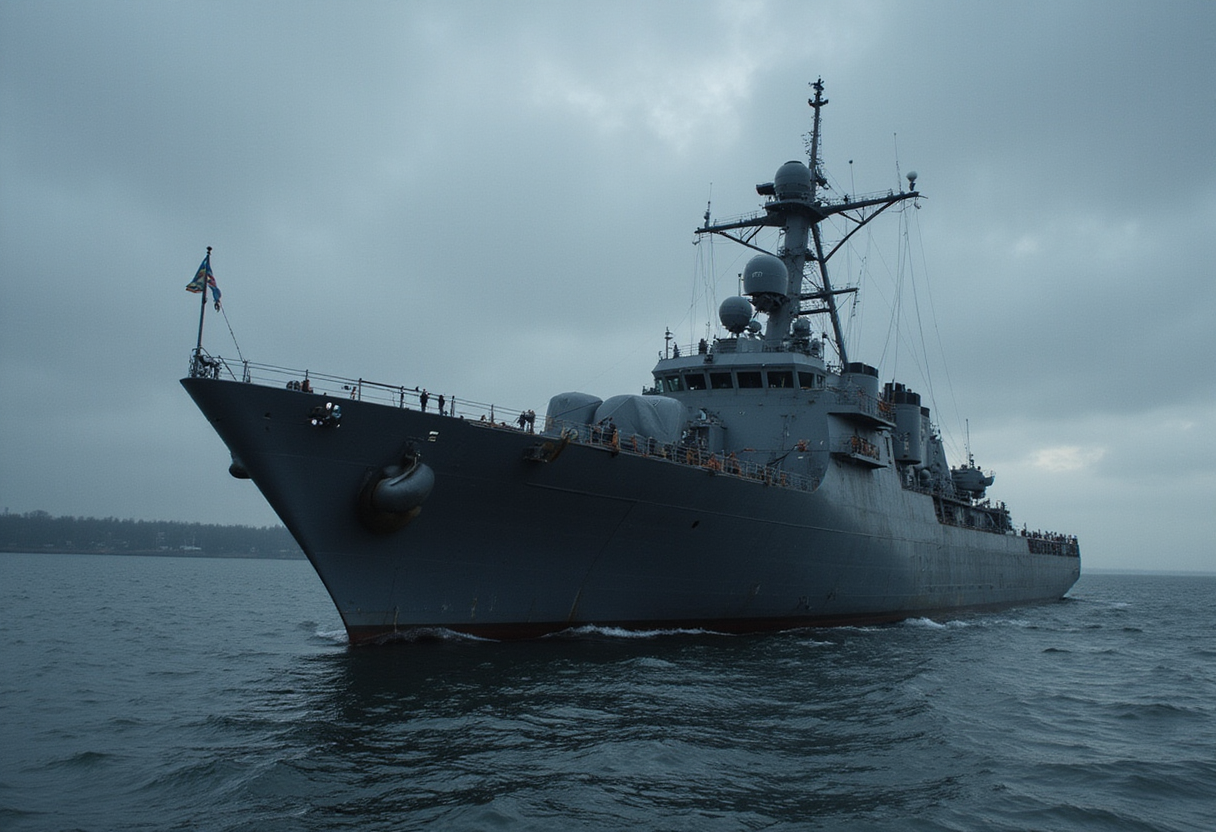
Russia has struck a second civilian ship in the Black Sea within six days, killing the vessel's captain and effectively decapitating the crews of both attacked merchantmen in a single week. The strikes hit the maritime corridor that carries 90 percent of Ukraine's agricultural exports, a trade artery that underpins global grain and oilseed supply.
The loss of two captains in two attacks in under a week marks an escalation in the pressure campaign against commercial shipping. The corridor under attack is not a marginal route: it handles nine of every ten tonnes of Ukrainian farm products leaving the country. Any sustained disruption to this corridor directly tightens export availability from one of the world's largest suppliers of wheat, corn, sunflower oil and barley.
For growers and traders, the stakes are straightforward. Ukraine's farm economy depends on sea freight through the Black Sea, and attacks on civilian crews raise the risk premium on chartering, insurance and freight rates for the route. Higher delivered costs compress the prices traders can bid at Ukrainian ports, pressuring farmgate margins even when global benchmark prices hold firm. Basis at Black Sea terminals becomes more volatile with each incident, and the killing of senior crew members signals a deliberate effort to deter seafarers from signing onto Black Sea voyages at all.
The targeting pattern also matters for importers. Buyers in North Africa, the Middle East and Asia who rely on Ukrainian origin face renewed uncertainty over shipment reliability. Two strikes in six days — each fatal to the captain — is a rate of interference that markets cannot price as random.
The attacks come as Ukraine's agricultural export complex continues to operate almost entirely through the Black Sea corridor, a concentration that has been its logistical strength and now functions as a strategic vulnerability. Ninety percent dependence on a single waterway means no meaningful rerouting alternative exists at comparable scale; overland and Danube channels can absorb only a fraction of the volumes.
The implications for the coming season are direct. If attacks on civilian shipping continue at this tempo, export pace will depend less on harvest size and more on crew availability and insurer tolerance. Ukrainian farmers, cooperatives and port operators have already absorbed two years of logistics shocks, and each new strike shifts risk further down the chain to the farmgate. Watch whether insurers and shipowners adjust terms for the corridor in the days ahead — that decision, more than any condition report, will set the export ceiling for Ukraine's next marketing months.
via Google News: Agricultural trade (Source)
More from Olivia Hart
Show full bio
News editor covering media and advertising at Agribusiness Wire.
137 articles
Also in the yard
- Ukraine Sees No Black Sea Ceasefire, Grain Trade Risks Grow
- Global Grain Prices Climb as Black Sea Conflict Escalates
- Ukraine Eyes Baltic Ports for Grain Exports, Mirroring Russian Route
- Black Sea Escalation Pushes Global Grain Prices Higher
- Russia Could Restore 80% of Black Sea Grain Exports If Attacks Halt