Lot No. LOT-7655 · offered September 29, 2026
Trade & ExportsLot sheet
Turkey Pursues Black Sea Shipping Deal as Attacks Threaten Grain Trade
Turkey is negotiating a Black Sea shipping agreement as attacks endanger grain exports, with Ankara leveraging its control of the straits to broker a new corridor framework.
Market notes
- Turkey is seeking a shipping agreement for the Black Sea as attacks threaten the regional grain trade, RFI reports.
- Ankara controls the Bosphorus and Dardanelles under the 1936 Montreux Convention, the only maritime exit for Black Sea grain.
- A new deal would follow the collapsed UN-Turkey-brokered Black Sea Grain Initiative, which Russia exited in July 2023.
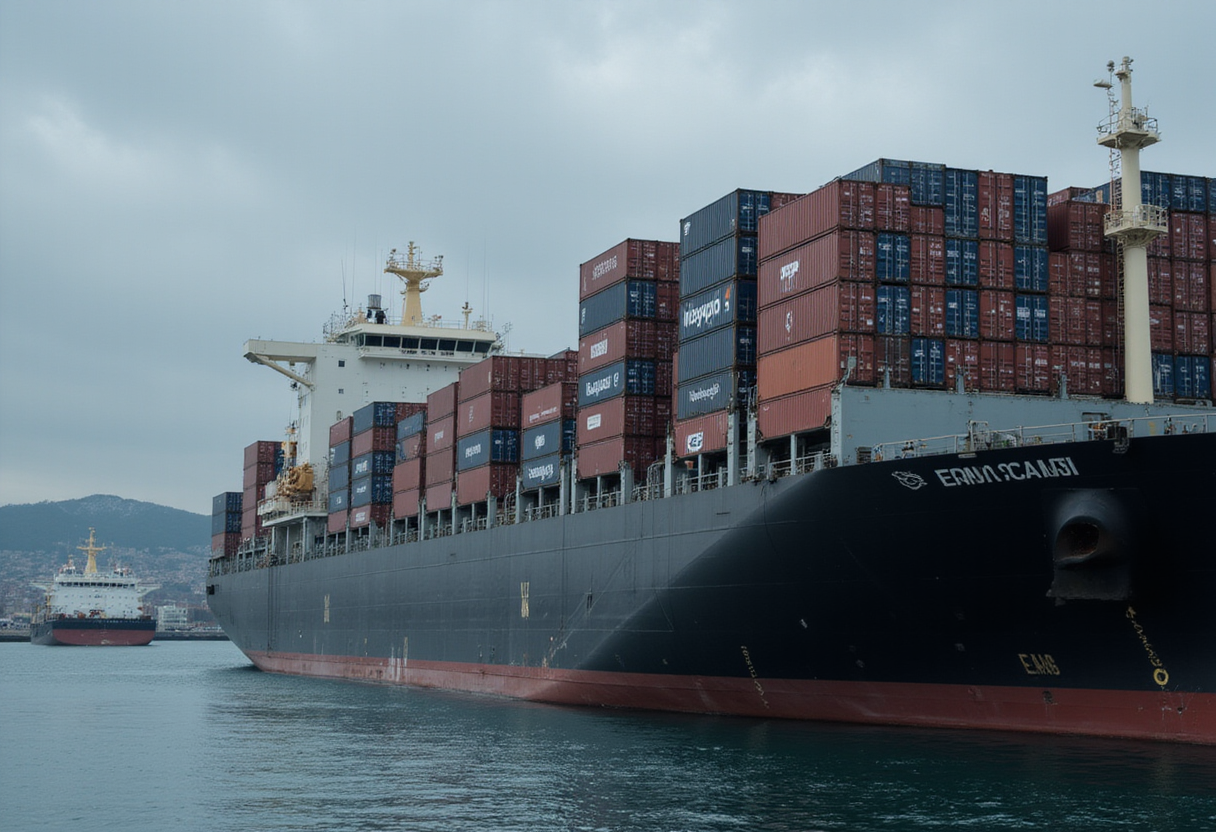
Turkey is seeking a shipping agreement covering the Black Sea as attacks threaten to disrupt one of the world's most important grain trade corridors, according to a report from RFI.
The initiative places Ankara at the center of an escalating effort to keep bulk cargo moving through a waterway that handles a substantial share of global wheat, maize, barley and sunflower exports. Russia and Ukraine — the two littoral states that dominate Black Sea agricultural shipments — have together historically accounted for roughly a quarter of world wheat exports, and any interruption to shipping lanes in the region ripples directly into landed prices for importers across North Africa, the Middle East and Asia.
For growers and grain handlers in the basin, the stakes are measured in basis levels, demurrage costs and insurance premia. When security incidents occur near shipping lanes or port infrastructure, war-risk cover for vessels transiting the region tightens, freight rates climb, and exporters discount offers to reflect the added cost of moving cargo. Turkish negotiators now aim to construct a framework that reduces that risk premium before it erodes the competitiveness of Black Sea origin grain against rival suppliers in the European Union, Argentina and Australia.
Turkey's position gives it unusual leverage. The country controls the Bosphorus and Dardanelles straits under the 1936 Montreux Convention, the sole maritime route linking Black Sea ports to world markets. Every grain vessel leaving Ukrainian, Russian, Romanian or Bulgarian ports passes through Turkish-controlled waters. That geography has made Ankara a recurring broker in Black Sea logistics — most prominently during the UN- and Turkey-brokered Black Sea Grain Initiative, which ran from July 2022 until Russia withdrew in July 2023.
Since that deal collapsed, Ukraine has operated a unilateral humanitarian corridor hugging the coast, while Russian exports have continued from Black Sea terminals. Renewed attacks on shipping and port assets now threaten both flows, prompting Turkey's push for a new arrangement that would establish protections for commercial vessels regardless of flag or cargo origin.
The timing matters for the trade calendar. Black Sea shipments peak in the months following the region's summer harvest, when wheat and maize move in the largest volumes. Any deal that stabilizes transits during this window would let exporters price forward with more confidence, and would give import-dependent buyers — including Egypt, Turkey itself and a string of African and Asian customers — greater assurance of supply continuity.
For farmers in the region, the difference between an open and a restricted corridor translates directly into farmgate returns. When ports function normally, inland basis strengthens and growers capture more of the world price. When attacks force closures or slower inspections, grain piles up in country elevators, storage costs mount, and basis weakens just as harvest pressure hits the market. Input suppliers feel the effect too: exporters with compressed cash flow trim purchases of fertilizer and crop protection products for the following season.
The exact contours of the agreement Turkey is pursuing — which parties would sign it, what guarantees it would provide, and how it would be monitored — remain the subject of negotiation. Any arrangement would need buy-in from the warring parties to be effective, a threshold previous ceasefire-style shipping deals have struggled to clear.
Turkey has not released a timetable for concluding talks, and it remains unclear whether the initiative can gain traction while military strikes on maritime targets continue. Traders, insurers and grain companies operating in the region will be watching Ankara's next diplomatic moves closely, knowing that a signed framework — or the failure to reach one — will shape freight costs, basis and supply security across the Black Sea grain trade in the months ahead.
via Google News: Grain prices (Source)
More from Nathan Brooks
Show full bio
Staff writer covering marketplaces and e-commerce at Agribusiness Wire.
173 articles
Also in the yard
- Black Sea Wheat Flows to Asia Nearly Halted as Prices Hit 3.5-Year High
- Global Grain Prices Climb as Black Sea Conflict Escalates
- Russian Grain Flows Shift to Baltic Ports, Wheat Markets Face New Risks
- Black Sea Escalation Pushes Global Grain Prices Higher
- Ukraine Eyes Baltic Ports for Grain Exports, Mirroring Russian Route