Lot No. LOT-2742 · offered November 12, 2026
Crop EconomicsLot sheet
Sprouted Grain Can Still Feed Cattle, SDSU Specialist Says
Sprouted corn and milo appeared in the region this year. SDSU Extension's Warren Rusche says limited trials show no feeding difference, but lab mycotoxin tests and drier storage are essential.
Market notes
- Limited research trials show no feeding difference between sprouted small grains or milo and normal grain, per Warren Rusche of SDSU Extension.
- Ethanol plants may reject sprouted grain, making livestock feeding the fallback market.
- Rusche advises drying corn to about 14% moisture, down from the usual 15%, with added heat to stop sprouting.
- Dairy cattle are the most sensitive to mycotoxins because toxins concentrate in milk; finishing cattle and lambs are most tolerant.
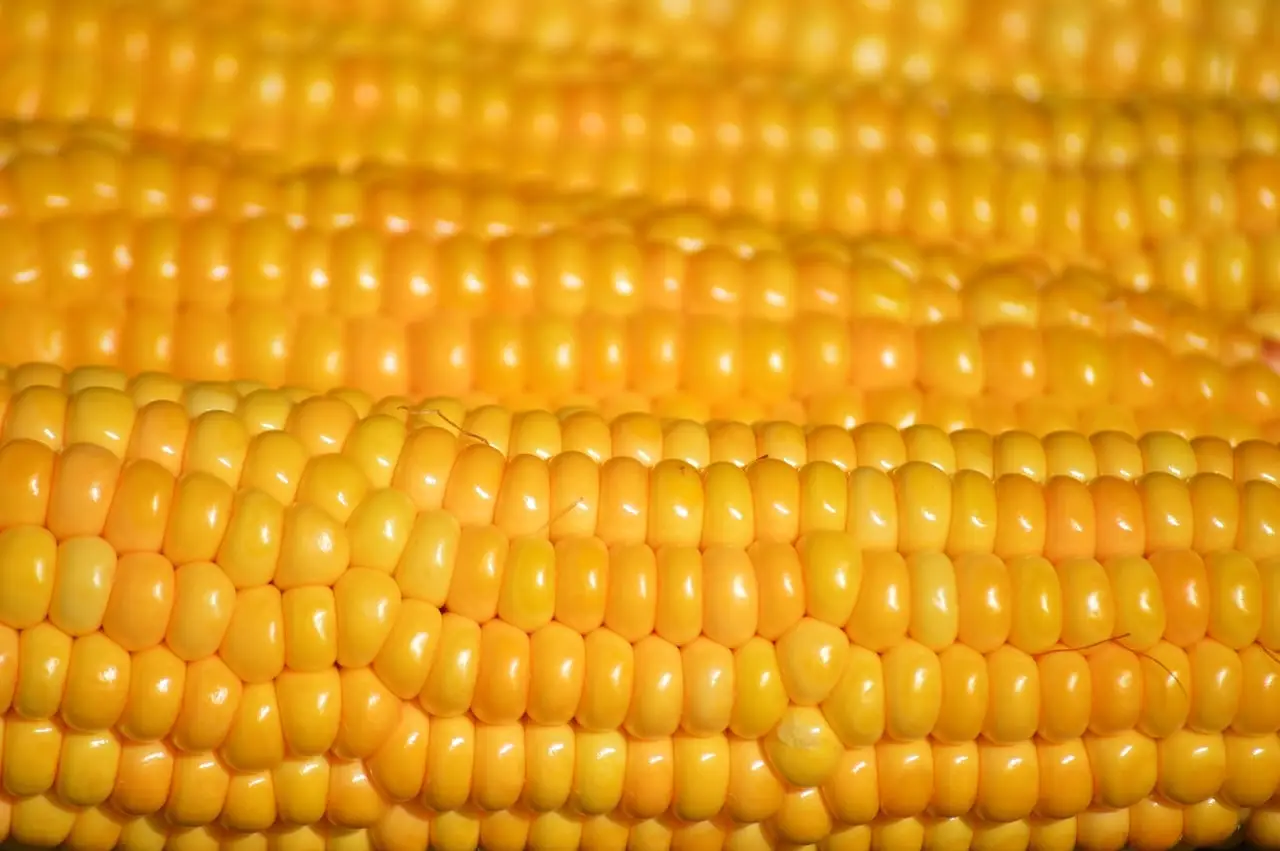
Sprouted corn, milo and small grains hit parts of the upper Great Plains this year, and growers can still salvage those crops through livestock feeding rather than taking a total loss, according to Warren Rusche, SDSU Extension feedlot management specialist in Brookings, S.D.
Research on the question is thin, but what exists points one direction. "There's not a huge amount of research trials done on this; as you could imagine, it's not something that happens often. But what they have found has been no difference, really, between, like, sprouted small grains or sprouted milo and normal grain," Rusche said.
He assumes that if all other quality factors in the grain check out, producers can feed it without ill effects to livestock. That matters commercially, because some end markets will not take the crop at all. Ethanol plants may reject sprouted grain, so feeding it on-farm becomes the next best outlet, Rusche said.
Why this year is different?
Sprouting is not common in the upper Great Plains. The condition usually accompanies warm and wet weather, and it appears more often in small grains than in corn or milo. "But the corn deal this year, that's new and that raises a lot of concerns. People get really concerned about things like mold and mycotoxin when we see that," Rusche said.
Mold and mycotoxin contamination drives most of the risk. It can cut feed intake and trigger poor performance and health problems in livestock. The only reliable check is a lab test on a feed sample, which producers must submit before feeding suspect grain.
"You know, to some extent, those words end up scaring people more than maybe they ought to, but that doesn't mean we need to ignore it. We do need to make sure we've got, especially if this is going to dairy cattle, that we don't have issues with mycotoxin levels," Rusche said.
Which animals can take it?
Not all livestock classes carry the same exposure. Rusche ranked the risk:
- Growing and finishing cattle or lambs: the easiest fit, because they are the most tolerant of mold and mycotoxins.
- Pregnant livestock: feed with more caution.
- Dairy cattle: the most sensitive category, because toxins concentrate in milk and can make it unsellable.
If lab results show no mycotoxin contamination, producers do not need to worry, Rusche said.
What about drying and storage?
Storage discipline decides whether sprouted grain stays usable. Rusche urged producers to dry the grain below their normal targets. "This is probably not the time to be skirting the edge in terms of moisture content going into dry storage. So, if we normally put, say, corn in at 15%, you know, maybe we need to get that down drier just a little bit more, down to 14 or so and also use a fair amount of heat, because we need to be able to stop that sprouting process before it keeps going," he said.
The bottom line for producers holding sprouted bushels: test for mycotoxins, dry a point below standard, and route the grain to finishing cattle or lambs rather than dairy or ethanol markets.
via agweek.com (Source)
More from Grace Kim
Show full bio
Correspondent covering people, launches and day-to-day practice in Agribusiness coverage for industry professionals at Agribusiness Wire.
508 articles
Also in the yard
- Eastern Iowa Corn, Soybean Quality Holding Despite Wet Harvest Worries
- Drier Forecast Offers Southwest Iowa Growers a Harvest Window
- Zeroed-Out North Dakota Corn Against Record Southern Minnesota Yields
- Iowa State Agronomist: Persistent Rain Stalls Harvest, Quality Erodes
- Kansas corn sprouting on the stalk as wet weather stalls harvest