Lot No. LOT-9620 · offered September 30, 2026
Crop EconomicsLot sheet
Iowa State Agronomist: Persistent Rain Stalls Harvest, Quality Erodes
Iowa State extension agronomist Meaghan Anderson says persistent rain has stalled Midwest harvest, with grain quality deteriorating in wet fields and growers catching few field windows.
Market notes
- Iowa State extension agronomist Meaghan Anderson says persistent rain has stalled harvest across Iowa and parts of the Midwest.
- Anderson: "Most people have been totally stalled" as growers catch only brief harvest windows.
- Wet conditions are driving growing crop quality concerns for standing corn and soybeans.
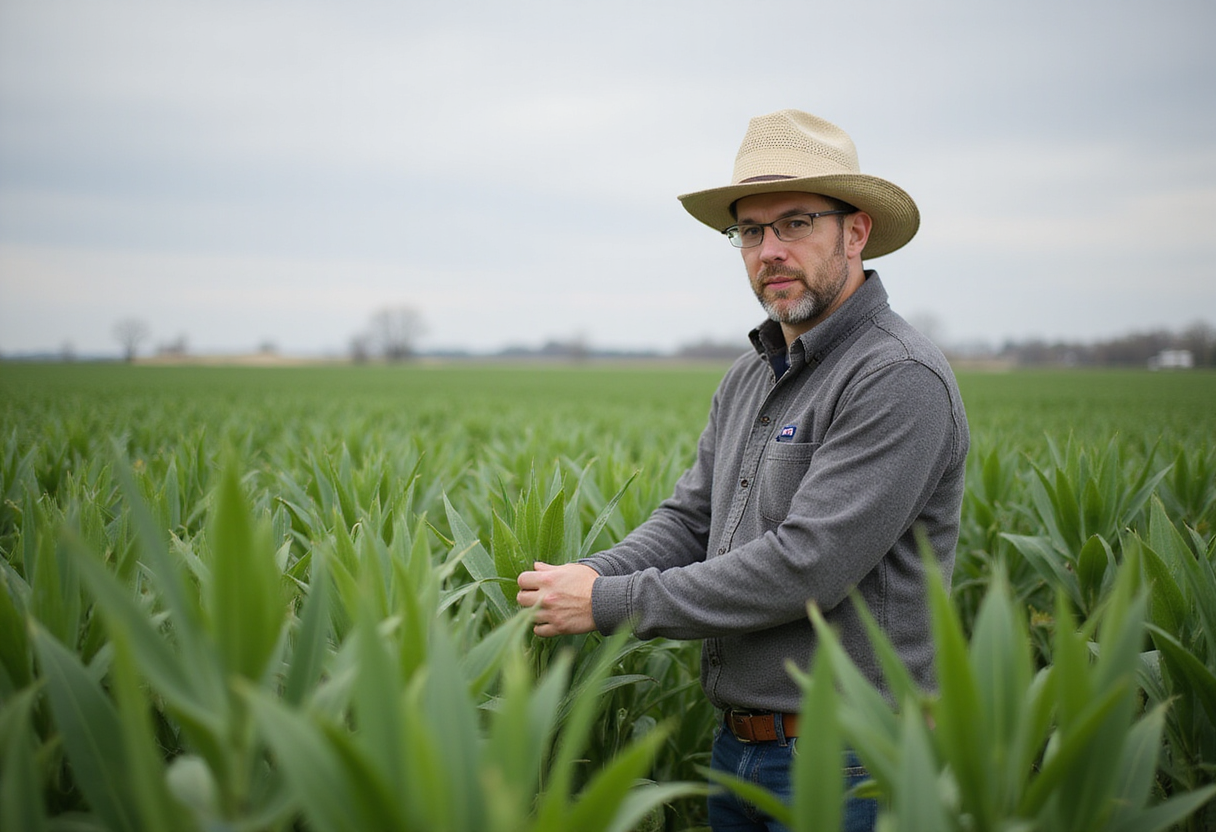
Persistent rainfall has brought much of Iowa's harvest to a standstill, and an Iowa State University extension agronomist says crop quality is slipping as corn and soybeans sit in wet fields.
Meaghan Anderson, the ISU extension field agronomist, described a frustrating start to the season across Iowa and other parts of the Midwest. The rain, she said, simply will not let up.
"Not a lot going on other than catching a few windows here or there," Anderson said. "Most people have been totally stalled."
Those stalled combines are more than an inconvenience. When mature grain stays in the field through extended wet weather, growers face rising risks on two fronts: grain quality deterioration in the bin and yield losses from dropped ears, lodged stalks and shattered pods. Anderson cited growing quality issues as the more immediate concern, a signal that Midwest producers may face heavier drying costs, potential price discounts at the elevator and tougher storage decisions once the crop finally moves.
For farmers, the math compounds quickly. Every day grain stands in saturated fields adds field loss and raises the moisture content that must be dried down — an energy cost that lands directly on margins already squeezed by input prices. Elevators reporting damage discounts, rather than condition reports, will be the data to watch as harvest resumes.
The pattern also complicates the harvest progress picture. Condition reports and maturity estimates collected before the rain offer little guidance on what combines will actually shell once they roll again, and harvested results will likely diverge from earlier forecasts in fields that have taken the most moisture.
Anderson's assessment points to a harvest that will stretch deeper into the calendar, with growers weighing the cost of waiting against the risk of combining in poor conditions. How quickly fields dry out in the coming weeks will determine both the pace of the Iowa harvest and the extent of the quality damage already accumulating in standing crops.
via Brownfield Ag News (Source)
More from Grace Kim
Show full bio
Correspondent covering industry trends and analytics at Agribusiness Wire.
159 articles
Also in the yard
- Iowa Corn Harvest at 5%, Half the Five-Year Average, USDA Says
- Dry Windows Open Corn Belt Harvest; Plains Rains Bring Relief
- USDA Climate Hub Warns Harvest Delays Could Stretch Into Months
- Southwest Indiana Harvest Accelerates as Wet Season Dents 2026 Crop
- Saturated Fields Stall Midwest Harvest as Flood Watch Looms