Lot No. LOT-4598 · offered September 28, 2026
Commodity MarketsLot sheet
Corn Futures Track Food Inflation; Soybeans Break the Pattern
Corn futures have tracked food inflation while soybeans break the pattern, and crude oil pulls on both. Growers now weigh whether this week's USDA reports will move markets at all.
Market notes
- Food prices and corn futures have historically moved together, while soybeans have bucked that trend.
- Crude oil dictates much of the movement across the economy, affecting grain markets and farm input costs.
- This week's USDA reports may prove to be 'much ado about nothing' for grain prices.
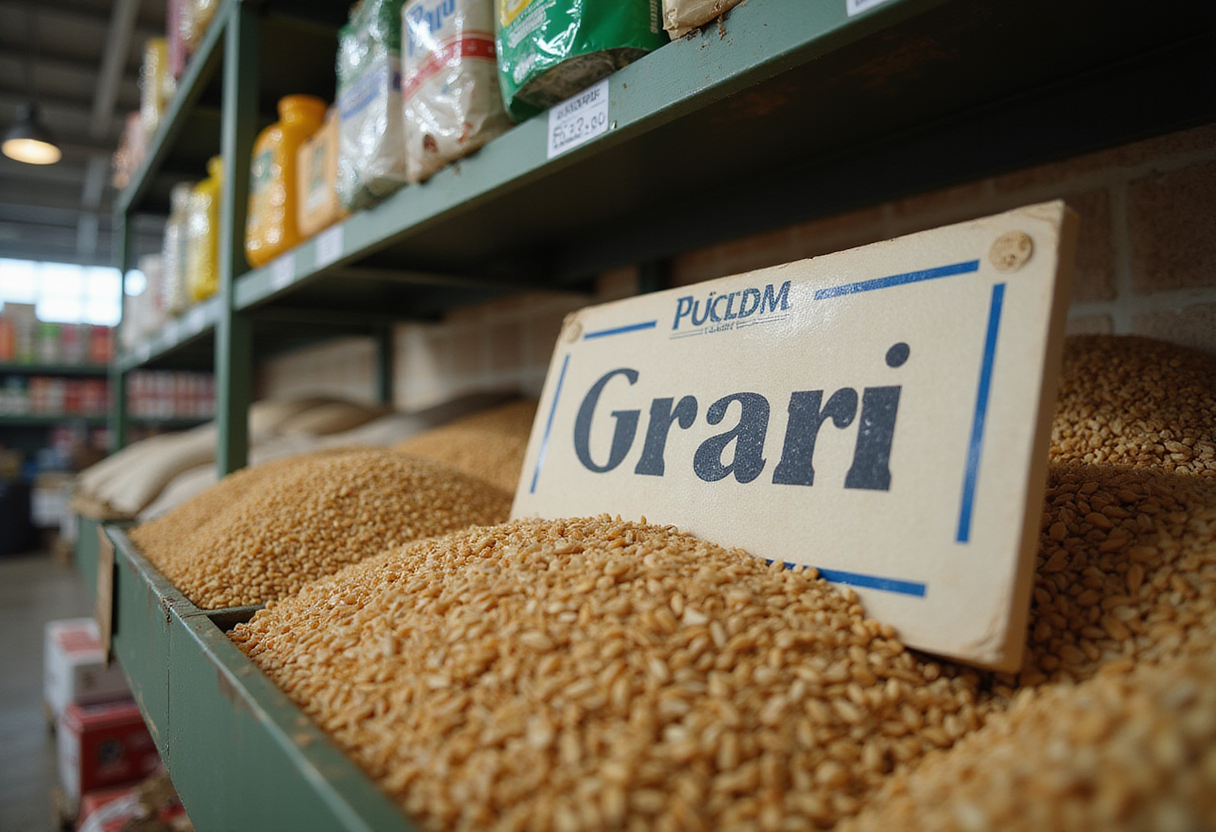
Food prices and corn futures have historically moved together, and that pairing frames the central question for grain marketers this week: will the latest USDA reports move markets, or prove to be much ado about nothing?
The relationship matters for growers planning cash sales. When corn futures follow food price trends, inflation data becomes a usable marketing signal — a proxy for demand strength that producers can monitor alongside basis and carry in their local markets. Soybeans complicate that playbook. The oilseed has historically bucked the correlation that ties corn to broader food inflation, which means soybean growers cannot rely on the same macro indicator when timing sales.
Crude oil sits behind much of the movement across the economy, and by extension across the grain complex. Energy prices feed into nearly everything a farmer pays for — fuel, fertilizer, drying costs, freight — so a crude-driven inflation environment tightens input budgets even when board prices hold steady. That dynamic puts pressure on farm margins from the cost side, regardless of what USDA says about supply.
This week's USDA reports arrive into that setup. The practical question for growers and their advisers is one of degree: whether the data the department releases will introduce new price-setting information, or simply confirm what the trade has already priced in. Traders often treat these reports as potential catalysts, but the outcome depends on whether surveyed production, stocks, or demand figures deviate from expectations built into the futures curve.
For marketers, the analytical discipline is the same one applied to any government number. Condition reports and survey-based forecasts describe intentions and standing crops, not harvested results, and revisions can shift the picture between report windows. Growers who distinguish between those categories of data — and who track how basis responds locally after release — are better positioned than those reacting to headline futures moves alone.
The inflation linkage adds a second layer of caution. If corn futures track food prices, then a broad disinflation trend could cap rallies even where the balance sheet looks constructive. Conversely, soybean producers face a market whose price drivers sit partly outside the food-inflation channel, which argues for independent marketing decisions rather than treating the two crops as one decision.
The week ahead will test whether USDA's numbers carry enough surprise to break correlations that inflation and crude oil have already established. Producers watching the reports should pair whatever the department prints with a hard look at energy markets and input costs, because those forces are currently doing much of the work in setting where grain prices — and farm margins — can go.
via Farm Progress (Source)
More from Olivia Hart
Show full bio
News editor covering media and advertising at Agribusiness Wire.
137 articles
Also in the yard
- Inflation or USDA Reports: What Actually Moves Grain Prices
- Harvest Pressure Drags Corn and Soybean Prices Lower
- USDA Crop Report Looms as Corn and Soybean Traders Brace for Volatility
- Grain Rally Lifts U.S. Farm Outlook, But Input Costs Keep Squeeze On
- Supply Concerns Take Center Stage for Corn, Soybean and Wheat Prices